
Heavy Industry Rail Maintenance: Cost Drivers to Review

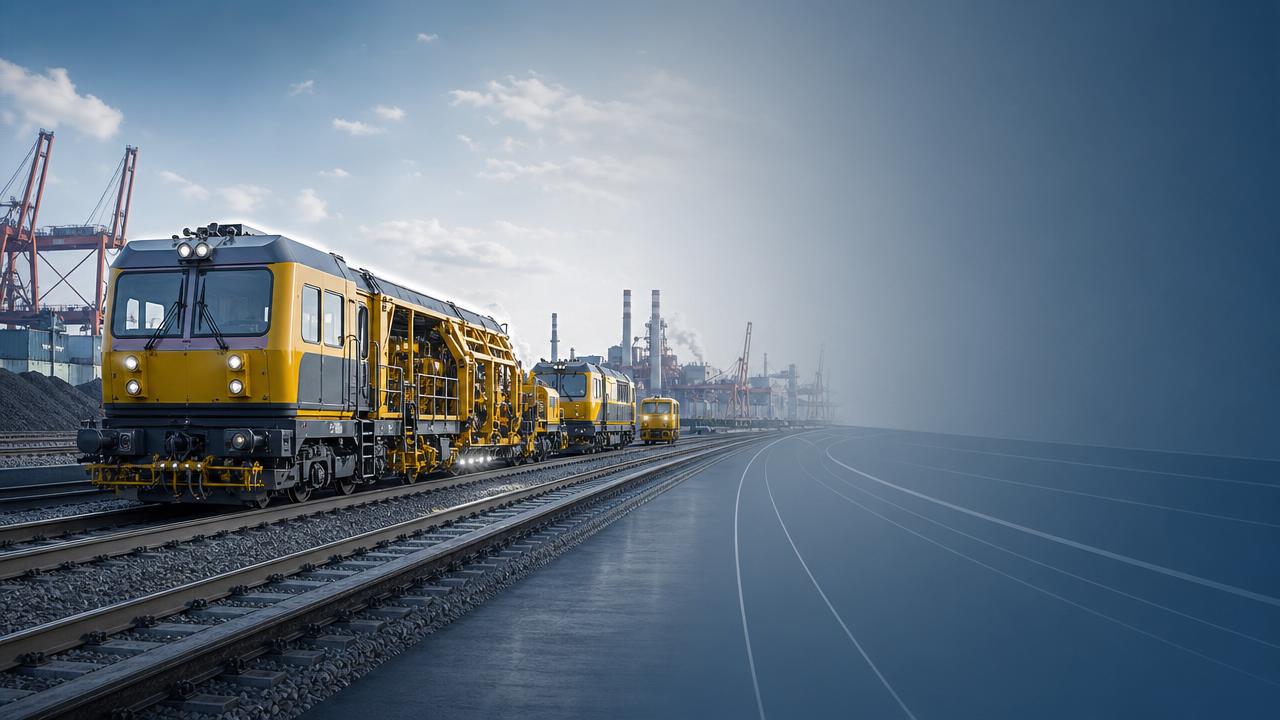
For financial approvers, heavy industry rail maintenance is no longer a routine operating expense—it is a strategic cost-control priority tied to asset uptime, safety compliance, and freight corridor reliability. From rail grinding cycles and sleeper renewal to specialized machinery utilization, labor availability, and regulatory inspection requirements, each cost driver can materially affect annual budgets and long-term capital planning. This review highlights the key factors that finance teams should evaluate before approving maintenance programs, helping align technical necessity with measurable cost efficiency and risk reduction.
In heavy industry freight corridors, a deferred maintenance decision can influence locomotive availability, axle-load performance, signaling reliability, and port-rail handover capacity within 1 budget year.
For G-RFE’s audience of railway authorities, EPC contractors, and infrastructure owners, the finance question is not whether maintenance is necessary, but how to fund it with evidence.
Why Rail Maintenance Costs Escalate in Heavy Industry Networks
Heavy industry rail assets operate under punishing conditions: high axle loads, long train lengths, abrasive dust, thermal stress, and tight freight windows.
A corridor carrying 25-ton to 32.5-ton axle loads needs a different financial model than a passenger route with lighter duty cycles.
Traffic Intensity and Asset Fatigue
The first cost driver is gross tonnage. When annual throughput rises from 20 million to 80 million gross tons, wear accelerates across rail, ballast, sleepers, fasteners, and turnouts.
Finance teams should request maintenance budgets tied to tonnage bands, not only calendar cycles. This prevents underfunding during freight expansion or over-servicing during lower demand.
Operating Windows and Possession Costs
Heavy industry corridors often have limited track possession windows of 3 to 6 hours, especially near ports, mines, steel plants, and intermodal terminals.
Shorter windows increase mobilization costs because tampers, rail grinders, inspection vehicles, and work crews must complete tasks with tighter sequencing and higher standby risk.
Key Budget Signals to Monitor
- Annual gross tonnage increase above 15% without a matching maintenance scope adjustment.
- Track geometry defects recurring within 30 to 60 days after corrective work.
- Turnout renewal deferred beyond the agreed asset condition threshold.
- Specialized machinery utilization below 65%, indicating inefficient scheduling or fragmented procurement.
These signals do not automatically justify higher spending, but they help distinguish controllable inefficiency from unavoidable heavy industry asset stress.
Major Cost Drivers Finance Teams Should Review
A practical approval process separates recurring maintenance, corrective intervention, regulatory compliance, and capital renewal. Each category carries a different cost profile and risk consequence.
The following table outlines common heavy industry rail maintenance drivers and the financial questions that should be raised before approval.
The key conclusion is that heavy industry maintenance approvals should not rely on a single unit rate. They should evaluate lifecycle impact, operational exposure, and avoided disruption.
Rail Grinding and Wheel-Rail Interface
Rail grinding is often viewed as a visible expense, but its financial value appears through longer rail life and reduced fatigue defects.
In heavy industry operations with tight curves or frequent loaded movements, small deviations in profile can increase wheel wear and energy consumption.
Approvers should ask whether the proposed grinding cycle is preventive, corrective, or emergency-driven. Emergency work usually carries higher premiums and weaker scheduling control.
Labor, Skill Availability, and Contractor Structure
Labor costs vary significantly between in-house gangs, specialist contractors, and integrated maintenance providers. A 2-shift model may outperform a cheaper single-shift plan.
Finance should review overtime ratios, certification requirements, travel allowances, and the cost of standby crews during possession windows.
Specialized Machinery Utilization
Heavy industry rail projects depend on grinders, ballast regulators, tamping machines, ultrasonic inspection vehicles, and automated track-laying equipment.
If machinery utilization falls below 60% across a maintenance campaign, mobilization, fuel, operator, and idle-time charges can outweigh planned productivity benefits.
How to Convert Technical Need into a Finance-Ready Business Case
Financial approvers need traceability from engineering condition to budget request. A strong maintenance proposal links defects, standards, operating risk, and measurable cost avoidance.
For heavy industry rail networks, this means moving beyond broad descriptions such as “track renewal required” toward quantified scope, thresholds, and acceptance criteria.
A 5-Step Approval Framework
- Define the asset segment, including route kilometers, axle load, speed class, and traffic density.
- Document inspection evidence, including geometry readings, rail flaws, sleeper condition, and drainage performance.
- Classify work as preventive, corrective, compliance-driven, or capital renewal.
- Compare at least 2 delivery models, such as in-house execution versus bundled contractor service.
- Set acceptance metrics, including defect closure rate, possession adherence, and post-work inspection results.
This 5-step structure gives finance teams a common language with engineering departments, reducing approval delays and improving accountability.
Standards, Compliance, and Auditability
Heavy industry rail maintenance should be reviewed against relevant frameworks such as UIC, EN, AAR, national safety rules, and internal asset policies.
The budget file should include inspection records, contractor method statements, calibration logs, possession plans, and close-out documentation within 7 to 15 working days.
Finance Questions That Reveal Weak Proposals
- Does the cost plan separate labor, machinery, materials, logistics, and contingency?
- Are inspection thresholds stated in measurable terms, such as millimeters, defect category, or tonnage trigger?
- Is the maintenance window aligned with train path availability and terminal operations?
- Does the proposal explain what happens if work is deferred for 6 or 12 months?
These questions are especially valuable when comparing multiple heavy industry contractors whose commercial offers use different billing structures.
Procurement Choices: In-House, Contracted, or Integrated Maintenance
The procurement model has a direct influence on cost transparency, response time, equipment access, and long-term asset knowledge.
Heavy industry operators typically compare 3 models: internal maintenance gangs, specialist task contractors, and integrated multi-year maintenance partnerships.
The table below provides a finance-oriented comparison for approving rail infrastructure and track maintenance strategies.
No model is universally cheapest. The best procurement choice depends on network complexity, traffic volatility, internal capability, and risk tolerance.
Contract Terms That Affect Real Cost
A low headline rate can hide escalation clauses, restrictive possession assumptions, minimum equipment hire periods, and separate reporting fees.
Finance teams should request a cost breakdown across at least 6 categories: labor, plant, materials, fuel, logistics, testing, and contingency.
Risk Allocation and Performance Incentives
For heavy industry rail corridors, contractor incentives should be linked to possession compliance, defect recurrence, safety performance, and verified completion records.
Penalties alone rarely improve outcomes. Balanced contracts use milestone payments, quality hold points, and documented rework obligations.
Risk Controls for Budget Approval and Long-Term Planning
Maintenance underfunding is not a saving if it transfers cost into derailment exposure, emergency procurement, line closures, or regulatory intervention.
A finance-ready heavy industry maintenance plan should include risk controls across safety, operational continuity, and capital forecasting.
Separate Opex, Capex, and Renewal Logic
Routine tamping may sit under operating expense, while turnout replacement or major rail renewal may require capital approval.
Blurring these categories makes year-on-year comparison difficult. It can also cause short-term budget cuts that create 2 to 3 years of compounding defects.
Use Condition-Based Triggers
Condition-based planning is particularly useful in heavy industry because traffic, loading, weather, and commodity cycles change quickly.
A practical plan may combine quarterly track geometry reviews, annual structural assessments, and targeted inspection after flooding, heat events, or abnormal loading incidents.
Recommended Approval Evidence
- Asset register with route section, component age, and last maintenance date.
- Inspection trend data covering at least 3 recent measurement cycles.
- Work package scope with quantities, tolerances, access windows, and acceptance criteria.
- Commercial schedule showing unit rates, exclusions, escalation terms, and contingency assumptions.
- Post-maintenance reporting plan with close-out timing and responsible approvers.
This evidence supports auditability and helps prevent approval debates based only on urgency, personal preference, or incomplete engineering descriptions.
Common Mistakes When Approving Heavy Industry Rail Maintenance
Even experienced finance teams can misread rail maintenance proposals when technical language obscures cost behavior.
The following mistakes are common in heavy industry networks where operational pressure pushes approvals toward speed rather than structured review.
Mistake 1: Comparing Only Unit Prices
A lower price per meter, sleeper, or turnout may not include mobilization, inspection, protection staff, testing, or disposal.
Finance should compare total installed cost and post-work performance, not only the procurement line item.
Mistake 2: Treating Signaling and Track as Separate Risks
Modern freight corridors rely on track condition, signaling integrity, communication systems, and operational control working as one safety chain.
Maintenance work near ETCS, CBTC, GSM-R, axle counters, or level crossing systems may require additional isolation, testing, and commissioning time.
Mistake 3: Deferring Small Defects Until They Become Capital Projects
A drainage issue or ballast fouling problem can look minor in one quarter and become a track formation issue within 12 months.
Approvers should challenge deferral plans that do not quantify safety impact, freight delay risk, or future renewal cost.
Final Guidance for Financial Approvers
Heavy industry rail maintenance is best approved through evidence, not urgency. The strongest budgets connect asset condition, traffic demand, compliance needs, and measurable risk reduction.
Finance teams should look for tonnage-based triggers, clear inspection records, transparent cost breakdowns, and realistic possession plans before releasing funds.
G-RFE supports decision-makers by structuring technical intelligence across rail infrastructure, heavy-haul rolling stock, signaling, intermodal systems, and specialized rail machinery.
For railway authorities, EPC contractors, and asset owners, this creates a more disciplined path from engineering requirement to defensible investment decision.
If your organization is reviewing a heavy industry maintenance program, contact G-RFE to discuss cost drivers, benchmark assumptions, or obtain a tailored evaluation framework.
Industry Briefing
Get the top 5 industry headlines delivered to your inbox every morning.