
Automatic Coupler Wholesale: Common Spec Mismatches to Avoid

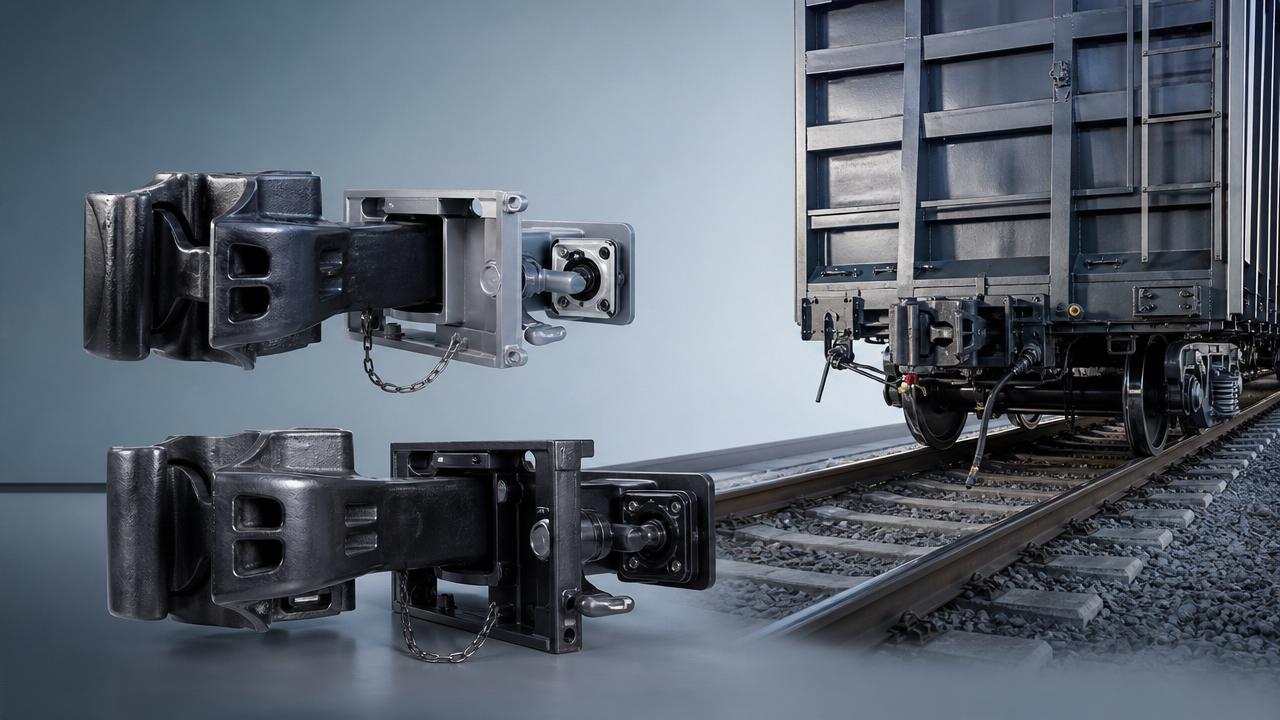
In automatic coupler wholesale, even small spec mismatches can lead to costly installation delays, safety risks, and rejected orders. For distributors, agents, and channel partners serving railway freight markets, understanding compatibility across standards, load ratings, mounting dimensions, and system applications is essential. This guide highlights the most common specification mistakes buyers make and how to avoid them before procurement.
Why automatic coupler wholesale often fails at the specification stage
In railway freight procurement, the coupler is not a generic metal component. It is a load-bearing, safety-critical interface linked to wagon design, draft gear, braking behavior, and corridor operating standards. In automatic coupler wholesale, many channel partners focus first on unit price, stock availability, or nominal model names, but the real commercial risk sits in technical alignment.
A mismatch may not be obvious when reviewing a quotation. The coupler may look correct, fit a broad product category, and still fail when installed on a wagon fleet built around another standard, another mounting arrangement, or another energy absorption requirement. For distributors, that means rework, claims, delayed acceptance, and weakened customer confidence.
This is where a technical intelligence approach matters. G-RFE supports procurement decision-making by connecting rolling stock hardware with wider railway system realities, including international standards, freight corridor conditions, and heavy-haul operating demands. For wholesalers and agents, this reduces the gap between catalog data and field compatibility.
- A coupler mismatch can stop vehicle commissioning even if all other wagon parts arrive on time.
- A nominally similar coupler may differ in knuckle geometry, shank dimensions, mounting centerline, or draft system interface.
- Documentation gaps are common in cross-border procurement, especially where AAR, UIC, EN, and local railway practices intersect.
Which specification mismatches create the biggest risk?
The most expensive problems in automatic coupler wholesale usually come from a short list of recurring errors. Buyers often ask whether the coupler is “standard,” but the better question is whether it is standard for the target fleet, route, load profile, and maintenance regime.
1. Standard system mismatch
One of the most common failures is mixing couplers intended for different system families. A product aligned with AAR practice may not match a fleet built around another geometry or operating assumption. Even when adaptation seems possible, the total system may require changes in yokes, draft gear, follower blocks, or wagon-end structure.
2. Incorrect load and buffing assumptions
Automatic couplers must handle draft loads, compression forces, and operational shock during train assembly, braking, and route transitions. Distributors sometimes approve a coupler based on nominal capacity while ignoring heavy-haul cycles, marshalling impact, or long consist conditions. A coupler acceptable for medium-duty freight may not suit mineral trains, intermodal blocks, or high-tonnage corridors.
3. Mounting and dimensional incompatibility
A frequent issue in automatic coupler wholesale is assuming that head type compatibility guarantees installation compatibility. In practice, shank length, pivot arrangement, coupler height, draft pocket dimensions, and connection interfaces can vary. Small dimensional differences can trigger interference, alignment problems, or unsafe operating angles.
4. Application mismatch by wagon type
Couplers for heavy-haul wagons, tank cars, container flats, and specialized engineering vehicles may operate under very different dynamic conditions. A channel partner that serves multiple regions must verify not only whether the coupler fits, but whether it fits the actual duty cycle, maintenance interval, and network operating speed.
The table below summarizes the most frequent automatic coupler wholesale mismatch categories and the practical consequences for distributors and agents.
For wholesale buyers, the key lesson is simple: the coupler should be evaluated as part of a wagon-end system, not as a standalone spare. This single shift in procurement logic prevents many avoidable failures.
How should distributors verify compatibility before placing an order?
A disciplined pre-order checklist is the most effective control in automatic coupler wholesale. It helps distributors align quotations with engineering reality before production starts. This matters even more in export projects, fleet rehabilitation programs, and EPC-led rail developments, where approval chains are longer and replacement windows are tighter.
Core data to request from the end user or integrator
- Applicable railway standard or operator specification, including whether the fleet follows AAR, UIC, EN, or a localized derivative.
- Wagon type, axle load, train length, and dominant service pattern such as heavy-haul bulk, intermodal, mixed freight, or shunting-intensive operation.
- Required coupler height, pocket dimensions, draft gear interface, and any existing drawing references from the current fleet.
- Environmental factors, including low-temperature service, corrosion exposure, dust, port operations, and maintenance resource constraints.
- Documentation expectations such as material certificates, dimensional records, inspection reports, and test references.
A practical verification workflow
- Confirm the operating standard and target vehicle family.
- Match the coupler head and shank to the mounting and draft system.
- Review load assumptions against real route and train conditions, not only brochure values.
- Cross-check required documents before payment terms are finalized.
- Where possible, verify with drawings, sample inspection, or first-article approval.
G-RFE adds value here by translating technical data into procurement decisions. Because the platform benchmarks heavy-duty rolling stock and related rail systems against UIC, EN, and AAR frameworks, channel partners can reduce ambiguity before entering price negotiation or committing to delivery schedules.
Which parameters deserve the closest attention in automatic coupler wholesale?
Not all line items in a coupler datasheet carry equal decision weight. Some parameters are decisive because they affect fit, safety, and downstream approval. The table below highlights the specification points that most often determine whether an automatic coupler wholesale order will proceed smoothly or become a problem project.
For distributors handling multiple territories, this parameter view supports better quotation discipline. It also helps sales teams avoid vague commitments that later become engineering disputes.
How do standards and compliance affect wholesale decisions?
Standards are not a formality in automatic coupler wholesale. They influence coupler geometry, testing expectations, integration assumptions, and acceptance criteria. In cross-border freight programs, the same project may involve local operator rules, wagon-builder drawings, and reference frameworks derived from UIC, EN, or AAR practice.
For channel partners, the compliance challenge is not just obtaining documents. It is understanding which documents are relevant to the intended installation. A certificate or inspection record has limited value if it does not map to the target specification package or the operator’s engineering baseline.
- Confirm whether the buyer needs conformity to a general industry standard or a project-specific technical requirement.
- Check whether testing expectations cover dimensional verification, material traceability, mechanical performance, or assembly-level inspection.
- Align document submission timing with tender review, production release, and pre-shipment approval milestones.
Because G-RFE operates as a technical intelligence hub across heavy-haul rolling stock, signaling, infrastructure, and intermodal systems, it brings a broader perspective to coupler procurement. That matters when coupler selection must align with fleet modernization, port-rail connectivity, or international corridor interoperability.
What purchasing mistakes increase cost even when the unit price looks attractive?
In automatic coupler wholesale, the cheapest quote can become the most expensive transaction. The visible product cost is only one layer. Hidden costs appear in engineering clarification, replacement freight, installation delay, stock obsolescence, and customer relationship damage.
Common cost traps
- Ordering based on previous project memory without checking whether the current fleet uses the same mounting arrangement.
- Accepting partial technical documentation and assuming missing values can be confirmed later.
- Overbuying a single specification for multiple wagon applications that actually require different duty ratings.
- Ignoring spare strategy, which may leave distributors with non-moving stock if a project changes standard reference.
A smarter cost approach is to compare total project fit, not only piece price. When a coupler integrates correctly, installation time is more predictable, document review is smoother, and after-sales exposure is lower. That is especially important for agents serving public tenders, EPC rail packages, and state-backed freight upgrades.
Application scenarios: where mismatch risk is highest
Mismatch risk in automatic coupler wholesale rises sharply in projects where operating conditions are specialized or asset origins are mixed. Distributors should be especially careful in the following scenarios.
Fleet rehabilitation and wagon life-extension
Legacy wagons often carry undocumented modifications, wear-related dimensional drift, or mixed spare histories. In these cases, catalog-level matching is rarely enough. Field measurement and drawing validation become more important than model naming.
Heavy-haul mineral and bulk corridors
High axle loads, long consists, and frequent draft shock increase demand on the entire coupler and draft system. A mismatch in rating or energy absorption assumptions can lead to accelerated wear and operational restrictions.
Intermodal rail-port systems
Where wagons cycle between inland terminals, ports, and cross-border networks, coupler decisions must reflect both mechanical compatibility and network operating standards. G-RFE’s intermodal and corridor perspective is useful in these mixed-environment decisions.
FAQ: practical questions buyers ask about automatic coupler wholesale
How do I know whether two automatic couplers are interchangeable?
Do not rely on appearance or a broad family description. Check the standard basis, head geometry, shank dimensions, mounting interface, draft gear compatibility, and operating duty. Interchangeability should be confirmed against drawings, operator requirements, and the specific wagon-end arrangement.
What documents should a distributor request before ordering?
At minimum, request the technical datasheet, outline drawing, relevant material or inspection records where required, and any conformity references tied to the project specification. If the buyer serves an EPC or railway authority, ask whether first-article review or pre-shipment inspection is expected.
Is a higher load rating always the safer choice?
Not always. Overspecification can create fit, weight, integration, and cost issues, especially if the surrounding wagon-end system was not designed for that configuration. The right choice is the one that matches the actual duty cycle and system layout.
What is the safest way to reduce risk in automatic coupler wholesale?
Use a pre-quotation checklist, validate drawings before release, and align the coupler with the complete wagon-end system rather than a generic product name. Where the project is cross-border or heavy-haul, technical review before procurement is usually less costly than correction after shipment.
Why work with a technical partner instead of buying only by catalog?
Automatic coupler wholesale is a technical sales process disguised as a parts transaction. Distributors who win consistently in railway freight markets are usually those who can interpret specifications, anticipate approval issues, and guide customers toward workable configurations.
G-RFE brings a stronger decision framework because it sits at the intersection of rolling stock engineering, freight corridor operations, and international standards benchmarking. That means procurement advice is informed not just by product categories, but by how those products perform in real rail systems shaped by heavy-haul demands, intermodal growth, and compliance pressure.
- Support for parameter confirmation before tender or purchase order release.
- Selection guidance based on wagon application, corridor standard, and freight duty.
- Clarification of certification and documentation expectations for project compliance.
- Practical input on delivery timing, sample review, and specification alignment for channel partners.
Contact us for specification review and procurement support
If your team is handling automatic coupler wholesale for freight wagons, rehabilitation projects, or cross-border rail programs, it is worth confirming the technical basis before locking in price and schedule. A short review at the front end can prevent rejected deliveries and expensive redesign later.
You can contact us to discuss coupler parameter confirmation, model selection by wagon type, delivery lead time planning, project-specific documentation needs, sample support, and quotation comparison. If your customer is working under UIC, EN, AAR, or mixed corridor requirements, we can also help structure the compatibility checklist before procurement moves forward.
Industry Briefing
Get the top 5 industry headlines delivered to your inbox every morning.