
How to compare wholesale diesel electric locomotives wisely

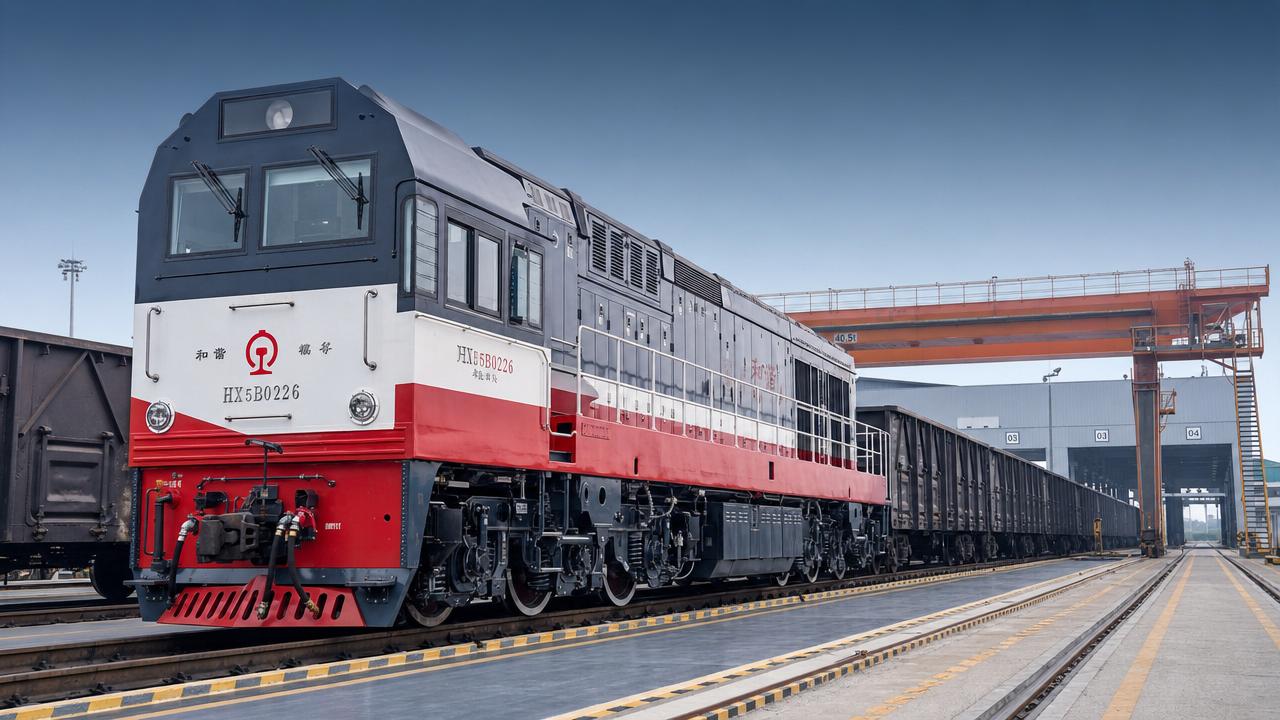
Choosing wholesale diesel electric locomotives is more than comparing price tags. A sound comparison must balance horsepower, tractive effort, axle load, fuel burn, emissions rules, maintenance access, and total lifecycle cost. In rail freight and engineering projects, one weak parameter can damage corridor performance for years. This guide explains how to compare options wisely and turn technical data into a confident bulk buying decision.
Why a checklist matters when comparing wholesale diesel electric locomotives
A checklist reduces the risk of judging locomotives by headline power alone. Two units with similar horsepower may differ sharply in axle load, adhesion control, dynamic braking, and availability rates.
For cross-border freight, mining railways, port connections, and general heavy-haul operations, wholesale diesel electric locomotives must fit local infrastructure, maintenance capability, and regulatory conditions. A structured review also helps compare offers from different builders against the same engineering baseline.
This approach aligns well with data-driven evaluation used across modern railway engineering. It supports clearer technical benchmarking, cleaner supplier negotiations, and more predictable long-term asset performance.
Core checklist for evaluating wholesale diesel electric locomotives wisely
- Define the duty cycle first, including train weight, ruling gradient, climate, route length, average speed, and yard dwell time before reading any locomotive brochure.
- Verify continuous tractive effort, starting tractive effort, and adhesion performance, because freight reliability depends more on usable pulling power than peak horsepower claims.
- Check axle load against track structure, bridge limits, turnout design, and port or industrial branch constraints to avoid infrastructure incompatibility after delivery.
- Compare fuel consumption under real load profiles rather than catalog averages, and request test data for idle control, notch efficiency, and regenerative auxiliaries if available.
- Confirm emissions compliance with local or export corridor rules, such as UIC-aligned, EN-related, or AAR-referenced requirements for noise, exhaust, and safety systems.
- Review engine, alternator, traction motor, and control system pedigree, because proven subsystem families usually reduce commissioning risk and spare parts complexity.
- Inspect braking architecture carefully, including dynamic braking capacity, pneumatic performance, blended control logic, and fail-safe behavior on long descending sections.
- Assess maintainability by checking component access, modular replacement time, diagnostic software, workshop tool needs, and technician training requirements.
- Measure digital compatibility with onboard monitoring, remote diagnostics, event recording, and signaling or communication interfaces required by the operating network.
- Request lifecycle cost models covering purchase price, fuel, lube oil, maintenance intervals, overhauls, downtime exposure, and residual value over the planned service life.
- Examine after-sales support depth, including spare stock location, field service response time, warranty scope, and engineering support for local adaptation.
- Benchmark fleet availability targets and mean time between failures using verified operating references, not only factory estimates or promotional case studies.
How to compare technical specifications beyond brochure claims
A smart review of wholesale diesel electric locomotives starts with power, but never ends there. Continuous output at altitude, ambient heat performance, and low-speed tractive effort usually matter more in freight service.
Look closely at wheel arrangement, bogie design, suspension behavior, and traction control software. These factors influence rail adhesion, wheel wear, and track impact. In difficult corridors, a well-controlled 4,500 hp platform may outperform a poorly matched 6,000 hp unit.
Cooling package design also deserves attention. Dusty mines, humid ports, and desert routes challenge radiator performance, filter life, and electronics stability. Ask for derating curves and operating limits under local conditions.
Quick specification comparison table
Application-specific factors for different operating scenarios
Heavy-haul and mining corridors
In heavy-haul service, compare wholesale diesel electric locomotives by low-speed adhesion, high continuous tractive effort, cooling resilience, and frame durability. Ore, coal, and aggregate routes punish weak designs quickly.
Dynamic braking capacity is critical on loaded downhill segments. Also review dust sealing, filtration, and modular service access because maintenance windows are often short and remote.
Intermodal and port-linked freight
Port and intermodal operations value acceleration, reliability, and integration with terminal schedules. Here, locomotive availability, quick diagnostics, and lower idle fuel use can outweigh maximum power rating.
Route access matters too. Short-radius curves, yard geometry, and mixed traffic zones may limit larger platforms. Check visibility, noise, and local emissions expectations around populated logistics areas.
Cross-border and general freight networks
For multi-jurisdiction routes, compliance documentation becomes central. Signaling interface readiness, onboard recording, radio compatibility, and safety approvals should be verified early, not after contract award.
General freight networks also need flexibility across train lengths and commodity types. A locomotive that performs well across mixed duty cycles can produce better fleet economics than a highly specialized unit.
Commonly overlooked risks when buying wholesale diesel electric locomotives
Ignoring infrastructure limits. A technically strong unit may still fail the route if axle load, clearance, or bridge stress exceeds line capability. Always validate against actual corridor data.
Underestimating support requirements. Some wholesale diesel electric locomotives need proprietary tools, software licenses, or imported subsystems that increase downtime and foreign dependency.
Comparing only acquisition price. A lower upfront quote can hide higher fuel burn, shorter overhaul intervals, or weak warranty terms. Lifecycle cost often changes the ranking completely.
Skipping reference validation. Ask where the same model is working under similar temperature, altitude, and load conditions. Reference fleets reveal more than brochures do.
Accepting vague compliance language. Statements like “designed to meet standards” are not enough. Require formal evidence, test records, and deviation lists tied to your operating rules.
Practical steps to execute a smarter comparison
- Build a weighted scorecard using technical fit, operating cost, compliance, maintainability, and support depth instead of relying on a single commercial ranking.
- Request standardized response sheets so each supplier reports power, fuel, axle load, braking, and service intervals in the same format.
- Run corridor-based simulations with actual gradients, train weights, and climate assumptions to test whether each locomotive can meet timetable and tonnage targets.
- Visit operating references or arrange technical audits to verify workshop realities, spare parts flow, and fleet availability performance.
- Negotiate supply packages that include training, documentation, commissioning support, and critical spare sets for the first operating years.
Conclusion and next action
To compare wholesale diesel electric locomotives wisely, focus on route fit, usable traction, compliance, maintainability, and verified lifecycle cost. The best choice is rarely the cheapest or the most powerful on paper.
Start with a duty-specific checklist, collect standardized technical data, and test every offer against real operating conditions. That process creates stronger freight performance, lower asset risk, and better long-term value across railway and industrial logistics networks.
Industry Briefing
Get the top 5 industry headlines delivered to your inbox every morning.