
Automatic coupler wholesale mistakes buyers still make

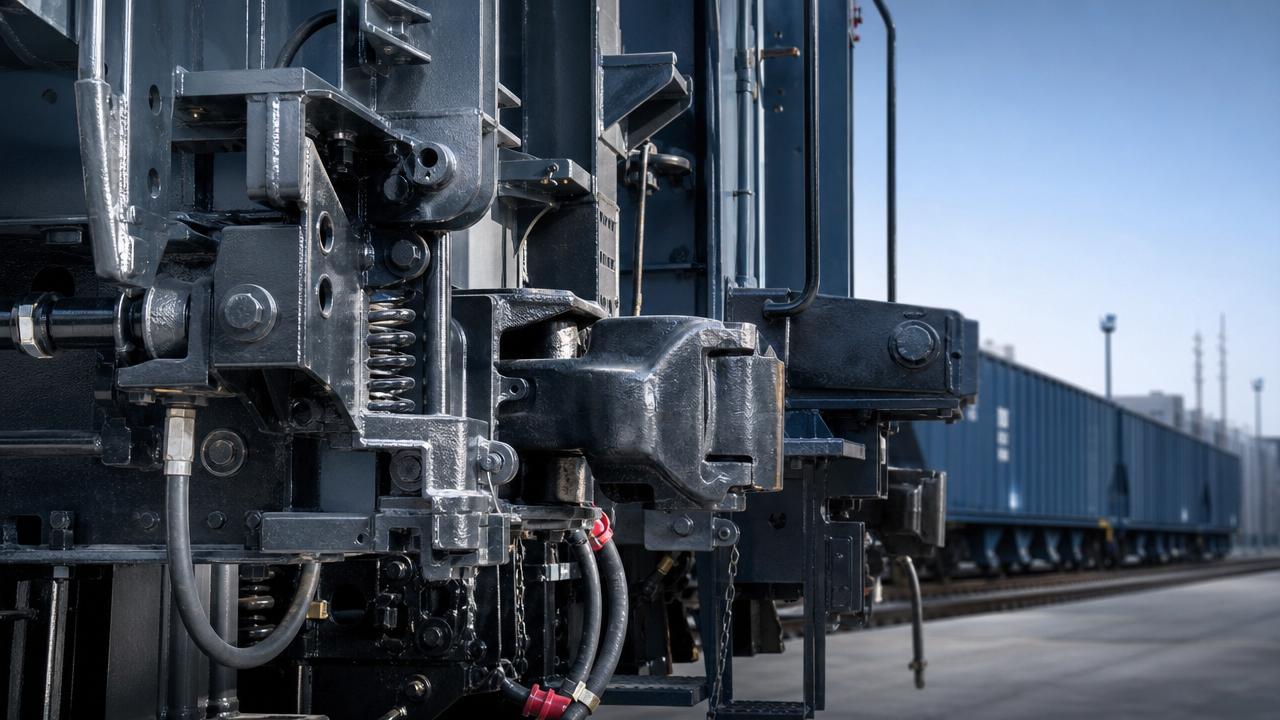
In automatic coupler wholesale, many buying decisions still start and end with unit price. That shortcut looks efficient, but it often creates hidden technical and commercial exposure.
For rail freight programs, a coupler is not just a spare part. It sits at the center of load transfer, train integrity, fleet compatibility, and operating safety.
When automatic coupler wholesale choices ignore certification, dimensional fit, and lifecycle behavior, the result can be delayed deliveries, failed inspections, and expensive retrofit work.
This article explains where buyers still go wrong, which operating scenarios change coupler requirements, and how to make automatic coupler wholesale decisions with stronger technical confidence.
Why scenario judgment matters before any automatic coupler wholesale order
Not every rail project asks the same thing from an automatic coupler. Heavy-haul freight, cross-border wagons, and port shunting environments create very different stresses.
A low-cost part that performs well in light yard movement may fail expectations in long-distance mineral transport. That mismatch is a common automatic coupler wholesale mistake.
G-RFE’s technical perspective is useful here. International railway hardware must align with operational standards, maintenance capability, and corridor-specific safety protocols.
The right question is not only, “What is the price?” It is, “Which operating scenario, technical standard, and service interval will this coupler face?”
Scenario 1: Heavy-haul freight corridors expose weak automatic coupler wholesale choices fast
Heavy-haul trains place extreme longitudinal force on coupler systems. Draft gear interaction, fatigue performance, and material consistency become critical.
One frequent automatic coupler wholesale error is accepting a supplier statement without verified test records. Static strength alone does not prove field durability.
Core judgment points
- Rated load under repeated heavy traction and braking cycles
- Compatibility with wagon body interfaces and draft systems
- Material traceability and heat-treatment consistency
- Maintenance intervals in dusty, high-impact environments
In this scenario, automatic coupler wholesale decisions must prioritize verified fatigue data, not only catalog dimensions or sample appearance.
Scenario 2: Cross-border fleets require compatibility more than aggressive pricing
Cross-border rail freight often involves mixed fleets, mixed maintenance practices, and multiple technical authorities. A coupler mismatch can stop an entire logistics chain.
A common automatic coupler wholesale mistake is assuming nominal compliance equals practical interoperability. Standards references must match actual corridor requirements.
Core judgment points
- AAR, UIC, EN, or local authority alignment
- Mechanical interface tolerances across fleet types
- Documentation completeness for customs and inspections
- Availability of replacement parts in each service region
In automatic coupler wholesale for international projects, incomplete documents can be as damaging as poor metallurgy. Both delay acceptance and erode trust.
Scenario 3: Port, terminal, and shunting operations need different coupler priorities
Intermodal rail-port systems focus on movement frequency, quick turnaround, and repeated coupling cycles. Here, wear behavior and operational reliability matter greatly.
Another automatic coupler wholesale mistake is choosing a design optimized for long-haul loading while ignoring repetitive yard impacts and high cycle counts.
Core judgment points
- Cycle life under frequent coupling and uncoupling
- Ease of inspection and replacement during short windows
- Resistance to corrosion in coastal environments
- Downtime risk linked to small component failure
Automatic coupler wholesale in terminal settings should include wear-part planning, not only complete assembly pricing.
Where buyers still make the biggest automatic coupler wholesale mistakes
The same errors appear across many sourcing cycles. Most are avoidable when technical review starts early.
1. Treating all couplers as interchangeable
Dimensions may look similar, yet interface geometry, lock mechanisms, and energy absorption systems can differ enough to create field failure.
2. Buying from drawings without full operating data
Drawings show shape, not the true service environment. Grade profile, axle load, train length, and impact frequency all affect performance.
3. Ignoring certification depth
A certificate title alone is not enough. Automatic coupler wholesale should verify test scope, issuing body, standard edition, and product traceability.
4. Focusing on unit price instead of total lifecycle cost
A cheaper coupler can create more spare consumption, more maintenance labor, and more train downtime. The lowest quote may become the highest cost.
5. Overlooking after-sales engineering support
Installation guidance, failure analysis, and spare mapping are important. Automatic coupler wholesale works better when supply includes technical response capability.
How different scenarios change automatic coupler wholesale requirements
Practical steps to improve automatic coupler wholesale decisions
A stronger sourcing process does not need to be slow. It needs the right sequence.
- Define the operating scenario before requesting quotations.
- List applicable standards, corridor rules, and fleet interfaces.
- Request test reports, material traceability, and manufacturing controls.
- Compare lifecycle cost, not only ex-works pricing.
- Check spare availability and response time for engineering support.
- Validate sample fitment or pilot use before large-scale release.
This process helps automatic coupler wholesale move from transactional purchasing to controlled technical sourcing.
Often ignored signals that indicate future problems
Some warning signs appear early, but they are often dismissed during commercial negotiation.
- Supplier answers are fast on price but vague on standards.
- Test reports do not match the offered model revision.
- Documentation lacks heat number or batch traceability.
- Recommended spare lists are missing or incomplete.
- There is no clear method for failure feedback and corrective action.
If these issues appear, automatic coupler wholesale risk is already rising, even before shipment begins.
A better next step for automatic coupler wholesale
Effective automatic coupler wholesale starts with a scenario-based checklist. Define the route, load profile, standards framework, and maintenance conditions first.
Then compare suppliers on technical evidence, interoperability, and lifecycle support. This protects delivery schedules and reduces downstream disputes.
In modern rail freight, the coupler is a strategic interface, not a commodity. Better sourcing discipline creates safer operations and stronger long-term project value.
For any automatic coupler wholesale program, the most reliable result comes from aligning product choice with real operating conditions, not just the lowest visible price.
Industry Briefing
Get the top 5 industry headlines delivered to your inbox every morning.