
What next-gen locomotive tech breakthroughs mean in practice

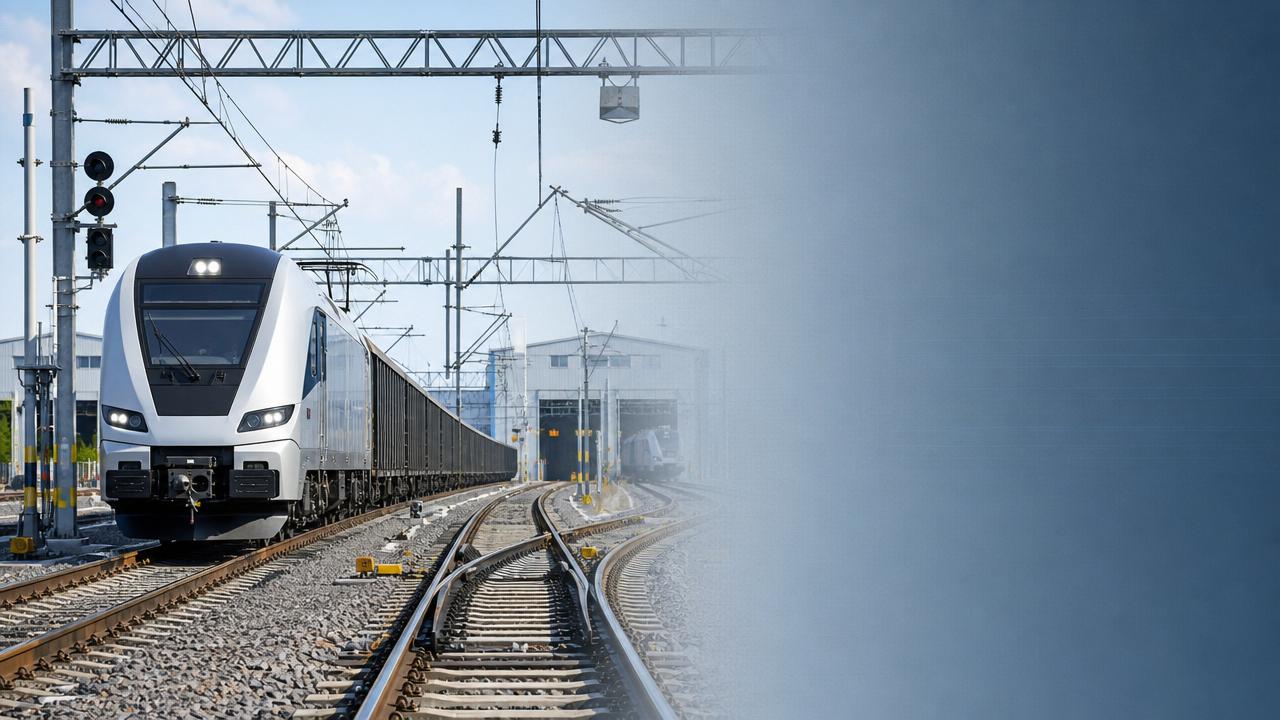
For operators, next-gen locomotive tech breakthroughs are no longer abstract engineering headlines. They change how trains start, climb, brake, communicate, and recover from faults during real freight service.
Across global rail corridors, these upgrades are reshaping heavy-haul performance, maintenance planning, crew workload, and compliance with stricter efficiency and safety expectations.
For a technical platform such as G-RFE, the practical question is clear: what do next-gen locomotive tech breakthroughs mean on the ground, inside depots, and along intercontinental freight routes?
Why the pace of locomotive change is now impossible to ignore
Rail freight is entering a period where energy pressure, digital control, axle-load demands, and corridor interoperability are moving together rather than separately.
That matters because older locomotive platforms were often optimized for one goal only, such as tractive effort, fuel economy, or ruggedness in isolated networks.
Today, next-gen locomotive tech breakthroughs must deliver multiple outcomes at once. They need stronger adhesion, lower emissions, better diagnostics, cleaner data, and easier integration with ETCS, CBTC, GSM-R, and fleet software.
In practice, this means locomotives are becoming software-defined traction assets, not just mechanical power units. The shift affects engineering standards, driver routines, maintenance intervals, and investment logic.
The strongest trend signals behind next-gen locomotive tech breakthroughs
Several industry signals show why next-gen locomotive tech breakthroughs are accelerating across comprehensive transport systems and heavy industrial logistics.
- Higher fuel and electricity cost volatility is pushing every ton-kilometer toward tighter efficiency control.
- Longer trains and higher axle loads require smarter traction distribution and brake coordination.
- Cross-border corridors demand greater compatibility with international signaling and communication standards.
- Downtime is becoming more expensive than scheduled component replacement.
- Decarbonization targets are forcing redesigns in diesel-electric, dual-mode, battery-assisted, and hydrogen-ready fleets.
- Data visibility expectations now extend from locomotive onboard systems to central control rooms and asset platforms.
These signals explain why the market conversation has shifted from “new locomotive models” to “operational capability upgrades.” That is the practical core of next-gen locomotive tech breakthroughs.
What is driving these breakthroughs at the engineering level
For G-RFE’s industry scope, the message is direct. The locomotive is evolving as part of a wider rail system that includes track condition, communication layers, and port-rail interfaces.
What next-gen locomotive tech breakthroughs mean in daily operation
The most visible effect of next-gen locomotive tech breakthroughs is not always higher headline horsepower. Often, it is better control of available power under variable operating conditions.
Traction and adhesion become more intelligent
Modern traction algorithms respond faster to rail contamination, gradient changes, and uneven loading. This reduces wasted power and improves train handling on difficult routes.
For heavy-haul movement, stronger adhesion control means fewer rough starts, lower wheel damage risk, and more reliable schedules during bad weather or mixed track quality.
Fuel and energy use become measurable in real time
Older fleets often showed efficiency at the monthly reporting level. New systems show it trip by trip, section by section, and even event by event.
That allows crews and engineers to compare throttle behavior, idle time, regenerative braking performance, and route-specific energy consumption with much greater accuracy.
Diagnostics move from reactive to predictive
A major value of next-gen locomotive tech breakthroughs is the ability to identify abnormal patterns before a failure stops the train.
Temperature drift, vibration changes, voltage irregularity, and compressor behavior can now trigger maintenance action earlier, protecting availability on critical freight corridors.
Safety systems become more layered
Integrated event recording, driver assistance, brake health monitoring, and signaling compatibility reduce hidden operational risk. This is especially important on high-capacity routes with dense traffic interfaces.
How the impact spreads across business functions and rail assets
The effects of next-gen locomotive tech breakthroughs extend far beyond the cab. They influence the full operating chain across engineering, planning, and infrastructure coordination.
- Fleet maintenance: workshop schedules shift toward condition-based interventions and parts forecasting.
- Infrastructure interface: better data reveals where rail condition, gradients, or signaling constraints reduce locomotive efficiency.
- Operational planning: dispatch teams gain more realistic power, speed, and route performance assumptions.
- Compliance management: records are easier to align with emissions, safety, and cross-border technical requirements.
- Intermodal reliability: more predictable locomotive behavior improves rail-port synchronization and cargo transfer timing.
This system-wide view is central in a comprehensive industry context. A locomotive breakthrough only creates full value when connected with rolling stock, track access, communications, and terminal processes.
The practical issues that deserve close attention now
Not every innovation creates value automatically. Some next-gen locomotive tech breakthroughs raise new operational questions that should be assessed early.
- Data quality matters as much as data quantity. Poor sensor calibration can distort maintenance decisions.
- Software updates need validation against route conditions, train makeup, and signaling behavior.
- Hybrid and alternative-energy platforms require charging, fueling, or support infrastructure readiness.
- Cybersecurity becomes a rolling-stock issue when locomotives exchange operational data continuously.
- Training must cover interpretation of system alerts, not just basic control functions.
These attention points matter because the gap between buying advanced equipment and using it effectively can remain wide without a structured transition plan.
A grounded framework for judging what to do next
This framework helps translate next-gen locomotive tech breakthroughs into measurable decisions instead of vague technology enthusiasm.
What an informed next step looks like
A practical next step is to review locomotive performance as part of a corridor-wide system, not as an isolated machine category.
Start with route-specific traction data, downtime records, fuel or energy patterns, signaling interfaces, and maintenance bottlenecks. Then compare them against current next-gen locomotive tech breakthroughs and relevant UIC, EN, or AAR benchmarks.
For G-RFE-aligned analysis, the goal is not simply newer locomotives. It is stronger corridor resilience, cleaner performance data, safer operations, and higher freight reliability across the steel arteries of global trade.
When assessed this way, next-gen locomotive tech breakthroughs become easier to judge in practice: less disruption, better control, and more dependable heavy-haul transport at scale.
Industry Briefing
Get the top 5 industry headlines delivered to your inbox every morning.