
Environmental Equipment News: New Compliance Trends That Affect Operations

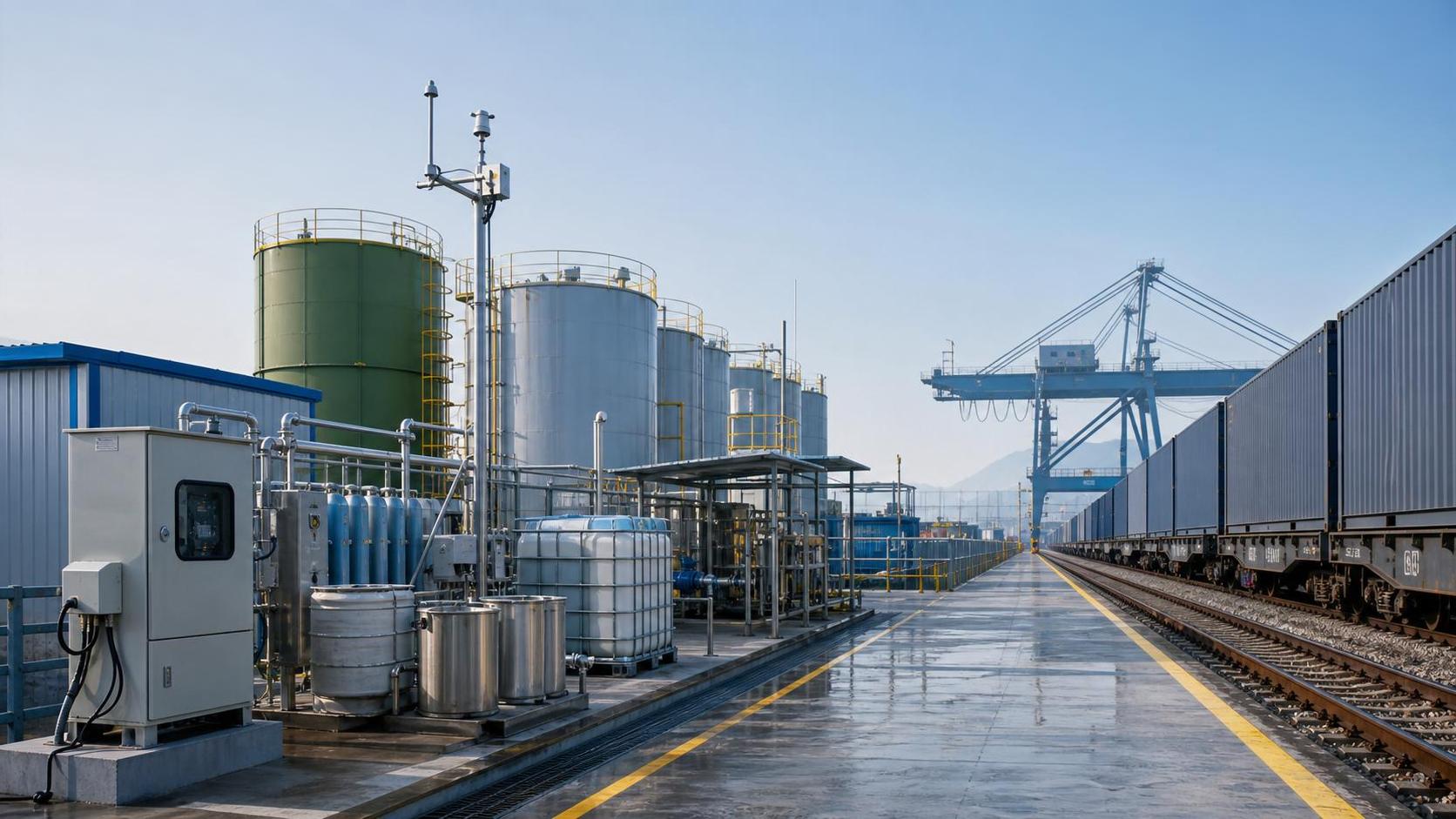
Why is environmental equipment news suddenly shaping rail operations?
Environmental equipment news for sustainable practices now affects more than corporate reporting. It influences inspection routines, procurement timing, maintenance schedules, and evidence prepared for audits.
In rail freight and engineering, that shift is especially visible. Depots, fueling points, workshops, track maintenance bases, and intermodal terminals face tighter scrutiny than before.
The practical reason is simple. Regulators no longer focus only on end-of-pipe emissions. They also examine monitoring accuracy, containment controls, waste traceability, and response readiness.
That is why environmental equipment news for sustainable practices matters operationally. A rule change on sensors or storage systems can trigger new calibration, documentation, or replacement duties.
Across the G-RFE landscape, the impact reaches heavy-haul locomotives, signaling rooms, track machinery, and rail-port interfaces. Different assets create different environmental risk profiles, but compliance expectations are converging.
A workshop handling oils and solvents may need upgraded spill capture. A terminal may need stronger dust and runoff controls. A signaling facility may need safer battery and electronic waste handling.
So the real question is not whether trends matter. It is how quickly each trend changes operating controls, acceptance criteria, and cross-functional accountability.
Which compliance trends are most likely to change day-to-day work?
Not every headline creates immediate action. In practice, the most disruptive updates are the ones tied to measurable equipment performance and mandatory records.
Several trends stand out in current environmental equipment news for sustainable practices:
- Continuous emissions and ambient monitoring requirements with tighter calibration intervals.
- More detailed controls for hazardous waste segregation, storage, and transfer logging.
- Greater attention to wastewater treatment, runoff capture, and separator efficiency.
- Stricter expectations for noise, dust, and vibration management near terminals and maintenance zones.
- Lifecycle documentation for batteries, filters, absorbents, and replaced electronic components.
For rail engineering operations, these trends rarely sit in one department. A locomotive refurbishment program may involve emissions controls, fluid handling, parts traceability, and contractor waste responsibilities at once.
G-RFE’s technical perspective is useful here because standards alignment often matters as much as hardware selection. Equipment that performs well in one market still needs evidence against UIC, EN, AAR, or local enforcement expectations.
A common mistake is assuming a compliant asset stays compliant indefinitely. More often, the weak point is missed verification, expired certificates, or an undocumented field modification.
How can you tell whether a new requirement affects your site or stays theoretical?
The fastest way is to map the update against actual operating nodes. Start with where emissions, waste, discharge, chemical handling, and measurement activities physically occur.
Then test each area with four practical questions. Is the process regulated, is equipment performance measurable, is evidence retained, and does a third party touch the workflow?
That approach usually shows where environmental equipment news for sustainable practices becomes operational rather than informational. It also prevents overreaction to trends that are still advisory.
This kind of review is especially useful for mixed environments. Many rail sites combine mechanical work, digital systems, fuel operations, and civil maintenance in one compliance boundary.
Where do teams usually misread environmental equipment news for sustainable practices?
The first blind spot is treating equipment as the whole answer. A new separator, scrubber, enclosure, or sensor does not close the compliance gap by itself.
The second is focusing only on purchase specifications. Real exposure often appears later, during installation acceptance, maintenance frequency, alarm handling, or outsourced servicing.
Another common issue is fragmented ownership. Environmental controls may sit with engineering, while evidence sits with operations, and incident response sits elsewhere. Audits rarely respect those internal boundaries.
In actual rail settings, several risk patterns repeat:
- Portable monitoring devices are used, but calibration proof is missing.
- Secondary containment exists, but capacity calculations are outdated.
- Waste is segregated correctly on paper, but temporary storage areas drift over time.
- Contractors remove materials, yet site records do not show full transfer responsibility.
- Older assets remain in service without reassessment after regulatory thresholds change.
Environmental equipment news for sustainable practices should therefore be read as an early warning system. It signals where procedures, training, and verification may need as much attention as hardware.
What should be compared before selecting or upgrading environmental equipment?
A useful comparison goes beyond capacity and price. The better question is whether the equipment supports the site’s evidence burden over its full operating cycle.
For example, runoff controls at a rail-port interface face different stress than workshop containment. Signaling facilities may prioritize battery management and HVAC filtration rather than fuel-related controls.
When reviewing options, look at these decision points:
- Measurement integrity: Can the system log, export, and retain defensible records?
- Maintenance realism: Are service intervals workable under actual rail operating conditions?
- Integration fit: Does it connect with current alarms, permits, and inspection routines?
- Standard alignment: Is there documented conformity with the required regional framework?
- Failure response: What happens when sensors drift, tanks overfill, or separators underperform?
This is where G-RFE-style benchmarking becomes valuable. Comparing high-performance assets against recognized rail and engineering standards reduces the risk of buying equipment that looks adequate but fails audit scrutiny.
In many cases, the stronger choice is not the most advanced system. It is the system that can be verified consistently across harsh duty cycles, multiple contractors, and multilingual documentation environments.
How do you prepare for the next twelve months without overbuilding compliance?
A balanced response starts with prioritization. Not every site needs a major retrofit, but every site should know which environmental controls are critical, fragile, or poorly documented.
One practical method is to divide actions into near-term, medium-term, and watch-list items. That keeps environmental equipment news for sustainable practices tied to decisions instead of general awareness.
A workable action sequence
- Review permits, internal standards, and contractor scopes against recent equipment-related updates.
- Identify the top five controls that could stop operations, trigger fines, or weaken incident defense.
- Test whether records are complete, timestamped, and easy to retrieve during an unplanned inspection.
- Recheck older assets in depots, workshops, and terminals where grandfathered assumptions may no longer hold.
- Track policy and engineering signals together, especially where low-carbon upgrades change waste or monitoring duties.
That final point matters. Decarbonization projects can reduce one risk while creating another. New batteries, hybrid systems, alternative fuels, or smarter electronics often bring fresh storage and disposal obligations.
The most useful reading of environmental equipment news for sustainable practices is therefore selective and operational. Focus on changes that alter controls, records, interfaces, and proof.
If the next step is unclear, begin with one corridor, one depot, or one terminal. Map the equipment, the applicable rules, the evidence chain, and the likely failure points. That usually reveals where action is urgent and where monitoring is enough for now.
Industry Briefing
Get the top 5 industry headlines delivered to your inbox every morning.