
Why Raw Material Volatility Is Reshaping Wagon Cost Estimates

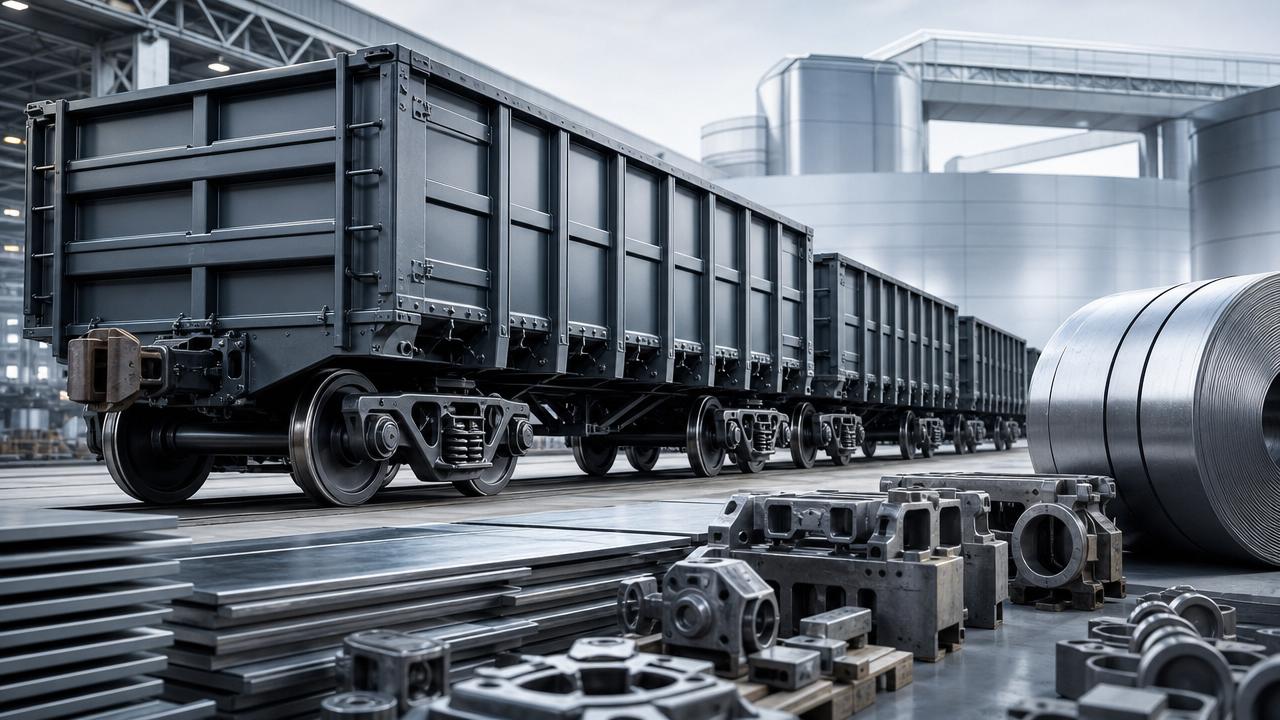
For rail asset budgeting, the impact of raw material on wagon costs has moved from a background issue to a board-level concern.
Steel, aluminum, castings, wheelsets, braking systems, and energy inputs now shift too quickly for static estimates to remain reliable.
This matters across the broader transport, infrastructure, engineering, and finance landscape, not only within rolling stock manufacturing.
When cost models fail to capture volatility, project approvals, tender pricing, maintenance reserves, and return expectations can all drift off target.
A sharper view of the impact of raw material on wagon costs helps improve forecast credibility, reduce exposure, and support better capital timing.
Why wagon cost estimates are becoming less stable
Freight wagon estimates used to rely on relatively stable assumptions around structural steel, fabricated assemblies, and predictable supplier lead times.
That environment has changed. Prices now react faster to energy shocks, geopolitical disruption, carbon policy, freight congestion, and regional capacity constraints.
The impact of raw material on wagon costs is especially strong because wagons are material-intensive industrial assets with thin tolerance for input changes.
Even modest movement in plate steel, forgings, or imported subcomponents can materially alter the final delivered unit price.
Across integrated freight corridors, budgets are also exposed to exchange rates, shipping costs, and compliance-driven specification upgrades.
The clearest trend signals behind the impact of raw material on wagon costs
Several signals show why wagon cost estimates now require dynamic rather than fixed-budget thinking.
- Steel price cycles have become sharper and more frequent across major producing regions.
- Energy inflation has raised smelting, rolling, casting, heat treatment, and fabrication costs.
- Specialized components face longer lead times, reducing negotiating flexibility during procurement windows.
- Carbon-linked production shifts are changing the cost base of low-emission metals and processed inputs.
- Port and inland logistics volatility is adding hidden landed-cost pressure to imported assemblies.
- Supplier concentration in key parts increases pricing sensitivity when one region experiences disruption.
These signals confirm that the impact of raw material on wagon costs is structural, not temporary noise.
What is driving this shift across wagon materials and components
The following table summarizes the main forces reshaping freight wagon cost assumptions.
In practical terms, the impact of raw material on wagon costs often combines direct material inflation with indirect processing and logistics escalation.
Where the impact of raw material on wagon costs is most visible
Not all wagon categories are affected in the same way. Material intensity and specification complexity shape exposure levels.
High-exposure wagon segments
- Heavy-haul open wagons with large steel structures and reinforced underframes
- Tank wagons using specialized steels, coatings, and pressure-related fittings
- Intermodal flats requiring precision fabrication and imported assemblies
- High-speed freight wagons with stricter dynamic and braking specifications
Cost elements that move first
- Body shell and frame steel
- Bogie frames, castings, and wheelsets
- Brake systems and coupler assemblies
- Surface treatment, welding consumables, and fabrication energy
This is why the impact of raw material on wagon costs should be evaluated at component level, not only as a single total-price assumption.
How volatility changes budgeting, tendering, and project returns
Volatility affects more than purchase price. It changes the timing and confidence of every downstream financial decision.
First, budget approvals become harder to defend when supplier quotations expire quickly and benchmark prices diverge by region.
Second, tender comparisons can become misleading if bidders use different escalation assumptions or different sourcing geographies.
Third, expected return on fleet expansion can weaken if asset costs rise faster than freight tariffs or corridor utilization.
The impact of raw material on wagon costs also reaches maintenance planning, because replacement parts often follow the same commodity trajectory.
In broader industrial terms, this links capital expenditure, operational readiness, and lifecycle economics more tightly than before.
What deserves closer attention before approving wagon cost estimates
A resilient estimate should test the full chain of exposure, not only base material prices.
- Break down the bill of materials by commodity-sensitive categories.
- Check supplier quote validity periods and escalation triggers.
- Separate domestic and imported content for currency exposure tracking.
- Review energy-intensive process steps, not only raw feedstock prices.
- Model alternative delivery schedules to test timing risk.
- Compare specification choices against lifecycle value, not only upfront cost.
- Align assumptions with standards such as UIC, EN, and AAR where relevant.
These checks make the impact of raw material on wagon costs visible early, before it turns into an approval gap or contract dispute.
Practical response options to reduce exposure without weakening project quality
No single tactic removes volatility, but several actions can improve control and forecasting accuracy.
The best response usually combines commercial flexibility, engineering discipline, and live market intelligence.
A better way to judge the impact of raw material on wagon costs going forward
Future-ready estimating should move from static pricing to monitored assumptions with regular refresh points.
That means linking commodity tracking, supplier feedback, standards compliance, and logistics indicators into one decision framework.
For complex rail programs, technical intelligence platforms such as G-RFE help connect hardware economics with regulatory and corridor realities.
This broader view is essential because the impact of raw material on wagon costs is now tied to policy, energy, industrial capacity, and transport integration.
The next practical step is to review current wagon estimates line by line, apply scenario ranges, and retest assumptions against live material signals.
Doing so turns uncertainty into a manageable planning variable rather than a late-stage budget surprise.
Industry Briefing
Get the top 5 industry headlines delivered to your inbox every morning.