
Why Raw Material Swings Are Repricing Wagon Projects

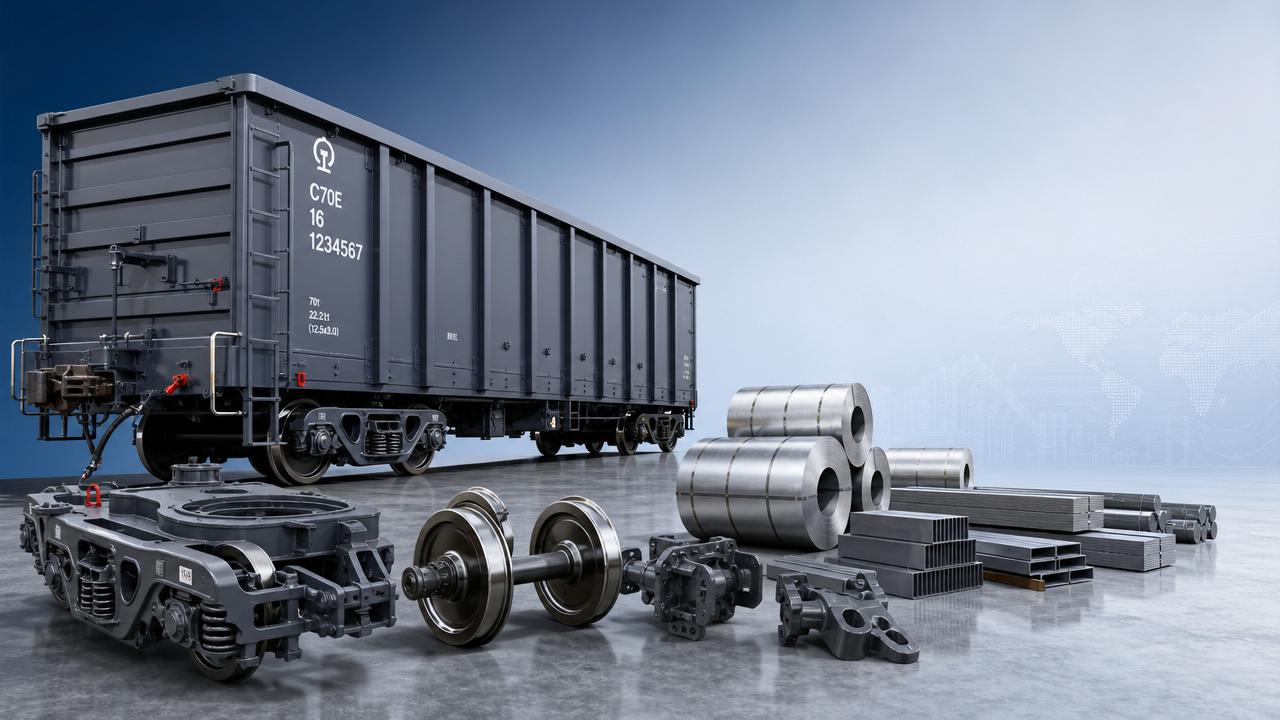
For finance approvers evaluating fleet expansion or renewal, the impact of raw material on wagon costs is now too significant to treat as a routine variable. Steel, aluminum, castings, and energy-linked inputs are reshaping CAPEX assumptions, supplier quotes, and project timing across global wagon programs. This article explains why material volatility is repricing wagon projects, where the cost pressure is concentrated, and how decision-makers can protect budgets without compromising technical compliance or long-term asset value.
Why a checklist approach matters before approving wagon CAPEX
For financial approvers, the main risk is not simply paying more for wagons. The larger risk is approving a budget based on an outdated cost baseline, then discovering that supplier revisions, commodity escalation, freight surcharges, or compliance-related redesigns have changed the real project value. The impact of raw material on wagon costs now reaches beyond procurement and directly affects depreciation planning, financing needs, project sequencing, and return-on-asset assumptions.
A checklist-based review is useful because wagon cost inflation is rarely driven by a single input. A steel index increase can trigger higher fabrication costs, but it may also affect bogie components, couplers, brake structures, machining, welding time, and supplier hedging premiums. Finance teams therefore need a practical way to separate temporary quote noise from structural repricing. The right method is to inspect cost drivers in order of financial significance, contractual exposure, and schedule sensitivity.
First review: the core cost drivers behind the impact of raw material on wagon costs
Before comparing suppliers, start with the parts of the wagon bill of materials that are most exposed to material volatility. This first-pass review helps finance teams identify whether a quote increase is justified, negotiable, or a sign of hidden specification drift.
- Carbody steel content: High-strength steel plate, formed sections, underframe members, and sidewall structures often represent the single largest raw material exposure. If the wagon design uses thicker plate for durability or load compliance, the impact of raw material on wagon costs rises quickly.
- Bogie and wheelset assemblies: Castings, forgings, axles, wheels, and suspension components are highly sensitive to steel, foundry energy, and machining costs. These assemblies often carry both material and labor escalation at the same time.
- Brake and coupler systems: Even when sourced from specialized suppliers, these systems embed alloy metals, rubber, hoses, and machined parts. Financial teams should check whether the quoted increase is linked to raw material indices or to proprietary sub-supplier pricing.
- Aluminum or lightweight structures: In some wagon categories, weight optimization can improve payload efficiency, but aluminum volatility may offset expected lifecycle benefits unless the use case is clearly justified.
- Energy-intensive manufacturing steps: Welding, heat treatment, coating, casting, and machining are all indirectly affected by gas and electricity costs. These are often presented as “processing adjustments,” yet they are part of the broader impact of raw material on wagon costs.
- Protective coatings and consumables: Paint, primers, welding wire, industrial gases, and anti-corrosion systems may appear minor individually, but they can materially affect fleet-scale orders.
Use this approval checklist before accepting a revised wagon quotation
A strong approval process should test whether the supplier’s revised price reflects real commodity exposure or broad contingency loading. The following checklist is designed for finance approvers who need quick but disciplined validation.
- Confirm the pricing date and index base. Ask what date the quotation assumes for steel, castings, aluminum, and energy-intensive processing. A quote without a clear index baseline is difficult to audit.
- Request cost segmentation. Suppliers should break the price into material, fabrication, bought-out systems, logistics, testing, and overhead. Without segmentation, the impact of raw material on wagon costs cannot be isolated.
- Identify escalation clauses. Check whether the supplier has built future escalation into the quote and also retained a contractual right to revise pricing later. Double-counting is a frequent hidden issue.
- Test volume sensitivity. Unit cost often changes sharply between pilot, medium, and full-series orders. Finance teams should verify whether a higher quote is actually a low-volume penalty rather than raw material inflation.
- Review specification changes. Added fatigue requirements, axle load upgrades, EN or AAR compliance changes, brake package revisions, or corrosion-protection enhancements can be incorrectly presented as pure material escalation.
- Check foreign exchange interaction. If steel or components are globally sourced, exchange rate movements may amplify the impact of raw material on wagon costs beyond domestic commodity trends.
- Verify lead-time assumptions. Long-lead items such as wheelsets, cast bogie frames, bearings, and couplers may lock in future exposure. Timing risk can be as important as headline price.
Where cost pressure is usually concentrated in wagon projects
Not all wagon categories respond to material swings in the same way. Finance approvers should focus on where concentration risk is highest, because that is where contingency, negotiation effort, and redesign review have the greatest impact.
Heavy-haul and high-payload wagons
Heavy-haul wagons carry the greatest steel intensity per unit and often require robust bogies, reinforced underframes, and high-durability wear structures. In this segment, the impact of raw material on wagon costs is direct and usually difficult to offset quickly. Small percentage moves in steel can produce large absolute CAPEX changes across fleet orders.
Specialized wagons with custom engineering
Tank wagons, intermodal platforms, coil carriers, or wagons for harsh climatic and corrosion environments often include lower manufacturing standardization. Here, suppliers may embed wider risk buffers because material volatility combines with engineering complexity and uncertain rework cost.
Programs with strict compliance or cross-border use
Where UIC, EN, AAR, or customer-specific acceptance requirements apply, even modest material substitutions may trigger validation, testing, or documentation updates. That means the impact of raw material on wagon costs is not limited to the bill of materials; it can also affect homologation effort and delivery timing.
A practical decision table for finance approvers
Commonly overlooked items that distort the impact of raw material on wagon costs
Many approvals focus too heavily on headline steel prices and miss the secondary channels that reprice wagon programs. These hidden items often explain why two suppliers react very differently to the same commodity environment.
- Scrap and yield losses: Complex fabrication layouts can increase cutting waste, especially for thicker plate and nonstandard profiles.
- Foundry and forge capacity constraints: Even if steel prices stabilize, capacity shortages in bogie castings or axle forgings can keep costs elevated.
- Logistics and packaging: Ocean freight, inland transport, and protective packaging can rise with energy prices and affect imported components.
- Supplier financing cost: If vendors must hold expensive inventory longer, they may add working-capital premiums to protect cash flow.
- Retesting after material substitution: A lower-cost material option is not necessarily cheaper if fatigue, weld, or corrosion validation must be repeated.
How different approval scenarios should change your review standard
If this is a fleet expansion project
Focus on aggregate exposure. Even a moderate unit increase can become a major budget event across a large order. Review escalation caps, phased delivery pricing, and whether a split-award strategy could reduce concentration risk. In expansion programs, the impact of raw material on wagon costs should be assessed at total fleet level, not just per-unit level.
If this is a fleet renewal program
Compare higher acquisition cost against avoided maintenance, lower tare weight, improved payload efficiency, and compliance life extension. A more expensive wagon may still be financially superior if it reduces lifecycle penalties associated with aging stock.
If the project is publicly funded or tightly audited
Document every commodity-based adjustment with traceable indices, supplier declarations, and change-control records. Approval discipline matters because post-award scrutiny often focuses on whether the impact of raw material on wagon costs was independently validated.
Execution recommendations to protect budget without weakening technical value
Finance teams do not need to absorb every increase passively. Several practical actions can improve budget control while preserving engineering compliance and long-term asset performance.
- Lock specifications early. Design drift multiplies the impact of raw material on wagon costs and makes supplier comparisons unreliable.
- Use indexed pricing formulas where appropriate. Clear formulas are often better than opaque fixed-price premiums that hide excessive risk loading.
- Stage procurement around exposure windows. For critical components, timing commitments to favorable market periods may protect project economics.
- Request approved material alternatives. Pre-qualified equivalent grades can improve sourcing flexibility during volatile periods.
- Model total cost, not purchase price alone. Lighter wagons, longer overhaul intervals, or better corrosion resistance may justify higher initial cost.
- Stress-test supplier resilience. The cheapest quote may carry the highest risk if the vendor lacks balance-sheet strength or upstream supply security.
Final approval questions to prepare before supplier discussions
If the project is moving forward, finance approvers should enter discussions with a focused question set. Ask for the commodity baseline date, material share of wagon cost, exposure by subsystem, escalation mechanism, alternative grade options, inventory coverage, delivery schedule sensitivity, and any compliance consequences of substitution. These questions turn the impact of raw material on wagon costs from a vague external problem into a manageable approval framework.
For organizations managing strategic rail-freight investment, the best next step is to align finance, engineering, and procurement around one reviewed cost model before final approval. If further clarification is needed, prioritize discussion on technical specifications, material assumptions, volume effects, delivery phasing, warranty scope, and the contractual treatment of future commodity swings. That is where better decisions protect both budget certainty and long-term wagon asset value.
Industry Briefing
Get the top 5 industry headlines delivered to your inbox every morning.