
Heavy Machinery Cost Factors in 2026 Projects

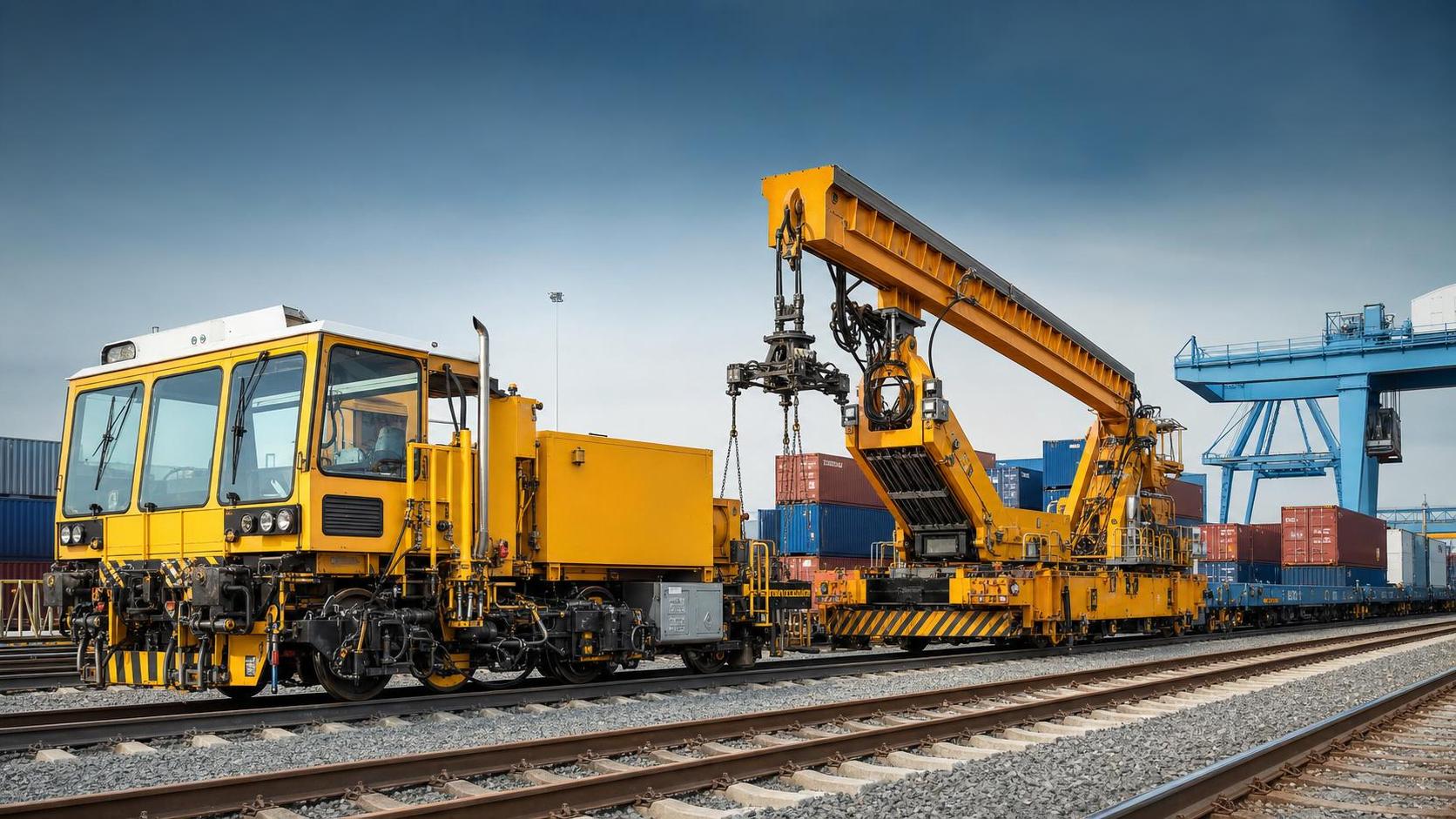
Why are heavy machinery costs under closer scrutiny for 2026 projects?
Heavy machinery budgets are no longer driven by purchase price alone. In 2026 projects, cost pressure starts much earlier and lasts much longer.
Rail freight corridors, terminal upgrades, and engineering programs now face tighter delivery windows, stricter emissions rules, and more digital integration requirements.
That changes how heavy machinery should be compared. A lower quote can still create a higher total cost once fuel burn, uptime risk, compliance, and spare parts are counted.
This matters even more in railway-linked infrastructure. Track maintenance units, lifting systems, tamping machines, and specialized rail engineering machinery often work inside regulated operating environments.
In practice, the best buying decisions connect asset performance with corridor reliability. That is why technical benchmarks, standards, and field data deserve as much attention as headline pricing.
A platform such as G-RFE reflects this shift clearly. Its focus on rolling stock, rail infrastructure, signaling, intermodal systems, and specialized machinery shows that equipment costs now sit inside a larger operational system.
What actually drives heavy machinery cost beyond the initial quote?
The short answer is total ownership cost. The longer answer is that several cost layers interact, and one weak area can distort the full project budget.
Base equipment price still matters, but it is only one line item. Freight, commissioning, attachments, operator training, and site preparation often add meaningful hidden cost.
Fuel or energy consumption is another major factor. Heavy machinery used in rail yards, depots, and track works may run long shifts, so small efficiency differences become large annual expenses.
Maintenance planning also changes the equation. Machines with low service intervals, proprietary parts, or limited regional support can look affordable at bid stage and expensive after deployment.
Compliance costs are rising as well. If equipment must align with UIC, EN, AAR, local safety codes, emissions rules, or digital signaling interfaces, the approval path may affect both budget and schedule.
The most useful way to review cost drivers is to compare them side by side:
This kind of review prevents a narrow cost comparison. It also creates a stronger basis for negotiation when bids appear similar on the surface.
Which heavy machinery applications tend to cost more in rail and freight projects?
Not all heavy machinery follows the same cost pattern. Standard earthmoving equipment behaves differently from rail-specific machines operating under technical and safety constraints.
Specialized rail engineering machinery usually carries a higher lifecycle cost. Examples include ballast regulators, tampers, rail cranes, track-laying systems, and inspection-integrated maintenance units.
The reason is simple. These assets often combine hydraulic power, control software, precise measurement systems, and route-specific operating requirements.
Intermodal rail-port systems can also become expensive quickly. Heavy machinery used around loading interfaces must coordinate with freight flow, terminal safety logic, and asset tracking platforms.
Another cost-intensive area is machinery working near signaling or communication infrastructure. Equipment must avoid interference, support safe work windows, and sometimes align with GSM-R or related digital frameworks.
A practical rule helps here. The more specialized the machine, the more important service support, standards alignment, and software access become in the cost review.
How can buyers compare heavy machinery options without being misled by low pricing?
Low pricing becomes risky when it hides assumptions. More common problems include short warranty coverage, nonstandard components, or missing integration responsibilities.
A better comparison method is to score equipment across commercial, technical, and operational dimensions. That gives cost context instead of treating every quote as equal.
In actual evaluations, these checkpoints tend to separate stronger offers from weaker ones:
- Does the machine meet the required duty cycle without derating in harsh climates or long operating windows?
- Are core components common in the region, or will every failure depend on imported parts?
- Is the control architecture open enough for diagnostics, upgrades, and fleet monitoring?
- Will local teams receive commissioning support, technical documentation, and usable training?
- Are performance claims supported by reference projects with similar rail, freight, or engineering conditions?
This approach is especially useful when comparing multinational suppliers and regional specialists. One may offer better pricing, while the other lowers lifecycle uncertainty.
Where benchmark data is available, use it. G-RFE-style technical comparison is valuable because it links equipment selection with recognized standards and operating realities, not just brochure claims.
Where do heavy machinery budgets usually go wrong after contract award?
Most overruns do not begin with a dramatic failure. They start with small omissions that accumulate after delivery.
One frequent mistake is underestimating mobilization and setup. Oversize transport permits, assembly crews, test runs, and site access constraints can shift both cost and schedule.
Another issue is unclear responsibility for interfaces. If heavy machinery must connect with depot systems, signaling rules, or rail-port operations, integration work needs named ownership.
Downtime assumptions also deserve caution. A machine with strong output on paper may still reduce corridor productivity if maintenance windows are long or fault diagnostics are weak.
There is also the financing side. Interest rates, payment milestones, exchange exposure, and residual value assumptions can materially change real project cost.
The table below highlights common budget traps and the better question to ask before award:
What is the smartest way to build a heavy machinery cost checklist for 2026?
Start with the operating scenario, not the catalog. Cost judgment becomes sharper when the machine is matched to route conditions, shift patterns, payload needs, and compliance boundaries.
Then separate fixed cost from variable cost. Fixed items include acquisition, commissioning, and certification. Variable items include fuel, wear parts, labor hours, software updates, and unplanned downtime.
It also helps to define three decision horizons:
- Bid horizon: compare scope, technical fit, and exclusions.
- Deployment horizon: review logistics, training, approvals, and interfaces.
- Lifecycle horizon: estimate uptime, overhaul timing, support depth, and resale or redeployment value.
For rail, freight, and engineering projects, this checklist should also reflect system compatibility. Heavy machinery rarely works in isolation when corridors, depots, track access, and signaling rules are involved.
A useful next step is to create an internal comparison sheet using the same fields across all suppliers. That simple discipline reduces bias and makes trade-offs visible.
If a decision is difficult, return to the basics. Which option protects uptime, compliance, and maintainability with the fewest assumptions? That answer usually reveals the stronger long-term value.
So, what should be reviewed before final selection?
Heavy machinery cost factors in 2026 projects are broader than price, and more interconnected than many bid tables suggest.
The most reliable decisions come from checking lifecycle cost, technical fit, service readiness, standards compliance, and digital integration together.
That is particularly true in railway and freight environments, where machinery performance affects network reliability, work windows, and safety outcomes.
Before final selection, review real duty assumptions, compare support models, confirm documentation status, and test whether the quoted solution fits the full operating system.
A clear checklist, supported by benchmark-oriented sources such as G-RFE, helps turn heavy machinery evaluation from a price exercise into a sound project decision.
Industry Briefing
Get the top 5 industry headlines delivered to your inbox every morning.