
2026 Rail Cost Shifts From Electrification

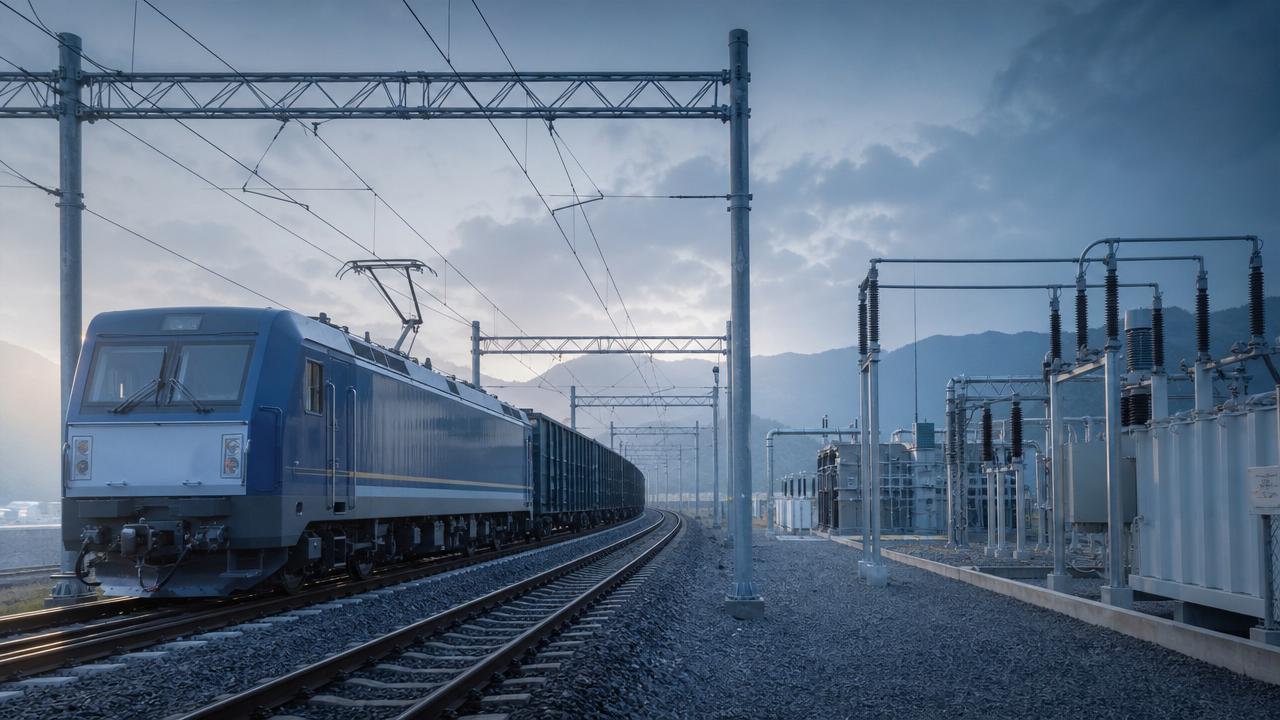
As 2026 capital plans move from ambition to approval, rail executives must reassess the impact of electrification on rail cost across infrastructure, rolling stock, energy procurement, and long-term asset performance.
For financial approvers, the core question is no longer whether electrification supports decarbonization, but how its cost shifts affect ROI, funding risk, lifecycle maintenance, and corridor competitiveness.
This article outlines the budget pressures and strategic trade-offs shaping electrified rail investment decisions.
2026 Rail Cost Shifts From Electrification: Why a Checklist Matters
Electrification changes rail economics by moving costs from fuel and mechanical maintenance toward power systems, grid interfaces, and digital asset control.
The impact of electrification on rail cost is therefore not a single budget line. It is a system-wide redistribution of capital and operating exposure.
A checklist prevents narrow comparisons between diesel traction and electric traction. It forces corridor planners to test capacity, reliability, tariff, and maintenance assumptions together.
This is critical for heavy-haul freight corridors, intermodal rail-port systems, and mixed-traffic networks using ETCS, CBTC, or GSM-R upgrades.
Core Checklist for Measuring the Impact of Electrification on Rail Cost
Use the following checklist before approving 2026 electrification budgets. Each item should be supported by corridor data, supplier quotations, and lifecycle models.
- Map the full traction power scope, including substations, overhead contact systems, feeder stations, protection relays, and grid connection reinforcements.
- Separate civil works from electrical works, because bridges, tunnels, clearances, and drainage upgrades often distort early cost comparisons.
- Model locomotive acquisition options, comparing new electric fleets, dual-mode units, battery-assisted designs, and staged diesel-electric replacement.
- Quantify energy procurement risk by testing peak tariffs, demand charges, renewable power contracts, and exposure to grid congestion pricing.
- Calculate maintenance savings carefully, because fewer traction engine parts may be offset by catenary inspection and substation maintenance.
- Test service disruption costs during construction, especially where freight windows are narrow and diversion routes have axle-load limits.
- Assess signaling compatibility, since electrification can require electromagnetic protection, updated train detection, and validated safety cases.
- Benchmark asset standards against UIC, EN, and AAR requirements to avoid expensive redesigns after tender award.
- Estimate workforce transition costs, including high-voltage certification, emergency response training, and maintenance depot tooling changes.
- Build a phased funding plan that links each electrified segment to measurable capacity, emissions, and reliability gains.
This checklist turns the impact of electrification on rail cost into auditable assumptions rather than optimistic policy language.
Infrastructure Cost Items That Shift First
Infrastructure is usually the first area where the impact of electrification on rail cost becomes visible.
Overhead contact systems require masts, foundations, registration arms, section insulators, tensioning equipment, and earthing designs.
Substations add transformers, switchgear, SCADA links, protection systems, and high-voltage safety procedures.
Civil interfaces can be more expensive than traction equipment. Low bridges, constrained tunnels, and legacy station canopies may force reconstruction.
Track maintenance planning also changes. Access windows must support catenary inspections, thermographic checks, and electrical isolation procedures.
The strongest business cases treat electrification as a corridor modernization program, not as a narrow energy conversion project.
Rolling Stock and Fleet Strategy Checklist
Rolling stock decisions determine whether electrification creates operational savings or stranded fleet value.
The impact of electrification on rail cost depends heavily on fleet age, duty cycle, train length, gradients, and terminal dwell time.
- Audit diesel-electric fleet life before replacement, identifying units suitable for redeployment, repowering, resale, or controlled retirement.
- Compare electric locomotive tractive effort against heavy-haul requirements, including starting performance on gradients and regenerative braking limits.
- Specify onboard diagnostics that align with depot systems, remote condition monitoring, and predictive maintenance platforms.
- Plan depot electrification early, including isolation equipment, roof access controls, battery charging, and safe inspection zones.
- Validate interoperability for cross-border corridors, especially where voltage systems, signaling rules, and operational standards differ.
Fleet planning should not assume that electric traction automatically lowers total cost.
Savings appear when locomotive utilization, energy pricing, and maintenance productivity are all improved at corridor level.
Energy Procurement and Grid Exposure
Energy procurement is central to the impact of electrification on rail cost in 2026.
Diesel budgeting is familiar, even when prices are volatile. Electricity introduces tariffs, grid capacity charges, and connection negotiations.
Regenerative braking can reduce net consumption, but only when timetables, gradients, substations, and grid receptivity support energy recovery.
Power purchase agreements may stabilize costs. However, contract structures must match train schedules and peak traction demand.
A corridor with high freight density may absorb fixed grid costs better than a lightly used regional line.
For this reason, electrification cost analysis should include load profiles, seasonal variation, and expected traffic growth.
Scenario Notes for Different Rail Applications
Heavy-Haul Freight Corridors
Heavy-haul corridors often show a stronger impact of electrification on rail cost because high train density spreads infrastructure investment over more gross ton-kilometers.
Electric traction can improve acceleration, braking energy recovery, and locomotive availability on demanding routes.
However, axle loads, long consists, and remote terrain can raise substation spacing and maintenance access costs.
Intermodal Rail-Port Systems
Intermodal rail-port systems face different constraints. Yard movements, short hauls, and terminal interfaces may reduce the benefit of full mainline electrification.
Battery-assisted locomotives or partial electrification may offer better cost control where port emissions rules are strict.
The impact of electrification on rail cost should be tested against crane schedules, gate congestion, and port power availability.
Mixed Passenger and Freight Networks
Mixed networks can justify electrification through shared infrastructure benefits.
Yet capacity conflicts may increase if construction windows reduce freight paths during peak upgrade periods.
Cost models should assign benefits fairly across passenger frequency, freight reliability, emissions reductions, and network resilience.
Commonly Missed Cost Risks
Several risks are repeatedly underestimated when calculating the impact of electrification on rail cost.
- Include utility lead times, because grid connection delays can leave completed rail assets unable to deliver planned operating savings.
- Check electromagnetic compatibility, as signaling interference can trigger retesting, redesign, and schedule penalties.
- Price access constraints realistically, especially where possessions require night work, specialized machinery, or temporary service reductions.
- Account for copper theft, vandalism, and security systems, particularly on remote electrified corridors.
- Model climate exposure, since heat, ice, wind, flooding, and dust affect catenary reliability and maintenance frequency.
Ignoring these items can make electrification appear cheaper during approval and more expensive during delivery.
Execution Guidance for 2026 Budget Approval
Start with a corridor-level baseline. Record current fuel use, locomotive availability, maintenance cost, emissions, delay minutes, and throughput constraints.
Then build three cases: no electrification, partial electrification, and full electrification.
Each case should show capital expenditure, operating expenditure, carbon value, resilience benefits, and sensitivity to traffic growth.
Use independent technical review before final approval. Validate assumptions against international standards, supplier maturity, and corridor construction risk.
The impact of electrification on rail cost becomes clearer when commercial modeling and engineering design advance together.
Avoid approving traction equipment before confirming bridges, tunnels, grid capacity, signaling interfaces, and depot readiness.
Practical Decision Checklist
- Confirm whether electrification solves a capacity problem, an emissions problem, an energy security problem, or all three.
- Prioritize high-density corridors first, because utilization is the strongest driver of lifecycle cost recovery.
- Stage construction by operating value, not political visibility, to avoid expensive assets with delayed benefits.
- Link procurement packages to performance metrics, including availability, energy efficiency, maintainability, and safety compliance.
- Review the impact of electrification on rail cost annually, because tariffs, traffic, carbon rules, and technology options change.
Conclusion and Next Action
Electrification can strengthen rail competitiveness, but it does not remove cost pressure. It changes where cost appears, who manages it, and when benefits arrive.
The impact of electrification on rail cost must be evaluated through infrastructure, rolling stock, energy contracts, signaling systems, and maintenance regimes.
For 2026 planning, the most defensible next step is a corridor-specific electrification cost audit.
That audit should combine technical asset data, funding scenarios, grid engagement, and lifecycle performance metrics.
A disciplined checklist will not make electrification simple. It will make the investment measurable, comparable, and easier to defend.
Industry Briefing
Get the top 5 industry headlines delivered to your inbox every morning.