
Environmental Equipment News That Matters for Industrial Sustainability

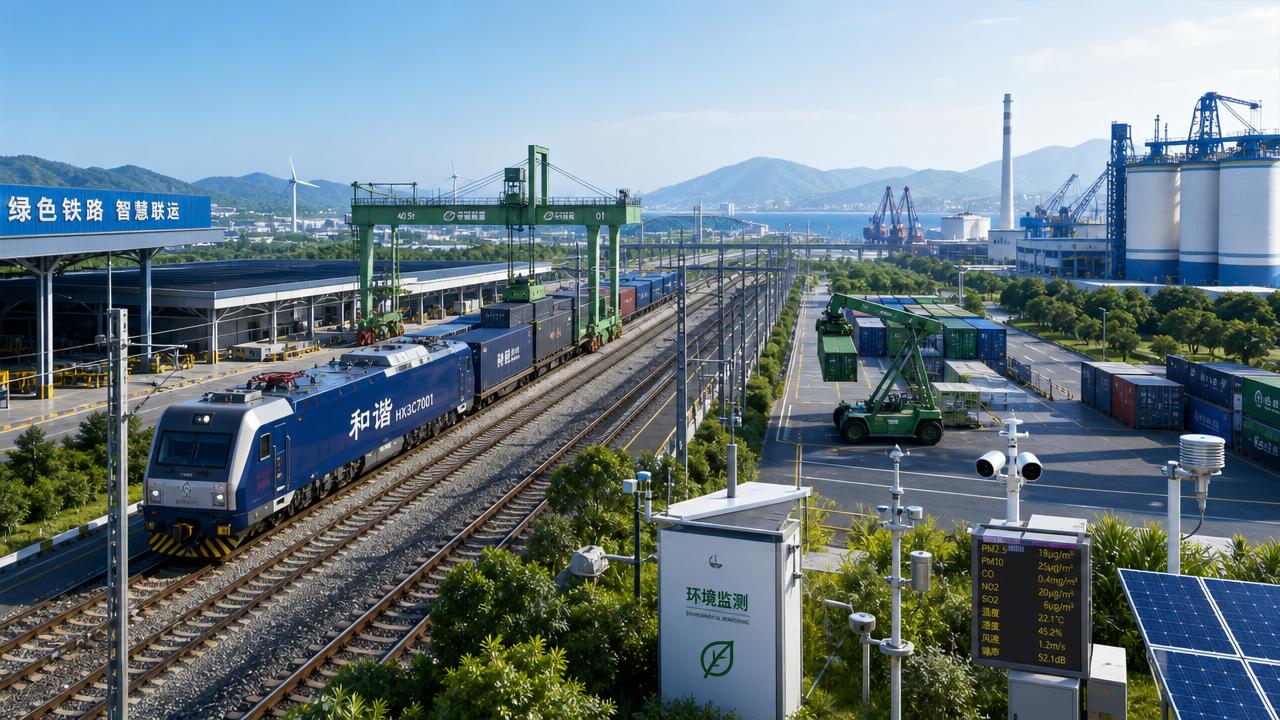
Why environmental equipment news for industrial sustainability is moving closer to core infrastructure decisions
Environmental priorities are no longer sitting beside industrial strategy. They are moving inside it, especially across freight corridors, ports, utilities, and heavy engineering assets.
That shift explains why environmental equipment news for industrial sustainability now matters far beyond compliance teams or isolated retrofit projects.
In rail-linked industries, the pressure comes from several directions at once. Energy costs remain volatile, carbon reporting is tightening, and asset uptime is under closer scrutiny.
At the same time, logistics networks are being asked to carry more volume with fewer disruptions and lower emissions per ton-kilometer.
This is where the latest environmental equipment news for industrial sustainability becomes practical rather than abstract.
It reveals how energy-efficient machinery, cleaner propulsion support systems, digital signaling, emissions monitoring, and resource-saving maintenance equipment are changing investment logic.
Across the G-RFE ecosystem, that logic is especially visible. Heavy-haul locomotives, rolling stock, track systems, CBTC and ETCS signaling, intermodal terminals, and specialized engineering machinery are all being reassessed together.
The important point is not that every operator is moving at the same pace. It is that cleaner equipment choices are increasingly linked to throughput, resilience, and access to future corridors.
The most visible signal is a broader definition of environmental equipment
A few years ago, environmental equipment often meant end-of-pipe control. Filters, treatment units, and emissions capture systems dominated the discussion.
Recent environmental equipment news for industrial sustainability shows a wider frame. The market now treats operational intelligence and efficiency hardware as environmental infrastructure too.
In freight and engineering networks, this includes regenerative systems, condition-based maintenance tools, lower-loss power electronics, dust-control units, smart ventilation, and digitally optimized signaling.
That change matters because emissions reductions are increasingly being captured through operational redesign, not only through standalone environmental devices.
A more efficient wagon fleet, better axle monitoring, or a signaling upgrade that reduces idle time may produce measurable sustainability gains without looking like traditional green equipment.
For organizations following UIC, EN, and AAR benchmarks, the implication is clear. Technical performance and environmental performance are becoming harder to separate.
Where the market is putting attention now
- Track maintenance machinery with lower fuel use, better precision, and fewer repeat interventions.
- Locomotive support systems that reduce idling, improve thermal management, and extend component life.
- Intermodal yard equipment that cuts dwell time and electricity waste during peak cargo handling windows.
- Digital signaling and communication platforms that improve traffic flow and reduce avoidable energy losses.
- Monitoring systems that make emissions, noise, dust, and water use visible at asset and corridor level.
Why this shift is accelerating now
From recent demand patterns, three forces stand out. None of them works alone, but together they are reshaping procurement and upgrade priorities.
This helps explain the tone of current environmental equipment news for industrial sustainability. The conversation is becoming more technical, more performance-based, and less rhetorical.
More noticeably, investment committees are asking tougher questions. They want to know which upgrades reduce energy intensity, which reduce maintenance windows, and which support corridor reliability.
The impact is spreading across the full rail-freight value chain
The effects are not limited to one equipment category. Cleaner industrial systems are being shaped by interactions between rolling stock, infrastructure, software, maintenance routines, and terminal operations.
In locomotives and wagons, the market is rewarding designs that improve traction efficiency, reduce weight where possible, and support predictive maintenance.
In track infrastructure, quieter and cleaner worksite machinery is becoming more relevant because maintenance access windows are shorter and community scrutiny is rising.
In signaling, environmental gains are often indirect but significant. Better train spacing, route optimization, and failure prevention can reduce energy waste across an entire corridor.
Intermodal systems show another layer of change. Port-rail interfaces are under pressure to cut cargo dwell time, electrify handling processes, and improve visibility of emissions hotspots.
That is why environmental equipment news for industrial sustainability increasingly overlaps with digital infrastructure news. The market no longer treats them as separate stories.
What becomes harder to ignore
- Energy losses hidden inside traffic inefficiency.
- Maintenance practices that increase material waste and repeat site visits.
- Older yard and engineering equipment with weak emissions data.
- Projects that meet output targets but miss future reporting requirements.
What stronger environmental equipment news for industrial sustainability is telling decision teams
One clear lesson is that sustainability value is being judged at system level. Isolated equipment upgrades still matter, but they are less convincing without corridor-wide operational evidence.
Another lesson is about timing. Waiting for a full fleet replacement is often unrealistic. Phased modernization is becoming the more common route.
That means retrofit potential deserves more attention. So do interoperability, sensor compatibility, and data structures that can survive future platform changes.
G-RFE’s role in this environment is relevant because its five industrial pillars reflect how real infrastructure choices are made. Rolling stock cannot be judged in isolation from signaling, maintenance, or intermodal design.
The organizations making the best progress are usually mapping technical standards, asset life cycles, and sustainability metrics at the same time.
This is where environmental equipment news for industrial sustainability becomes useful as an early warning tool. It shows which standards are influencing design, which technologies are gaining traction, and where integration risk may emerge.
The next wave will favor measurable upgrades over symbolic commitments
Looking ahead, the market is likely to reward projects that connect environmental performance to operating evidence.
That could mean lower traction energy per route, fewer unplanned maintenance callouts, reduced terminal congestion, or better alignment with corridor decarbonization targets.
It also suggests a change in how environmental equipment news for industrial sustainability should be read. The key question is not only what equipment is new.
The better question is what evidence that equipment can now produce, and how that evidence changes financing, insurance, standards compliance, or cross-border operating confidence.
More advanced buyers are already comparing technologies through that lens. They are asking whether a machine, control system, or retrofit package supports auditable progress over several years.
That mindset will likely spread from flagship corridors to broader industrial networks, including mining rail, port access links, and inland logistics hubs.
Practical areas to review next
- Audit where energy waste actually occurs across locomotives, yards, signaling, and maintenance cycles.
- Track UIC, EN, and AAR-related updates that may reshape equipment specifications.
- Compare retrofit economics with full replacement timelines for critical assets.
- Prioritize systems that deliver both operational data and environmental reporting value.
- Build a phased roadmap instead of treating sustainability upgrades as a single capital event.
The most useful environmental equipment news for industrial sustainability now sits at the intersection of engineering reality and strategic timing.
Cleaner industrial performance is becoming a function of smarter asset choices, stronger data discipline, and better alignment between hardware, standards, and corridor operations.
For any organization connected to rail-freight modernization, the sensible next step is to watch the signals that reveal system-level change, then turn those signals into staged technical decisions.
Industry Briefing
Get the top 5 industry headlines delivered to your inbox every morning.