
Global freight rail industry insights shaping fleet plans in 2026

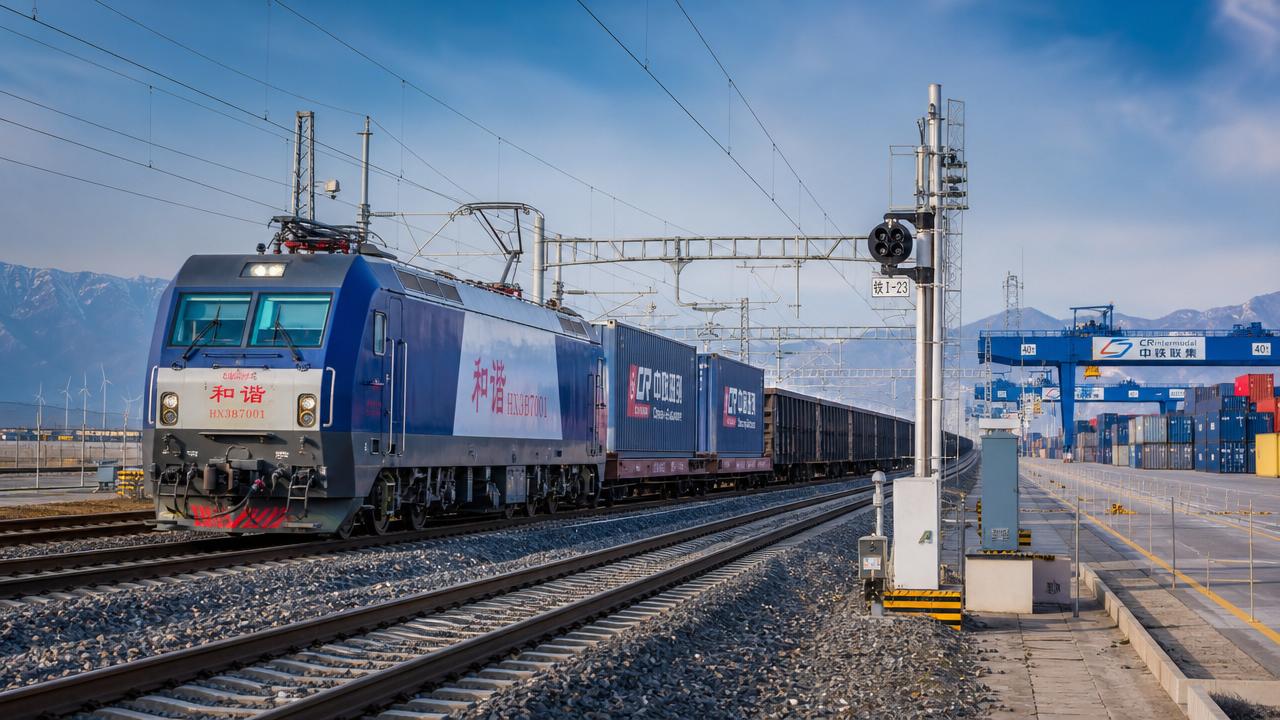
As 2026 planning cycles accelerate, global freight rail industry insights are becoming essential for project managers and engineering leads balancing capacity, decarbonization, interoperability, and asset reliability. From heavy-haul locomotives and smart signaling to intermodal corridor upgrades, this article highlights the market, technology, and policy shifts shaping smarter fleet decisions across complex international rail freight networks.
Why are global freight rail industry insights changing fleet planning assumptions?
For project managers, the old fleet planning model was relatively linear: forecast volume, specify traction power, confirm wagon count, and phase procurement around budget windows. That approach is no longer enough. Global freight rail industry insights now point to a more volatile environment shaped by commodity swings, stricter emissions expectations, cross-border operating standards, digital signaling migration, and rising asset utilization targets.
The practical result is clear. Fleet decisions in 2026 cannot be treated as rolling stock purchases alone. They must be linked to track condition, train length policy, axle load strategy, signaling architecture, terminal dwell time, maintenance capability, and corridor-specific compliance. A locomotive that looks efficient on paper may underperform if the route has ETCS migration issues, limited fueling resilience, weak wagon telemetry, or inconsistent maintenance windows.
This is where G-RFE creates value for technical decision-makers. Its five-pillar focus connects heavy-haul locomotives and rolling stock with track maintenance, smart signaling, intermodal systems, and specialized engineering machinery. For engineering leads managing a multi-country corridor or capacity expansion program, that integrated view is more useful than isolated equipment data sheets.
- Capacity planning now depends on corridor throughput, not just trainset count. Signaling headway, port interface, and maintenance possession time all affect usable fleet productivity.
- Decarbonization targets are influencing traction choices, route electrification timing, and diesel fleet modernization programs.
- Interoperability requirements are increasing the importance of standards alignment across UIC, EN, and AAR-related design expectations.
- Reliability metrics matter more because asset downtime now affects contractual service performance and corridor competitiveness.
What project teams are being asked to solve in 2026
Most project teams are not simply buying locomotives or wagons. They are trying to answer harder questions. Should a corridor prioritize more powerful locomotives or longer trains? Is it better to extend the life of an existing diesel-electric fleet or accelerate procurement of more efficient platforms? Can automated track maintenance reduce possession time enough to delay major fleet expansion? These are strategic trade-offs, and they require better global freight rail industry insights than broad market commentary usually provides.
Which market signals should project managers track first?
When reviewing 2026 investment assumptions, engineering leaders should begin with a focused market screen rather than broad headline trends. The most useful global freight rail industry insights are the ones that can be translated into scope decisions, procurement timing, and risk allocation.
The table below summarizes the market shifts most likely to influence fleet plans, engineering scopes, and procurement priorities across international rail freight networks.
A key lesson from these global freight rail industry insights is that market demand alone should not drive fleet expansion. The stronger planning method is to test each demand signal against infrastructure readiness, signaling constraints, maintenance capability, and regulatory timing. That reduces the risk of buying capacity that the corridor cannot fully use.
How corridor type changes the signal priority
A bulk export railway will usually rank axle load, traction reliability, and wagon cycle time above intermodal flexibility. By contrast, an international intermodal corridor may place more value on network interoperability, schedule adherence, and terminal integration. Project managers should therefore avoid generic benchmarking and use corridor-specific criteria.
How should fleet planners compare locomotive, wagon, and corridor upgrade options?
One of the most common mistakes in fleet planning is evaluating rolling stock without considering system bottlenecks. A new locomotive fleet may raise hauling capability, but if track condition limits speed, or if signaling headways are already restrictive, the investment may not produce the expected capacity gain. Good global freight rail industry insights help teams compare equipment choices against corridor upgrades in a single decision framework.
The comparison below can support early-stage screening before detailed engineering and supplier engagement begin.
This comparison shows why capital efficiency often depends on sequencing. In some cases, smarter maintenance machinery or signaling upgrades unlock more value from the existing fleet than immediate locomotive expansion. In other cases, aging traction assets are the true bottleneck. G-RFE’s engineering-led perspective is useful here because it connects hardware, infrastructure, and operational protocols instead of treating them as separate purchasing categories.
A practical decision rule for engineering leads
If a proposed fleet purchase does not improve one of these corridor outcomes, it deserves deeper scrutiny: higher payload per path, lower cost per ton-kilometer, better schedule reliability, reduced maintenance downtime, or improved compliance with future signaling and safety requirements. If none of those outcomes move, the investment may be mistimed.
What technical performance indicators matter most in 2026?
Technical performance should be reviewed at system level. Project teams often focus on headline specifications such as horsepower or maximum speed, but global freight rail industry insights suggest that usable performance depends more on consistency under real corridor conditions. Availability, braking performance under heavy loads, communication reliability, and maintenance interval stability often matter more than brochure figures.
Priority indicators for locomotives and rolling stock
- Tractive effort across operating gradients, especially for heavy-haul and mixed-terrain freight routes.
- Fleet availability rate, including the real effect of spare parts lead time and workshop capability.
- Energy or fuel efficiency under actual loading patterns rather than ideal test cycles.
- Brake system reliability and train handling stability for long consists and variable weather conditions.
- Onboard compatibility with communication and signaling migration plans, including ETCS- or GSM-R-related integration requirements where relevant.
Priority indicators for corridor support systems
- Track geometry stability and renewal backlog, because poor infrastructure quickly erodes fleet productivity.
- Terminal dwell time and loading interface efficiency, especially where ports and inland depots drive cycle time.
- Maintenance possession planning and access to specialized engineering machinery.
- Digital visibility from wagon telemetry, traffic control, and condition-based maintenance tools.
These indicators align closely with G-RFE’s technical scope. Because the platform benchmarks assets and systems against widely used standards such as UIC, EN, and AAR frameworks, engineering teams can assess not just whether equipment works, but whether it fits the compliance and operating model of the target corridor.
How can project managers reduce procurement risk and avoid mismatched assets?
Procurement risk in freight rail is rarely caused by price alone. More often, the problem is specification drift, interface ambiguity, unrealistic delivery assumptions, or underestimating the cost of adaptation. Strong global freight rail industry insights help teams define requirements with enough precision to support supplier comparison and contract discipline.
A five-step procurement checklist
- Define the operating envelope first. Include train length, axle load, gradient profile, temperature range, signaling environment, terminal interface, and maintenance philosophy.
- Separate mandatory requirements from optimization preferences. This prevents technical reviews from being distorted by noncritical features.
- Test lifecycle cost, not just capital cost. Fuel or energy use, spare parts exposure, overhaul intervals, software support, and workshop tooling can change the real business case.
- Map all interfaces early. Onboard systems, signaling, telematics, couplers, brake systems, and maintenance data platforms must be checked before tender finalization.
- Build compliance review into the schedule. Standards alignment, acceptance testing, and country-specific approvals often affect delivery more than manufacturing lead time.
For multinational projects, the strongest practice is to create a corridor-level requirement matrix before issuing technical requests. G-RFE’s role as a technical intelligence hub is especially relevant here because many procurement failures begin when fleet teams, infrastructure teams, and signaling teams define scope separately and reconcile too late.
What do standards and interoperability mean for 2026 fleet decisions?
Standards are not a paperwork issue. They directly affect cost, commissioning, and long-term operability. As freight corridors become more integrated, global freight rail industry insights increasingly emphasize interoperability rather than isolated asset performance. A fleet optimized for one national system may face expensive retrofits when cross-border operations expand.
The table below gives project managers a practical compliance lens for early planning. It is not a substitute for detailed engineering review, but it helps frame the right questions before procurement commitments are made.
The deeper message is simple: interoperability should be priced into the project from the start. If a corridor strategy anticipates future cross-border growth, then signaling compatibility, braking conventions, communication systems, and maintenance documentation should be considered part of fleet value, not extra features.
Where do cost pressure and alternative solutions reshape fleet strategy?
Capital budgets remain tight across many freight rail programs, even where demand outlook is strong. That is why global freight rail industry insights increasingly focus on alternatives to full fleet replacement. In practice, project managers are often comparing three paths: buy new, upgrade existing, or relieve constraints elsewhere in the system.
When alternatives can outperform new procurement
- If locomotive availability is low because of parts planning or workshop bottlenecks, maintenance modernization may produce faster gains than new asset orders.
- If wagon failure patterns are concentrated in braking or bearing issues, targeted smart monitoring can improve reliability without fleet-wide replacement.
- If corridor throughput is constrained by headways or terminal dwell, signaling upgrades or intermodal process redesign may unlock more train capacity.
- If track possessions repeatedly reduce available paths, specialized rail engineering machinery and better renewal sequencing may protect existing fleet value.
This is not an argument against new rolling stock. It is an argument for a wider business case. The best 2026 fleet plans are likely to combine selective asset renewal with digital monitoring, infrastructure support, and targeted corridor upgrades. That integrated approach is consistent with the way G-RFE structures technical decision intelligence.
FAQ: what do buyers and engineering leads ask most often?
How should we use global freight rail industry insights when volumes are uncertain?
Start with scenario planning rather than a single traffic forecast. Test base, high-growth, and disrupted-demand cases against train length, wagon cycle time, traction availability, and terminal capacity. This helps you identify no-regret investments, such as condition monitoring or signaling interfaces, before committing to large fleet additions.
Which assets should be prioritized first on a heavy-haul corridor?
Usually, priority goes to the bottleneck with the greatest effect on payload and cycle time. That may be traction power, wagon durability, rail wear, turnout reliability, or maintenance access. A technical review should compare tonnage growth targets with actual constraints on track, braking, couplers, and workshop readiness before issuing tenders.
What are the most common procurement mistakes?
Three mistakes appear repeatedly: specifying assets without enough route detail, underestimating integration with signaling and communications, and focusing on unit price rather than lifecycle cost. Global freight rail industry insights are most valuable when they expose these hidden dependencies early.
How long should planning teams allow for compliance and interface review?
It varies by jurisdiction and project complexity, but the safest assumption is that interface and approval work will take longer than early schedules suggest. Cross-border routes, digital signaling retrofits, and mixed standard environments usually require more structured review. Teams should include this in procurement sequencing, test planning, and risk reserves.
Why choose us for 2026 rail freight planning support?
G-RFE supports project managers and engineering leads who need more than generic market commentary. Our value lies in connecting global freight rail industry insights with real engineering decisions across locomotives, rolling stock, track maintenance, signaling, intermodal systems, and specialized machinery. That cross-functional perspective is critical when your fleet plan depends on corridor performance rather than isolated equipment specifications.
If your team is preparing a 2026 procurement or upgrade program, you can consult us on practical topics such as parameter confirmation for heavy-haul or intermodal applications, route-specific fleet selection logic, delivery cycle considerations, standards and interoperability review, signaling interface risks, maintenance support assumptions, and phased investment strategies. We can also help structure comparison frameworks for supplier evaluation and clarify how UIC, EN, AAR, ETCS, CBTC, or GSM-R considerations may influence scope and timing.
For early-stage planning, budget screening, or technical alignment before tender release, contact us with your corridor profile, operating targets, and current asset constraints. That allows a more focused discussion around fleet options, upgrade pathways, compliance concerns, and implementation priorities relevant to your project rather than a generic product conversation.
Industry Briefing
Get the top 5 industry headlines delivered to your inbox every morning.