
China Europe Railway Express Trends to Watch in 2026

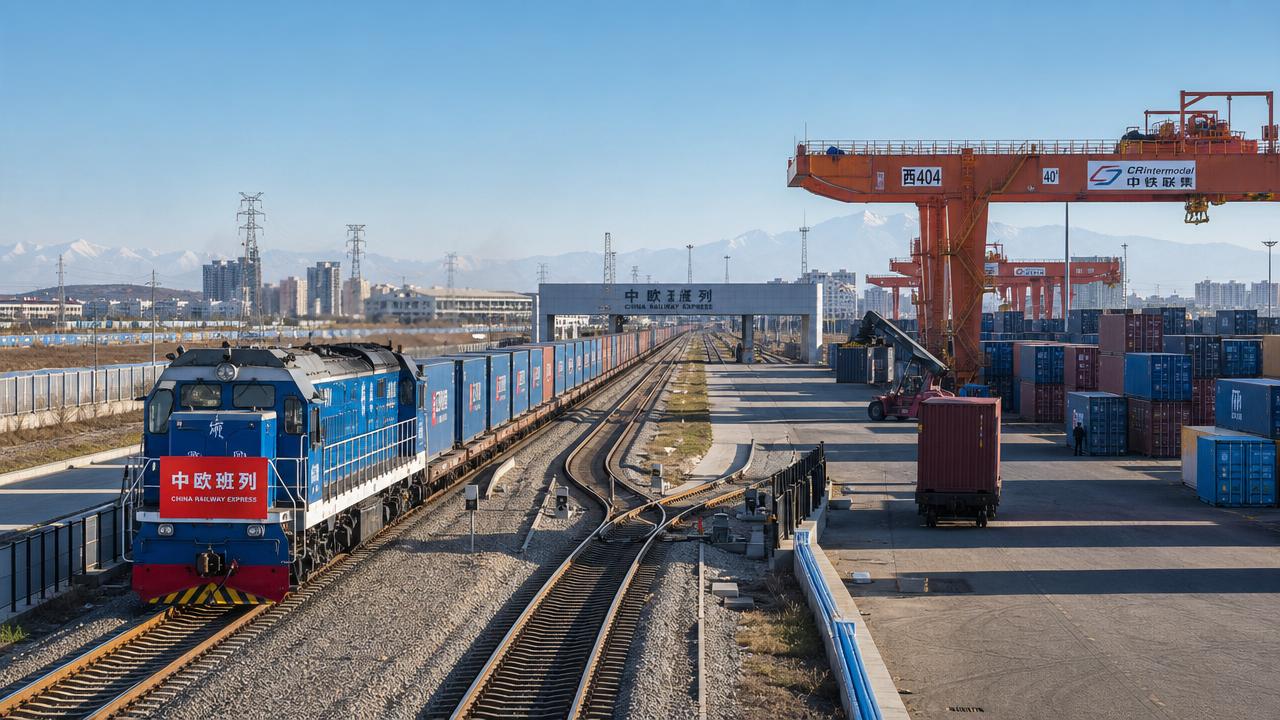
As cross-border rail networks evolve under policy shifts, capacity upgrades, and decarbonization targets, china europe railway express trends are becoming a strategic priority for business planning. In 2026, the real question is not only speed. It is corridor stability, customs performance, engineering readiness, digital visibility, and the ability to absorb disruption without destroying cost efficiency.
For organizations tracking Eurasian freight, the most useful view is scenario-based. Different routes, cargo types, border systems, and infrastructure conditions create different risks. Understanding how china europe railway express trends affect each operating scene will support better routing, investment timing, and network resilience decisions.
Why scenario judgment matters for china europe railway express trends in 2026
The China-Europe rail system is no longer defined by one corridor or one transit promise. It is a multi-node freight ecosystem shaped by terminals, border crossings, gauge changes, and national transport policy.
This makes china europe railway express trends highly uneven across use cases. Some routes benefit from infrastructure upgrades. Others face pressure from customs complexity, equipment imbalance, or political uncertainty.
A scenario approach helps compare where rail remains strongest. It also shows where engineering support, signaling modernization, and intermodal integration can create a competitive advantage over road or sea alternatives.
Key forces shaping the 2026 outlook
- Border efficiency and customs digitization will influence transit reliability more than headline route length.
- Terminal capacity and wagon turnover will affect service frequency and slot availability.
- Low-carbon transport targets will strengthen rail’s policy value in selected industries.
- ETCS, GSM-R, and wider signaling interoperability will improve safety and line capacity over time.
- Alternative corridors will gain attention where resilience matters more than the shortest timetable.
Scenario 1: Time-sensitive industrial cargo needs resilient transit, not only fast transit
One major scene involves machinery, automotive parts, electronics modules, and project components that need tighter lead-time control than sea freight can provide. Here, china europe railway express trends point toward resilience as the core metric.
In 2026, the best-performing services will be those with stable departure windows, predictable border processing, and strong contingency planning. A nominally faster route loses value when dwell time expands at inland hubs or transshipment points.
Core judgment points in this scenario
- How often do schedule changes occur during peak periods?
- Is wagon availability balanced in both directions?
- Can the route handle winter, congestion, or rerouting shocks?
- Does terminal infrastructure support rapid container handling?
Engineering quality matters here. Track maintenance cycles, axle load management, and signaling discipline shape whether rail can deliver dependable industrial performance across long continental distances.
Scenario 2: Low-carbon supply chains use rail as a compliance and branding lever
Another important scene centers on organizations under pressure to reduce logistics emissions. In this case, china europe railway express trends are tied closely to carbon accounting, modal shift policy, and ESG reporting.
Rail’s advantage becomes stronger when shippers need a middle path between maritime economy and airfreight urgency. In 2026, demand will likely rise for lanes that can provide auditable emissions data and consistent rail-first service models.
What matters most in this scene
The route must not only be available. It must provide measurable environmental value. Carbon claims without route transparency or digital documentation will become less credible.
This is where advanced rail systems gain importance. Smart signaling, better locomotive utilization, and efficient intermodal terminals can reduce idle time and improve energy efficiency across the corridor.
Scenario 3: Corridor diversification becomes essential when geopolitical risk rises
A third operating scene appears when established routes face policy uncertainty or sanctions-related complexity. Under this condition, china europe railway express trends favor diversification rather than dependence on a single transit path.
Attention will continue shifting toward middle corridor discussions, multimodal alternatives, and selective route splitting. These options may not always be cheapest, but they can strengthen continuity when a primary corridor becomes unstable.
Core judgment points in this scenario
- How many border interfaces are involved?
- What is the transshipment exposure across gauge breaks?
- Can digital tracking remain continuous across operators?
- Is there backup port or road integration when rail interruptions occur?
In this environment, policy intelligence and engineering intelligence must work together. Route resilience is built not only through diplomacy, but through interoperable systems, maintained assets, and flexible terminal design.
Scenario 4: Bulkier project cargo and engineered freight require infrastructure fit
Some freight does not fit standard assumptions. Oversized equipment, rail engineering machinery, energy components, and industrial assemblies create a separate scene. Here, china europe railway express trends depend heavily on physical compatibility.
Loading gauge, axle limits, siding access, cranage, and customs handling for non-standard cargo can determine route choice more than speed. A corridor may look attractive on paper but fail under real engineering constraints.
This is especially relevant in a market where railway hardware, maintenance equipment, and infrastructure components move across regions. Technical due diligence must come before booking strategy.
How different scenarios change demand across the rail corridor
Practical adaptation strategies for 2026 rail planning
The next step is converting china europe railway express trends into practical route governance. The most effective strategies combine operational data with infrastructure and policy signals.
- Track corridor performance by dwell time, not only published transit time.
- Qualify routes by customs digital maturity and documentation handoff quality.
- Review terminal handling capability for specialized or heavy cargo.
- Compare signaling modernization progress where long-term capacity matters.
- Maintain at least one alternative route model for disruption scenarios.
- Assess wagon, locomotive, and traction reliability through seasonal peaks.
For data-driven organizations, this is where technical intelligence providers add value. Engineering benchmarks, standards alignment, and corridor performance analysis help convert market noise into structured decisions.
Common misreads that distort china europe railway express trends analysis
A frequent mistake is treating all rail corridors as operationally similar. They are not. Border regimes, track conditions, signaling systems, and terminal design create major performance differences.
Another mistake is chasing the lowest quoted rate while ignoring hidden dwell costs. A cheap route with poor interchange discipline can erode inventory planning and service commitments.
It is also risky to discuss china europe railway express trends without watching infrastructure readiness. Capacity promises depend on maintained track, rolling stock availability, and interoperable communication systems.
Finally, some forecasts overemphasize one-year demand swings. The stronger signal for 2026 lies in structural factors: decarbonization policy, smart signaling investment, inland terminal upgrades, and corridor diversification logic.
Action steps to prepare for the next phase of Eurasian rail
A disciplined response to china europe railway express trends starts with route segmentation. Separate urgent industrial cargo, carbon-sensitive flows, diversified risk traffic, and engineered project freight into distinct planning models.
Then build an evaluation framework that combines transit reliability, customs efficiency, infrastructure fit, and digital visibility. This gives a more realistic picture than transit time claims alone.
For organizations needing deeper insight, technical platforms such as G-RFE can support this work through corridor intelligence, rail engineering benchmarks, signaling context, and infrastructure-focused analysis.
In 2026, the winners will not be those who simply follow volume headlines. They will be those who read china europe railway express trends through real operating scenarios and act before congestion, policy shifts, or infrastructure bottlenecks force reactive decisions.
Industry Briefing
Get the top 5 industry headlines delivered to your inbox every morning.