
How Raw Material Prices Change Wagon Cost Planning

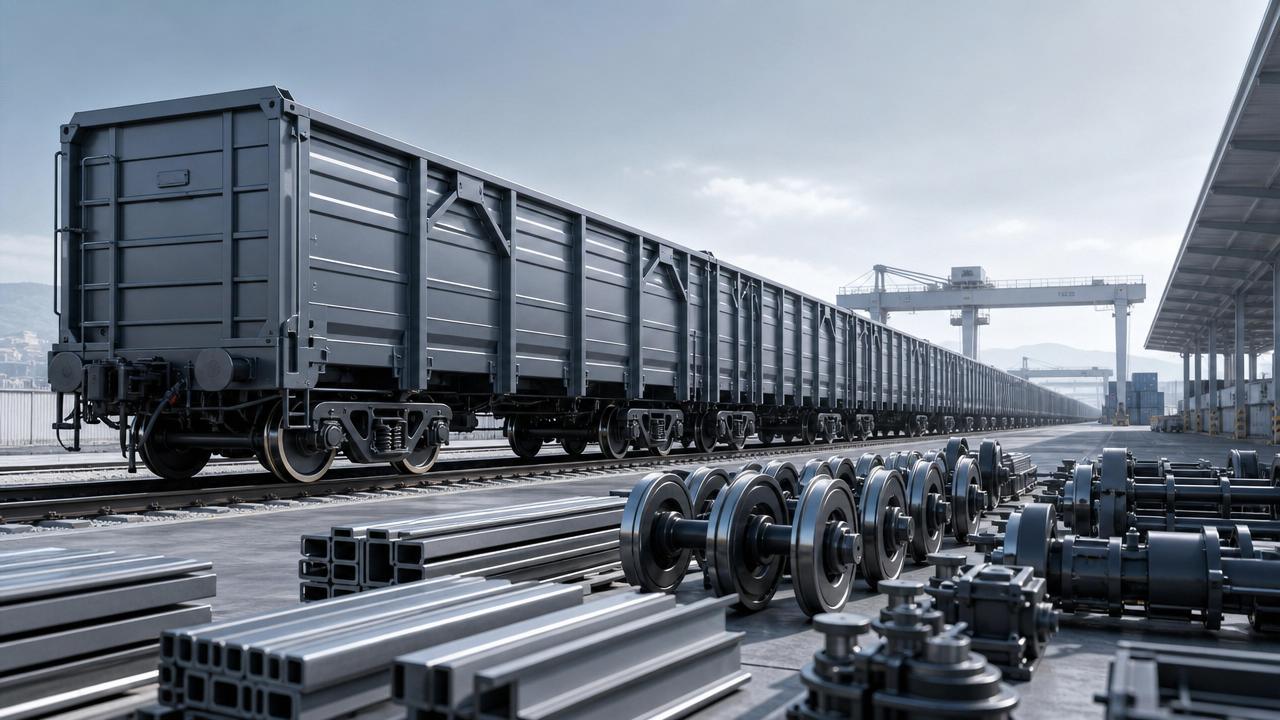
For railway freight investment planning, the impact of raw material on wagon costs is not a background issue. It directly affects budget approval, timing, supplier strategy, and long-term asset value.
When steel, aluminum, castings, wheelsets, and brake-related inputs move sharply, wagon cost planning can shift within one quarter. A seemingly stable project can face pressure on cash flow, return targets, and delivery schedules.
This is especially relevant in cross-border freight corridors, fleet renewal programs, and engineering-heavy rail expansion. In these settings, the impact of raw material on wagon costs should be tracked as a planning variable, not only as a procurement detail.
Why the planning context changes the impact of raw material on wagon costs
Not every wagon project responds the same way to material volatility. A replacement purchase behaves differently from a greenfield freight corridor or an export-focused manufacturing program.
The impact of raw material on wagon costs depends on design maturity, contract structure, delivery urgency, and technical specification. Projects using UIC, EN, or AAR compliance may also face different sourcing constraints.
In practical terms, raw material movement affects three layers. First comes direct manufacturing cost. Second comes supplier pricing behavior. Third comes lifecycle economics, including maintenance and residual value.
Key materials that drive wagon price sensitivity
- Structural steel for frames, bolsters, underframes, and side walls
- Aluminum for lightweight bodies and corrosion-sensitive applications
- Castings for couplers, draft gear housings, and bogie parts
- Forged and machined wheelset materials
- Brake system metals and specialized subcomponents
- Coatings, fasteners, and energy-linked fabrication inputs
Because wagon structures are material-intensive, even moderate price swings can influence approval models. The impact of raw material on wagon costs becomes stronger when projects involve high tonnage fleets or multi-year supply agreements.
Scenario 1: Fleet replacement programs need stable budgeting more than low spot prices
In replacement cycles, the core question is not only current purchase cost. It is whether the approved budget remains valid through tendering, production, and phased delivery.
Here, the impact of raw material on wagon costs often appears through delayed quotation revisions. Steel and casting changes may be absorbed briefly, then released in later bid rounds.
A common planning mistake is using one historical benchmark price. That approach ignores timing gaps between feasibility studies, technical clarification, and final contract signing.
Core judgment points in this scenario
- How much of the wagon bill of materials is steel-dominant
- Whether pricing is fixed, indexed, or partially adjustable
- How long the gap is between budget approval and first production lot
- Whether wheelset and bogie suppliers have separate escalation clauses
Scenario 2: New freight corridor projects face compound exposure across infrastructure and wagons
Greenfield rail-freight projects often combine wagon acquisition with track, signaling, terminals, and maintenance systems. In this case, material inflation does not stay inside the rolling stock line item.
The impact of raw material on wagon costs can intensify when the same commodities affect bridge steel, rail steel, civil packages, and workshop equipment. Capital planners then face portfolio-wide pressure.
This matters in intermodal corridors where timing is critical. If wagon procurement is delayed because material assumptions fail, terminal capacity and freight launch schedules can also move off plan.
Core judgment points in this scenario
- Whether material escalation is correlated across project packages
- Whether financing terms can absorb phased capex changes
- Whether launch deadlines justify early material hedging or reservation
- Whether corridor traffic forecasts support revised wagon utilization assumptions
Scenario 3: Lightweight or specialized wagons react differently to material movements
Not all wagons have the same material profile. Bulk wagons, container flats, tank wagons, and specialized high-capacity units can show very different cost behavior.
For lightweight designs, the impact of raw material on wagon costs may come more from aluminum or higher-grade steel. For tank or hazardous cargo units, certified components and fabrication complexity add another layer.
A lower wagon tare may improve payload economics, but the initial budget can become more sensitive to metal markets. That trade-off should be tested before approval, not after tender release.
Core judgment points in this scenario
- Whether weight reduction creates measurable freight revenue gains
- Whether specialized materials face import dependency
- Whether certification rules limit supplier substitution
- Whether lifecycle savings offset higher entry cost volatility
How scenario differences change wagon cost planning decisions
This comparison shows why the impact of raw material on wagon costs should never be handled with one fixed contingency rate. Different project settings require different approval logic.
Practical ways to adapt wagon cost planning under material volatility
A stronger planning process starts with cost decomposition. Separate structural metals, running gear, fabricated assemblies, imported components, and energy-sensitive processes.
That structure makes the impact of raw material on wagon costs visible by category. It also helps explain why total wagon prices can change faster than general inflation indicators.
Recommended planning actions
- Build three price cases: base, stressed, and high-volatility.
- Link each case to material indices and supplier lead times.
- Check whether specifications can allow equivalent materials without performance loss.
- Review contract clauses for escalation, validity period, and exchange-rate pass-through.
- Model lifecycle outcomes, not only purchase price, for lightweight or specialized wagons.
- Refresh assumptions before tender launch and again before award.
For technically complex programs, external intelligence can improve confidence. Data-led benchmarking across wagon types, standards, and regional sourcing patterns often reveals hidden cost drivers.
Common misjudgments that weaken approval quality
One common error is focusing only on steel headlines. The impact of raw material on wagon costs also includes castings, wheels, fabricated subassemblies, coatings, and freight-linked energy costs.
Another error is assuming supplier quotations fully reflect current markets. Some suppliers smooth volatility temporarily, then recover it through later revisions or reduced commercial flexibility.
A third error is ignoring schedule risk. If material spikes delay production slots or supplier commitment, total project value can erode even when unit price changes appear manageable.
There is also a strategic blind spot around standards compliance. UIC, EN, and AAR-aligned components may have narrower sourcing pools, increasing sensitivity during global commodity stress.
Next-step actions for more reliable wagon investment decisions
The impact of raw material on wagon costs should be reviewed at the same level as demand forecasts, route utilization, and technical compliance. It belongs in capital approval, not just supplier negotiation.
A practical next step is to map each wagon program by material intensity, contract timing, and standards constraints. Then compare those variables against likely market movement over the procurement window.
For organizations evaluating heavy-haul wagons, intelligent freight platforms, or corridor-linked fleets, structured technical intelligence supports clearer decisions. It turns raw material uncertainty into an analyzable planning factor.
When the impact of raw material on wagon costs is understood by scenario, budget resilience improves, procurement choices become smarter, and railway freight investments stand on firmer financial ground.
Industry Briefing
Get the top 5 industry headlines delivered to your inbox every morning.