
China-Europe Railway Express Trends That Are Changing Transit Choices

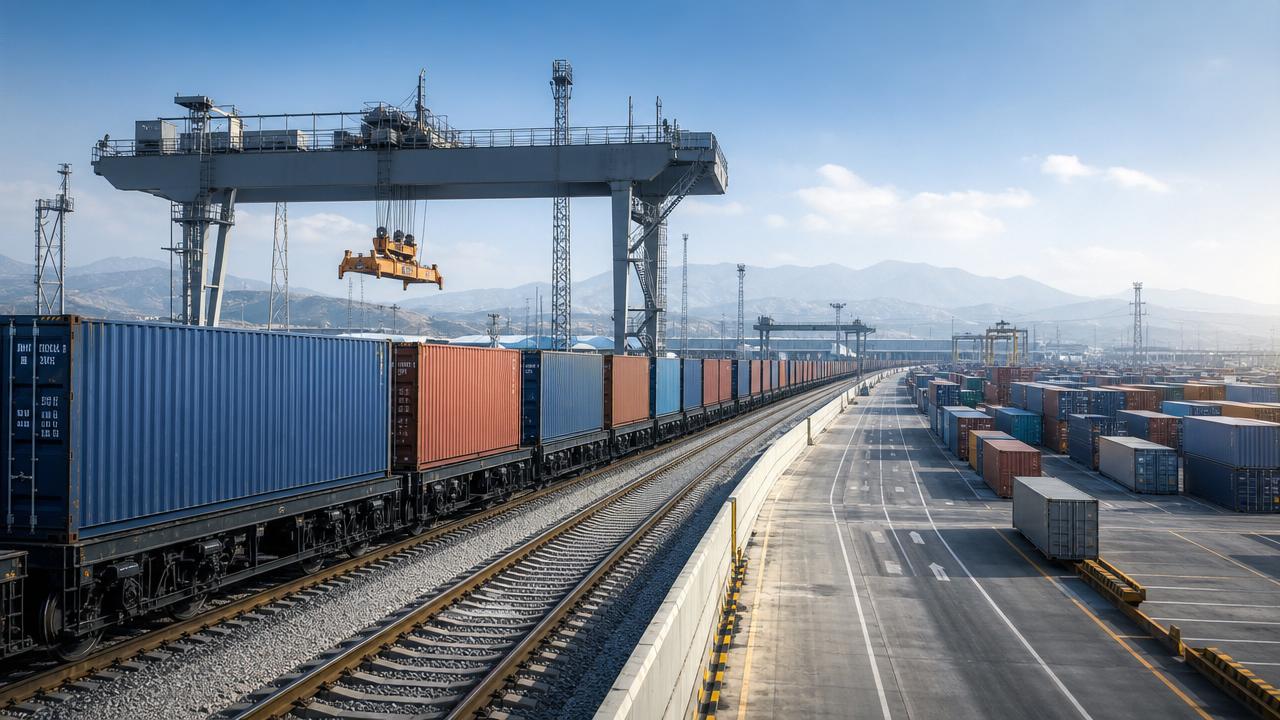
For project teams reassessing Eurasian freight planning, china europe railway express trends are changing how routes, budgets, and delivery commitments are judged. Rail is no longer a niche alternative between sea and air. It is becoming a strategic transit layer shaped by policy alignment, infrastructure modernization, intermodal coordination, and stricter reliability expectations across the broader supply chain.
These shifts matter because corridor choice now depends on more than headline transit time. Border efficiency, terminal productivity, wagon availability, digital visibility, customs predictability, and engineering standards increasingly influence final performance. In that context, understanding china europe railway express trends helps support better corridor planning, risk screening, and execution control.
Why china europe railway express trends are moving from optional insight to core planning input
Recent years have pushed rail decisions into a more technical and data-led phase. Shippers and corridor operators are comparing route resilience, not just advertised speed. That means evaluating hard infrastructure and operating systems together.
The most visible signal is diversification. Traffic assessment increasingly considers multiple border gateways, inland hubs, and terminal pairs. A single corridor assumption now looks risky when policy conditions or capacity constraints change suddenly.
Another signal is schedule discipline. Market participants now pay closer attention to train frequency, dwell time, gauge-change efficiency, and slot availability. This reflects a maturing market where consistency can outweigh isolated fast trips.
Technical standardization is also becoming more important. Signaling frameworks, axle load management, rolling stock compatibility, and terminal handling equipment all affect network performance. This is where engineering intelligence adds practical value to transit decisions.
The strongest trend signals behind current corridor shifts
Several trend signals explain why china europe railway express trends are reshaping modal and corridor choices across the comprehensive logistics sector.
- More selective use of rail for time-sensitive, mid-value, and planning-critical cargo.
- Higher focus on inland origin and destination connectivity, not only international trunk movement.
- Expanded use of digital tracking, milestone alerts, and cross-border documentation coordination.
- Growing importance of terminal automation and synchronized intermodal handoff capacity.
- Closer review of route exposure to customs delays, sanctions risk, and policy volatility.
- Stronger interest in lower-carbon transit compared with long-haul air alternatives.
Together, these signals show a market that values controllable performance. The conversation has shifted from “Is rail faster than sea?” to “Which rail corridor delivers the best operational certainty?”
What is driving china europe railway express trends today
The forces behind these changes are structural. They involve public policy, engineering capacity, terminal investment, and supply chain redesign. The table below summarizes the main drivers.
Within this environment, china europe railway express trends increasingly reflect a blend of civil infrastructure quality and operating governance. A fast corridor on paper may still underperform if data sharing or handoff procedures remain weak.
How these trends are changing route selection and cost logic
One major impact is the move from simple price comparison to total transit economics. Teams are calculating disruption exposure, inventory carrying cost, service predictability, and recovery options alongside base freight rates.
As a result, some rail services become more attractive even when nominal pricing is higher than sea freight. The value comes from shorter lead times, improved replenishment rhythm, and reduced pressure on buffer inventory.
At the same time, not all cargo should move by rail. The better use case often involves balanced urgency, moderate cargo value, stable packaging specifications, and access to efficient inland terminals.
Another important shift concerns corridor redundancy. Instead of relying on one preferred lane, planners are mapping backup options by border point, gauge transfer location, and destination terminal handling capacity.
Operational areas seeing the clearest change
- Transit time promises now include border and terminal variability assumptions.
- Tender evaluations increasingly ask for corridor resilience evidence.
- Network planning gives more weight to inland rail access quality.
- Exception handling plans now matter nearly as much as standard schedules.
Why engineering capability matters more within china europe railway express trends
A key lesson from current china europe railway express trends is that corridor performance depends on engineering readiness. Rolling stock reliability, maintenance windows, signal interoperability, and yard throughput all shape actual service quality.
That is especially relevant for institutions evaluating long-distance freight systems through technical standards such as UIC, EN, and AAR. Compatibility gaps can create hidden friction even when commercial offerings appear similar.
For example, locomotive availability influences recovery after delay. Terminal crane productivity affects dwell time. GSM-R or related communication frameworks support safer and more coordinated dispatching. Track maintenance quality directly affects speed stability and capacity use.
This is where data-driven technical platforms such as G-RFE add value. By connecting hardware benchmarking with signaling, safety, and intermodal engineering insight, route evaluation becomes more evidence-based and less dependent on broad assumptions.
What deserves close attention over the next planning cycle
The next phase of china europe railway express trends will likely reward organizations that monitor a focused set of performance indicators rather than chasing general market headlines.
- Gateway stability: Track border crossing productivity, inspection delays, and transshipment reliability.
- Terminal readiness: Review handling capacity, storage turnover, and crane or reach-stacker availability.
- Rolling stock utilization: Watch wagon supply tightness and locomotive maintenance exposure.
- Data visibility: Confirm milestone quality, exception alerts, and document status integration.
- Policy change sensitivity: Map how sanctions, customs adjustments, or subsidy changes affect route feasibility.
- Carbon reporting value: Assess whether rail supports internal emissions targets or contract advantages.
Practical judgment framework for responding to china europe railway express trends
A practical response should combine commercial review with engineering verification. The goal is not simply to shift more cargo to rail. The goal is to select the right corridor for the right service condition.
This framework supports more resilient decisions in a market where china europe railway express trends continue to evolve quickly. It also helps align transit selection with broader network strategy, not isolated shipment events.
A grounded next step for better Eurasian transit decisions
The most useful next step is to review active and planned lanes against current rail corridor assumptions. Compare them by border risk, terminal capability, tracking quality, and engineering support, not only by quoted transit days.
Where deeper technical validation is needed, use structured intelligence across locomotives, rolling stock, track systems, signaling, and intermodal nodes. That level of review turns china europe railway express trends into actionable planning guidance rather than background market noise.
As Eurasian land corridors become more connected and more demanding, better outcomes will come from decisions grounded in corridor data, engineering reality, and flexible execution design. That is the clearest way to respond to changing transit choices with confidence.
Industry Briefing
Get the top 5 industry headlines delivered to your inbox every morning.