
Automatic coupler wholesale mistakes that lead to fitment problems

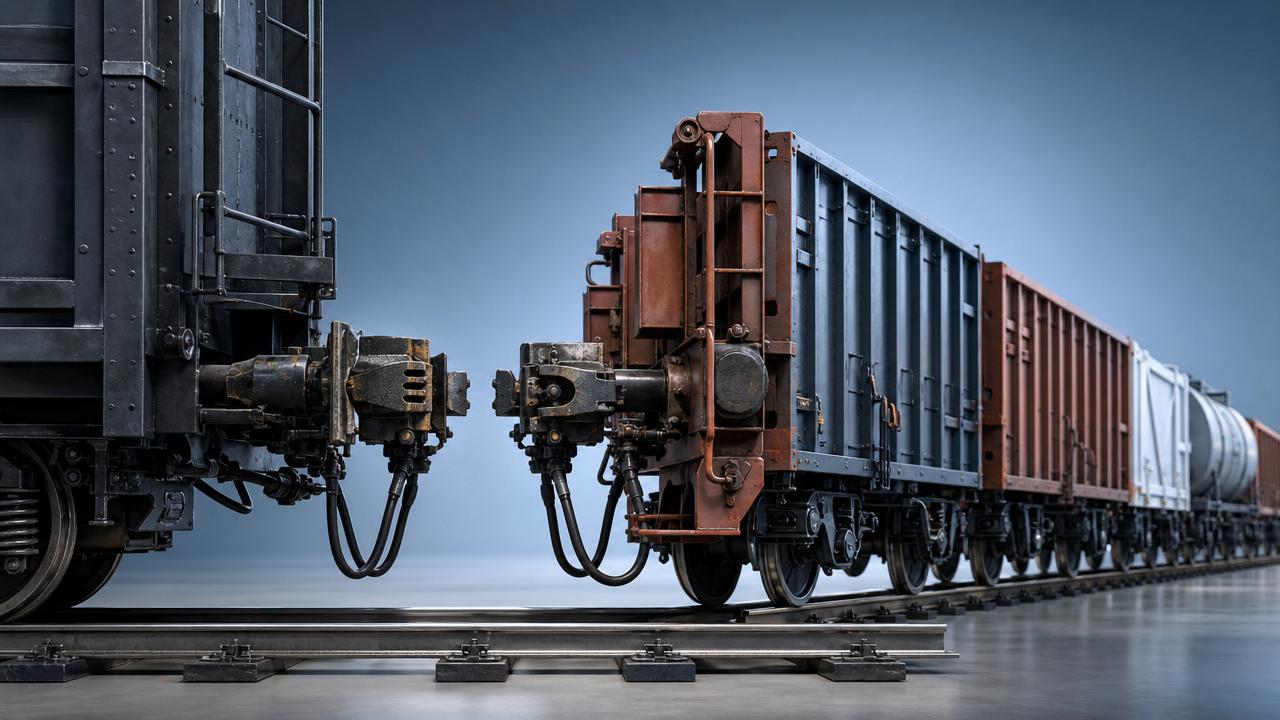
In automatic coupler wholesale, a small specification mismatch can create major fitment problems, unsafe operations, and costly downtime. For rail-freight systems, coupler compatibility affects availability, safety margins, and maintenance planning. This article explains the most common sourcing mistakes, shows where fitment risk appears in real operating scenarios, and outlines practical ways to improve accuracy, compliance, and long-term reliability.
Why fitment problems in automatic coupler wholesale become critical in rail-freight service
Automatic coupler wholesale is rarely just a price decision. In freight rail, couplers sit at the interface between rolling stock, draft gear, braking dynamics, and operational safety.
A coupler that “almost fits” can still fail in service. Height variation, contour differences, locking geometry, and incompatible knuckle movement often create hidden risks.
Those risks increase across mixed fleets. Wagons built to AAR practice, UIC-aligned systems, and regional adaptations may look similar while performing very differently.
For a data-driven platform such as G-RFE, the key issue is not only component supply. The real issue is matching hardware, standards, loading conditions, and corridor operating profiles.
Scenario check: when mixed fleets make automatic coupler wholesale decisions harder
Fitment problems often start in mixed-fleet environments. Legacy wagons, imported locomotives, and rebuilt stock may carry different coupler pockets, heights, and draft arrangements.
In this scenario, automatic coupler wholesale mistakes usually come from assuming visual similarity equals mechanical compatibility. That assumption leads to expensive retrofits later.
Key judgment points in mixed rolling stock corridors
- Coupler center height tolerance under loaded and empty conditions
- Draft gear stroke and yoke dimensions
- Knuckle profile, locking pin geometry, and wear limits
- Car body interface, pocket design, and mounting method
- Required compliance with AAR, UIC, EN, or project-specific standards
If any one of these points is skipped, automatic coupler wholesale can produce parts that pass receiving inspection but fail operational integration.
Scenario check: heavy-haul operations expose hidden wholesale selection errors
Heavy-haul service places extreme longitudinal forces on couplers. Coal, ore, aggregates, and intercontinental block trains generate loading patterns very different from standard freight.
In this context, automatic coupler wholesale errors often come from selecting by nominal size alone. Buyers may overlook fatigue class, material grade, and draft energy absorption capacity.
Core checks for heavy-haul fitment
The coupler must match train tonnage, axle load, curvature, and braking behavior. It must also suit the shock and buff forces generated during starting, stopping, and marshalling.
A technically correct part can still be operationally wrong. Heavy-haul lines need proof of lifecycle performance, not only dimensional conformity.
Scenario check: cross-border projects increase the risk of standard mismatch
Cross-border freight corridors create another common source of automatic coupler wholesale mistakes. Several systems may need to interact across different technical and regulatory environments.
A coupler approved in one network may not satisfy another network’s acceptance rules. Interchange conditions, rescue operations, and emergency recovery requirements can differ significantly.
What should be checked before ordering
- Applicable standard set: AAR, UIC, EN, national, or EPC specification
- Testing records for interoperability and endurance
- Traceability of castings, forgings, and heat treatment
- Interface compatibility with existing wagons and locomotives
- Maintenance tooling, spare parts, and inspection procedures
When automatic coupler wholesale is used for cross-border projects, documentation quality matters as much as hardware quality.
The most common automatic coupler wholesale mistakes that lead to fitment problems
The same errors appear repeatedly across freight, infrastructure, and rolling stock projects. Most of them are preventable with disciplined technical review.
1. Buying from drawings that are outdated or incomplete
Many fitment failures begin with old wagon drawings. Overhauls, field modifications, and previous replacements may have changed the actual interface dimensions.
2. Checking only coupler head dimensions
Automatic coupler wholesale decisions often focus on the visible head. Yet the fitment problem may sit in the shank, yoke, carrier, follower, or draft pocket.
3. Ignoring loaded-versus-empty height behavior
Static height checks are not enough. Suspension condition and payload variation can shift coupler alignment and cause poor engagement under real operating conditions.
4. Assuming one standard automatically covers another
AAR, UIC, and EN references are not interchangeable by default. Similar wording does not guarantee identical tolerances, tests, or interchange behavior.
5. Treating wear parts as universal
Knuckles, pins, locks, and draft elements can differ by model family. Minor geometry differences may create dangerous play or blocked movement.
6. Prioritizing low unit price over lifecycle evidence
Low-cost sourcing may hide poor metallurgy, inconsistent heat treatment, or weak traceability. These weaknesses often appear only after traffic enters full service.
How scenario-based requirements differ in automatic coupler wholesale
Practical fitment recommendations before placing automatic coupler wholesale orders
A stronger sourcing process reduces both technical and commercial risk. The best results come from combining dimensional verification, standards review, and operational evidence.
- Create a verified interface checklist for each wagon or locomotive type.
- Use actual field measurements, not archive drawings alone.
- Confirm loaded and empty coupler heights across representative vehicles.
- Request full material, testing, and traceability records.
- Review coupler, draft gear, and mounting system as one integrated assembly.
- Run pilot installation and coupling trials before volume release.
- Align technical specifications with corridor standards and maintenance practice.
This approach makes automatic coupler wholesale more predictable and lowers the chance of rework, claim disputes, and service interruption.
Common misjudgments that are often missed during review
Some fitment issues are not obvious at tender stage. They emerge later during installation, dynamic testing, or the first months of operation.
Overlooking maintenance ecosystem compatibility
Automatic coupler wholesale should include spare part availability, inspection gauges, disassembly tools, and repair procedures. Without them, maintenance delays can erase any purchase savings.
Ignoring corridor-specific environmental stress
Dust, low temperature, coastal corrosion, and high-cycle marshalling conditions influence wear and locking performance. Environment matters in fitment and service life.
Separating hardware review from operating rules
Train make-up rules, rescue procedures, and yard handling practice affect how a coupler performs. Wholesale selection should reflect real corridor operations.
Next steps for safer and more accurate automatic coupler wholesale
The safest automatic coupler wholesale strategy starts with a scenario-based technical review. Define the fleet condition, load profile, standard framework, and maintenance environment first.
Then validate dimensions, interfaces, materials, and tests against actual operating needs. Short pilot verification is usually cheaper than correcting large-volume fitment errors.
For complex freight corridors, G-RFE supports decision quality by linking railway hardware evaluation with international standards, interoperability concerns, and engineering performance benchmarks.
When automatic coupler wholesale is handled with disciplined technical intelligence, fitment problems become avoidable, lifecycle value improves, and rail-freight reliability becomes far stronger.
Industry Briefing
Get the top 5 industry headlines delivered to your inbox every morning.