
Which smart wagon sensor innovations solve real faults

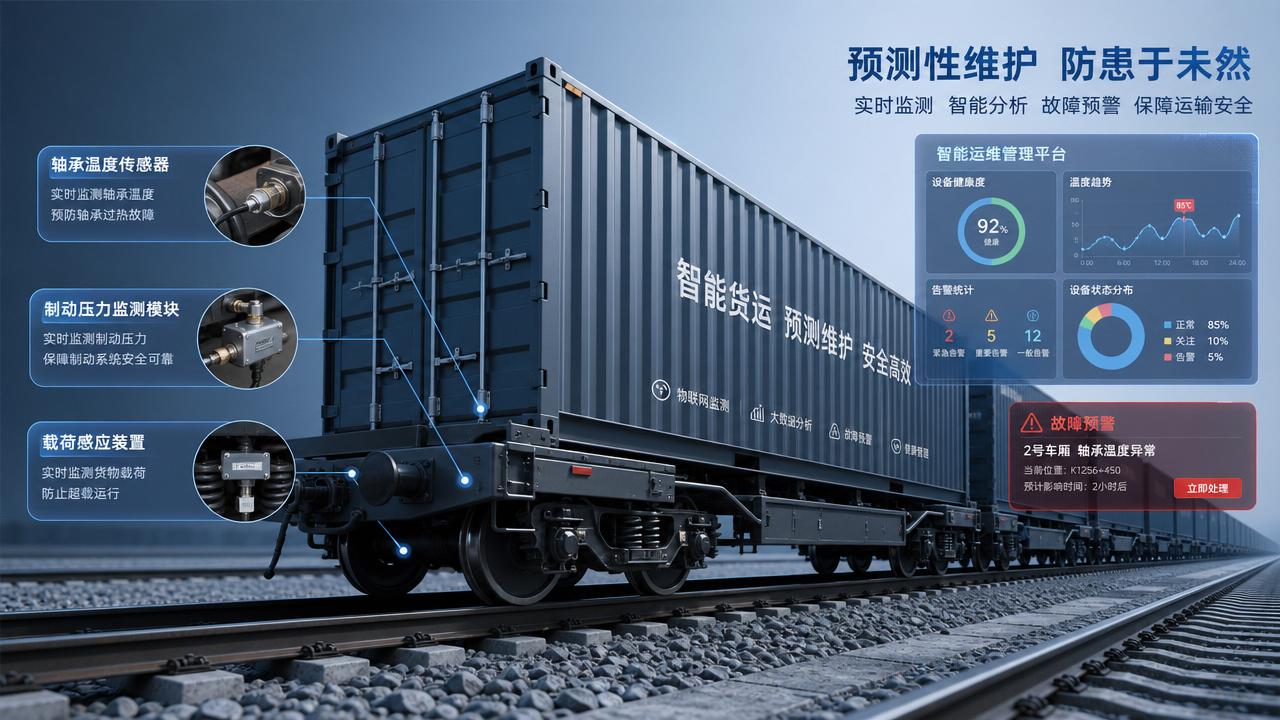
For after-sales maintenance teams, the real value of innovations in smart wagon sensors lies in preventing repeated faults before they stop freight movement. Modern freight wagons now use distributed sensing to monitor heat, braking response, axle behavior, load balance, impact events, and structural vibration. These systems do more than collect data. They help locate root causes faster, shorten inspection cycles, reduce workshop returns, and support safer wagon availability across long, heavy, and mixed-condition rail corridors.
What smart wagon sensors mean in practical maintenance terms
Innovations in smart wagon sensors refer to onboard devices and connected monitoring logic that detect fault signals early. They convert physical wagon conditions into usable maintenance alerts.
In railway-freight operations, the most useful innovations are not the most complex. They are the ones that solve recurring field problems with stable, readable, and actionable data.
Typical sensor families include temperature probes, brake pressure sensors, load cells, accelerometers, wheel and axle condition monitors, door status sensors, GPS units, and battery-health modules.
Their value increases when they connect with diagnostic rules, maintenance records, alarm thresholds, and communication standards used across rolling stock and infrastructure systems.
Core functions usually expected
- Early fault detection before visible failure appears
- Event recording for traceable maintenance decisions
- Condition-based inspection instead of fixed intervals
- Remote visibility for wagons crossing wide networks
- Safer wagon release after repair or overhaul
Current railway-freight faults driving sensor adoption
The strongest demand for innovations in smart wagon sensors comes from faults that repeat under real freight duty. These issues create delay, rework, and safety exposure.
These conditions matter across bulk minerals, containers, grain, chemicals, and intermodal traffic. In each case, fault timing is critical. A delayed alarm often turns a small defect into a network incident.
Which innovations in smart wagon sensors solve real faults
Not every digital feature improves maintenance. The most effective innovations in smart wagon sensors solve a clear fault path and support fast intervention.
1. Predictive bearing temperature monitoring
Older systems often reacted only after dangerous overheating. Newer sensors track temperature rise rate, ambient correction, and axle comparison, giving earlier warning with fewer false alarms.
This helps distinguish a true bearing fault from temporary heat caused by braking, weather, or load conditions.
2. Brake health sensing with event logic
Brake faults are often intermittent. Pressure sensors paired with motion data reveal slow release, leakage, partial actuation, and wagon-specific performance drift.
This cuts repeated manual checks and supports targeted component replacement instead of broad brake-system strip-down.
3. Dynamic load and suspension monitoring
Load cells and suspension sensors detect overloading, imbalance, and unusual transfer during transit. These signals expose hidden stress on bogies, springs, and wagon frames.
For heavy-haul corridors, this is one of the most practical innovations in smart wagon sensors because structural fatigue grows quietly over time.
4. Vibration fingerprinting for wheel and track interaction
Accelerometers now identify repeatable signatures linked to flat spots, hunting behavior, loose components, and impact loading. These patterns guide maintenance before visible damage expands.
The same data can also support track-side investigations when wagon behavior appears normal during depot inspection.
5. Low-power wireless architecture with onboard edge processing
Many past deployments failed because batteries drained quickly or data traffic was excessive. New designs process abnormal events locally and transmit only useful exceptions.
That makes sensor systems more sustainable across remote, long-distance, and cross-border freight networks.
Business value across freight operations and engineering systems
The business case for innovations in smart wagon sensors is strongest when maintenance, reliability, and network planning use the same condition signals.
- Lower unscheduled wagon removals during route operations
- Faster fault isolation inside workshops and depots
- Better spare-parts use through condition-based replacement
- Improved safety evidence for release-to-service decisions
- Longer life for wheelsets, bearings, brakes, and suspension parts
- More reliable data for compliance against UIC, EN, and AAR frameworks
Within integrated railway engineering, these advantages also support signaling reliability, port-rail timing, and corridor capacity planning. A failed wagon can affect far more than one trainset.
Typical wagon classes and the sensor priorities that matter
This variation shows why deployment should begin with fault history, not with generic digital ambition. The best sensor package depends on wagon duty and failure pattern.
Implementation considerations that prevent weak results
Even strong innovations in smart wagon sensors can underperform if practical deployment details are ignored.
Data quality before dashboard quantity
Alarm thresholds must reflect wagon type, route profile, weather range, and loading behavior. Generic limits often create false positives and technician distrust.
Mechanical installation discipline
Sensor placement, housing protection, cable routing, and sealing matter as much as software. Rail vibration, dust, water, and impact can destroy weak installations.
Interoperability with existing systems
Useful deployments connect with maintenance management, depot inspection records, wayside detectors, and fleet analytics. Isolated data streams rarely change repair outcomes.
Battery and lifecycle planning
Power strategy should match overhaul cycles. If battery replacement is harder than the fault being monitored, the sensor program becomes another maintenance burden.
A practical next step for evaluating smart wagon sensor upgrades
A sound evaluation starts with three years of failure records. Rank defects by safety impact, delay cost, repeat frequency, and diagnostic difficulty.
Then match each high-cost fault to the most relevant innovations in smart wagon sensors. Pilot only those functions that can prove earlier detection or shorter repair time.
For railway-freight engineering platforms such as G-RFE, the priority is clear. Sensor investment should strengthen wagon reliability, maintenance evidence, and corridor safety performance together.
When deployed with disciplined thresholds, rugged hardware, and maintenance integration, innovations in smart wagon sensors solve real faults instead of adding digital noise. That is the result that matters most in modern freight rail.
Industry Briefing
Get the top 5 industry headlines delivered to your inbox every morning.