
Rolling Stock Systems for Freight: What Matters Most

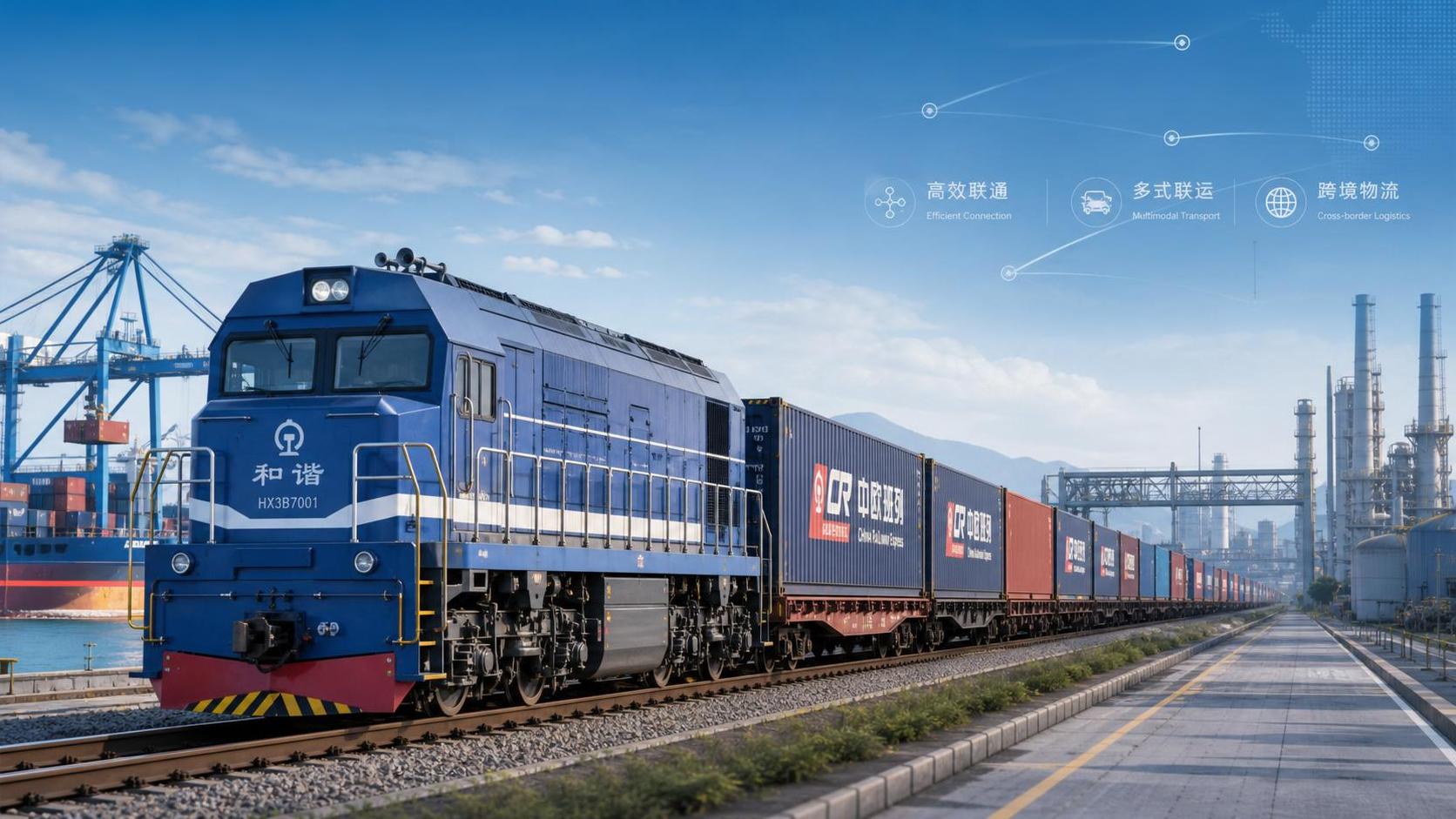
Rolling stock systems for freight now sit at the center of rail corridor performance. The decision is no longer limited to axle load or wagon count. It shapes turnaround time, maintenance exposure, safety margins, energy use, and the ability to move consistently across mixed networks.
That shift matters because freight rail is carrying a larger strategic burden. Corridors are expected to absorb port congestion, support lower-carbon transport goals, and connect industrial regions over longer distances. In that context, rolling stock systems for freight must be judged as operating systems for capacity, reliability, and compliance.
A practical view also requires looking beyond vehicles in isolation. G-RFE’s technical focus reflects this wider reality: locomotives, wagons, signaling interfaces, infrastructure limits, maintenance regimes, and interoperability standards all influence whether a fleet performs as intended in live service.
What the term really covers
In engineering terms, rolling stock systems for freight include the locomotive platform, freight wagons, brake architecture, couplers, bogies, onboard monitoring, and the digital interfaces that connect trains with operating rules and control systems.
That is why system choice should be treated as a network question. A high-capacity wagon design can underperform if brake response, wheel-rail behavior, loading geometry, or maintenance support are mismatched to route conditions.
Simple specification comparisons rarely tell the full story. The more useful comparison asks how each configuration behaves over gradients, terminal dwell cycles, harsh climates, mixed signaling environments, and varying infrastructure quality.
Why the industry is paying closer attention
Three pressures are driving deeper scrutiny. The first is corridor efficiency. Rail operators need more tons per path, faster train assembly, and fewer service interruptions without expanding infrastructure at the same pace.
The second is lifecycle discipline. Capital cost still matters, but unplanned wheelset work, brake system failures, spare part fragmentation, and downtime can outweigh a lower purchase price surprisingly quickly.
The third is compliance. Cross-border freight corridors increasingly depend on alignment with UIC, EN, and AAR references, plus local rules for loading gauge, signaling compatibility, emissions, and safety certification.
For this reason, rolling stock systems for freight are now evaluated through a broader technical lens. G-RFE’s benchmark approach is relevant here because performance claims only become meaningful when tested against real standards and corridor-specific constraints.
What matters most in system selection
Load capacity remains important, but it should not dominate the decision. A freight fleet that carries more on paper may still lose value if it drives track wear, limits route access, or increases yard handling complexity.
Usually, the strongest decisions are built around a balanced set of factors:
- Route compatibility, including axle load, curvature, gradients, bridge limits, and gauge envelope.
- Train handling performance, especially braking behavior, coupler forces, and stability under heavy-haul conditions.
- Maintenance model, covering parts commonality, workshop capability, inspection intervals, and condition monitoring.
- Energy and traction efficiency, particularly for long-haul operations with variable loads and climate conditions.
- Interoperability with signaling, communication, and safety frameworks across different operating territories.
- Terminal and intermodal fit, including loading equipment, discharge systems, and turnaround expectations.
This wider view explains why rolling stock systems for freight must be assessed at the corridor level. The right answer for bulk minerals may be weak for containers, automotive flows, or cross-border mixed freight.
Locomotive and wagon alignment
A common mistake is optimizing locomotives and wagons separately. Traction power, adhesion control, braking logic, wagon tare weight, coupler strength, and train length should be modeled together.
For heavy-haul operations, this is especially important. A 6000hp diesel-electric locomotive may look attractive, but its value depends on train mass profile, route gradient, thermal conditions, and fueling or servicing strategy.
Digital readiness
Freight rolling stock is becoming more intelligent. Sensor packages, remote diagnostics, brake health monitoring, and event recording can reduce failures and improve maintenance planning when the data architecture is coherent.
More worth noting is the interface with signaling and communications. On corridors using GSM-R, ETCS, or related control frameworks, rolling stock systems for freight should support operational consistency rather than create another integration burden.
Where system decisions create business value
The clearest gains appear in three places: network throughput, cost predictability, and service reliability. These outcomes are closely linked, and they are usually more important than headline procurement savings.
In actual use, value often comes from avoiding friction. A fleet that reduces terminal delays, supports predictable inspections, and fits existing maintenance capability can outperform a technically advanced but operationally awkward alternative.
Different freight tasks need different priorities
Rolling stock systems for freight should always be matched to cargo profile and route behavior. The wrong match usually shows up in handling delays, excess maintenance, or underused capacity.
Bulk and heavy-haul corridors
These operations prioritize axle load performance, coupler integrity, longitudinal force control, brake response, and rugged bogie design. Dust, heat, and repetitive loading cycles also place pressure on sealing, bearings, and inspection discipline.
Intermodal and port-connected flows
Here, turnaround speed and terminal compatibility matter as much as payload. Wagon flexibility, loading geometry, and rapid maintenance access can have a direct effect on schedule reliability across ports, dry ports, and inland hubs.
Cross-border mixed freight
This category places greater weight on interoperability. Brake standards, coupler arrangements, onboard communications, and compliance with multiple rulebooks can quickly become the decisive factors.
How to judge options more effectively
A strong evaluation process starts with corridor facts, not vendor brochures. Traffic mix, annual tonnage, train length policy, temperature range, infrastructure condition, and signaling context should be fixed before comparing configurations.
It also helps to test proposals against failure modes. Ask where the design is sensitive: wheel wear, brake fading, coupler shock, electronics exposure, data integration, or workshop skill gaps.
- Map the intended operating corridor in engineering detail.
- Separate mandatory compliance points from preferred performance features.
- Model lifecycle cost under realistic utilization and maintenance assumptions.
- Check component commonality across present and future fleet plans.
- Review interoperability early, especially for signaling and cross-border certification.
- Use benchmark references aligned with UIC, EN, and AAR expectations.
That last point is not administrative detail. Standards-based benchmarking makes it easier to identify whether a performance advantage is robust, limited to a narrow operating case, or likely to create downstream approval issues.
A practical next step
The most useful next move is to build a corridor-specific decision matrix for rolling stock systems for freight. Keep it grounded in route limits, maintenance reality, signaling interfaces, cargo behavior, and total lifecycle exposure.
From there, compare candidate systems against measurable operating outcomes rather than isolated specifications. That approach creates clearer tradeoffs, supports cleaner procurement decisions, and reduces the risk of expensive misalignment after deployment.
As freight rail networks become more integrated and more demanding, the question is not which platform looks strongest on paper. It is which rolling stock systems for freight can hold performance, compliance, and service continuity together across the full operating environment.
Industry Briefing
Get the top 5 industry headlines delivered to your inbox every morning.