
Railway Technical Intelligence Insights Shaping 2026 Fleet Planning

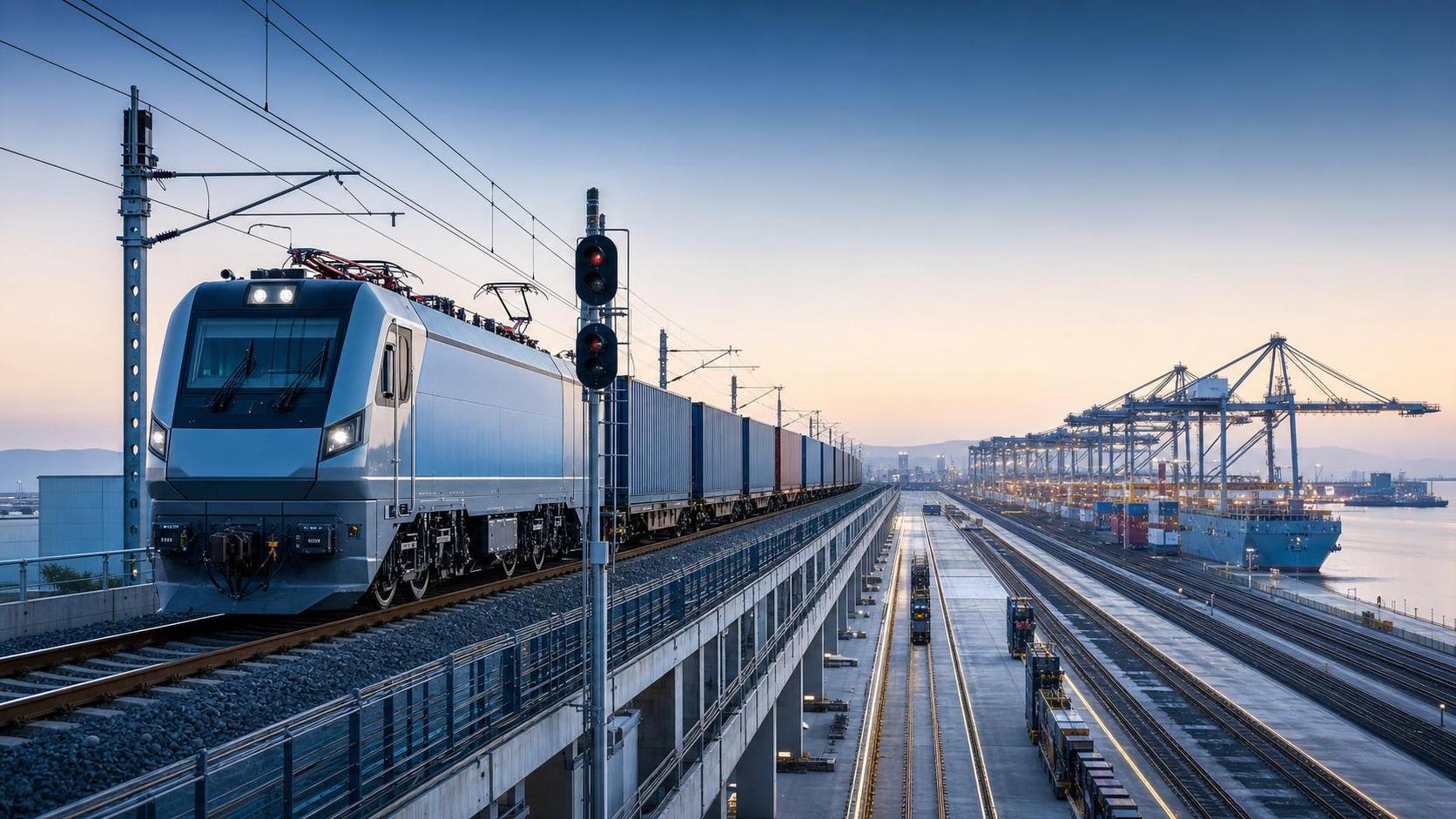
Railway Technical Intelligence Insights Shaping 2026 Fleet Planning is no longer a narrow procurement topic. It now sits at the intersection of capacity expansion, regulatory alignment, digital control, and lifecycle cost discipline across freight corridors.
As 2026 planning cycles tighten, railway technical intelligence insights help translate engineering data into better timing, better asset selection, and fewer downstream integration failures.
That matters most where heavy-haul rolling stock, signaling architecture, track conditions, and port interfaces must perform as one system rather than as separate purchases.
Why fleet planning is becoming more technical
Fleet planning used to focus heavily on locomotive counts, wagon volumes, and basic route demand. That frame is now too limited for cross-border freight networks and modern intermodal operations.
A locomotive decision now affects axle load strategy, braking performance, signaling compatibility, maintenance windows, fuel or energy planning, and terminal throughput.
The same applies to wagons. Intelligent freight wagons generate operational data, but they also introduce communication, cybersecurity, and maintenance standardization questions that need early review.
In practical terms, railway technical intelligence insights reduce the risk of buying assets that look strong on paper but create hidden constraints once deployed.
What railway technical intelligence insights actually cover
The phrase is broader than market reporting. It combines engineering benchmarks, regulatory interpretation, asset performance data, corridor constraints, and supplier capability signals.
For freight rail, useful railway technical intelligence insights usually connect five layers of judgment rather than one isolated metric.
- Traction and rolling stock performance under real operating loads
- Track and infrastructure readiness for heavier or faster movements
- Signal, communications, and safety system compatibility
- Intermodal handoff efficiency at ports, yards, and inland terminals
- Maintenance machinery availability and renewal planning
This is the space where G-RFE has strategic relevance. Its structure across locomotives, infrastructure, signaling, rail-port systems, and specialized engineering machinery reflects how fleet decisions are actually made.
That integrated view is especially important for organizations comparing assets against UIC, EN, and AAR expectations while also dealing with local corridor realities.
The 2026 signals that deserve closer attention
Higher utilization, not only higher volume
Many networks are not planning around pure fleet expansion. They are planning around more tonnage per path, lower dwell time, and tighter asset rotation.
That changes the value of traction reliability, wagon condition monitoring, and turnaround performance at transfer nodes.
Compliance pressure is becoming design pressure
Safety and interoperability requirements are moving upstream. They influence specification writing, software architecture, braking systems, radio communication, and inspection routines before contracts are signed.
Railway technical intelligence insights are useful here because they expose where regulatory alignment looks straightforward but operational compliance remains difficult.
Maintenance capability is now a procurement filter
Advanced locomotives and digital wagons can improve control and visibility. They can also fail to deliver value if depots, parts supply, and diagnostic tooling remain underprepared.
For 2026 planning, maintainability should be screened as early as horsepower, payload, and speed class.
Where the main decisions usually get complicated
Complexity rarely comes from one major question. It usually appears when several moderate issues interact across the same corridor investment.
The value of railway technical intelligence insights is that they bring these issues together before they turn into fragmented contract disputes or low-performing assets.
A system view matters more than an asset view
The strongest 2026 fleet plans are likely to be system-led. That means evaluating locomotives, wagons, signaling, track, and terminal operations as linked performance variables.
A 6000hp diesel-electric locomotive may benchmark well internationally. Yet its value changes if route gradients, refueling logistics, emissions expectations, or signaling interfaces differ from the original use case.
Likewise, intelligent wagons can improve visibility and condition control. They create stronger returns where the data feeds dispatching, maintenance planning, and terminal sequencing in a coordinated workflow.
This is why G-RFE’s cross-pillar model is useful as a reference frame. It reflects the operational truth that corridor performance depends on engineering coherence, not isolated equipment excellence.
How to apply these insights in real planning work
Start with corridor constraints, not supplier catalogs
Define route gradients, axle load limits, signaling baseline, terminal interfaces, maintenance access, and target train length before shortlisting equipment families.
This makes railway technical intelligence insights actionable rather than descriptive.
Test standards against operating reality
Compliance with UIC, EN, or AAR standards is essential, but it should not end the evaluation. Standard compliance does not automatically guarantee route fit, interoperability ease, or maintenance readiness.
Build lifecycle evidence into comparison models
Upfront unit cost often hides the real tradeoff. Better comparison models include energy or fuel consumption, component wear, software support, inspection burden, and parts localization.
Check the terminal side early
Fleet gains disappear quickly when ports, yards, or inland transfer points cannot absorb train frequency, load profile, or data exchange requirements.
What to watch over the next planning cycle
Three themes will likely shape the next round of railway technical intelligence insights.
- More demand for benchmarked heavy-haul assets that can prove route-specific efficiency
- Closer scrutiny of digital signaling and communication interfaces across mixed fleets
- Stronger interest in maintenance machinery that protects possession time and asset longevity
The common thread is disciplined integration. Assets will be judged less by isolated specification strength and more by how cleanly they fit the corridor, the standards framework, and the operating model.
A practical next step for 2026 decisions
A useful next step is to map every planned fleet decision against five checks: corridor fit, standards alignment, interface readiness, maintenance capability, and terminal impact.
That simple structure turns railway technical intelligence insights into a working evaluation method rather than a passive information stream.
For 2026 fleet planning, the strongest position will come from comparing assets in context, challenging assumptions early, and using technical intelligence to connect procurement choices with long-term corridor performance.
Industry Briefing
Get the top 5 industry headlines delivered to your inbox every morning.