
Transportation Equipment News: What Rising Freight Demand Means

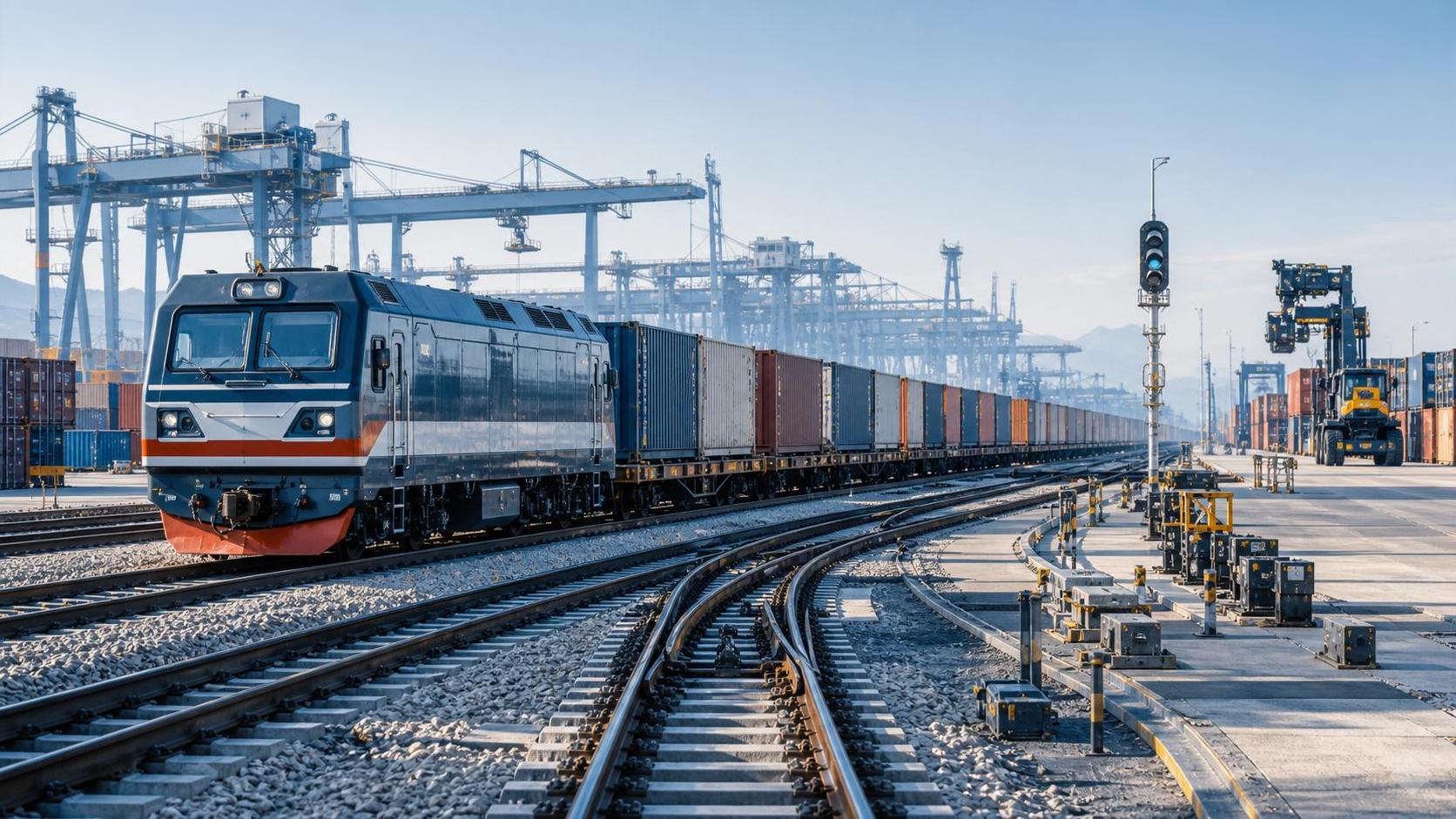
In current transportation equipment news, rising freight demand signals more than stronger cargo volumes. It reveals pressure points across rail assets, network design, compliance systems, and intermodal coordination.
That matters because freight growth can improve asset utilization, yet it can also expose weak links in locomotives, wagons, track condition, signaling logic, and terminal throughput.
For organizations tied to trade corridors, the real question is not whether demand is rising. It is whether transport infrastructure and operating models can absorb that demand without creating delays, safety risks, or stranded capital.
Why rising freight demand has become a strategic issue
Freight expansion usually begins as a positive market story. More commodities move, manufacturing output strengthens, and inland logistics corridors become more valuable.
Yet transportation equipment news increasingly shows that growth alone does not guarantee better performance. Capacity can tighten faster than fleets or infrastructure can adapt.
Rail is central in this shift because it handles heavy loads over long distances with lower emissions intensity than many road-based alternatives. As governments and operators push toward higher-capacity land transport, rail freight becomes both a commercial tool and a policy instrument.
This is where a technical intelligence perspective becomes useful. G-RFE focuses on the engineering, regulatory, and operational layers that determine whether freight growth becomes a durable advantage or a source of recurring disruption.
What transportation equipment news is really measuring
At surface level, transportation equipment news reports equipment orders, fleet upgrades, traffic increases, and infrastructure spending. In practice, those signals point to deeper system conditions.
When freight demand rises, networks are judged by several linked questions. Can locomotives pull heavier loads efficiently? Can wagons support faster turnaround? Can track and signaling sustain more frequent operations?
A corridor may appear strong on paper while still underperforming in service. One missing maintenance cycle, one outdated communication layer, or one congested terminal can reduce the benefit of new rolling stock.
That is why transportation equipment news should not be read as isolated headlines. It is best understood as a real-time indicator of system readiness.
The rail assets and systems under the most pressure
Rising freight volumes do not affect every asset equally. Pressure tends to accumulate in areas where utilization was already high and redundancy was already limited.
Rolling stock and locomotive performance
Heavy-haul locomotives face greater demands on traction, fuel efficiency, emissions control, and maintenance intervals. Intelligent freight wagons also matter more when operators need better load visibility and faster dispatch decisions.
In transportation equipment news, fleet expansion looks impressive, but fleet quality often matters more than fleet count. Underpowered or poorly matched assets can create bottlenecks instead of solving them.
Track, maintenance, and network resilience
More trains mean more wear. Track geometry, axle-load tolerance, turnout reliability, and maintenance windows become strategic variables rather than background engineering topics.
Specialized rail engineering machinery becomes increasingly relevant here. Automated track-laying and maintenance systems can reduce downtime and improve consistency where freight corridors cannot afford extended service interruptions.
Signaling and digital communication
As density rises, signaling becomes a capacity tool, not just a safety layer. CBTC, ETCS, and GSM-R frameworks influence headways, dispatch precision, fault response, and cross-border interoperability.
This is one reason transportation equipment news increasingly overlaps with digital infrastructure news. Equipment value depends on how well physical assets and control systems work together.
Why intermodal performance now shapes equipment decisions
Freight demand is rarely a single-mode issue. Cargo may start at a factory, move by truck, shift to rail, pass through a port, and continue across borders under different regulatory conditions.
That makes intermodal rail-port systems a decisive factor in transportation equipment news. A high-performance locomotive delivers limited value if port handoff times remain slow or terminal scheduling lacks visibility.
The most competitive corridors are not simply buying larger fleets. They are aligning wagon design, yard processes, crane timing, customs interfaces, and digital communication standards.
In other words, freight growth rewards integrated systems thinking. Equipment selection now has to reflect corridor behavior, not just standalone asset specifications.
How to read the business impact behind the headlines
A useful way to interpret transportation equipment news is to separate demand signals from execution signals. Rising cargo volume is the demand side. Reliability, compliance, and cycle time are the execution side.
This framework helps move beyond headlines. It connects freight growth to return on infrastructure, asset productivity, and risk exposure across the corridor.
Standards and benchmarking are becoming more important
As demand grows, tolerance for mismatch becomes smaller. Equipment and systems must work across operational, environmental, and regulatory boundaries.
That is why benchmarking against UIC, EN, and AAR standards has practical value. It helps compare assets and subsystems using a common technical language.
For cross-border rail corridors, standard alignment also reduces hidden risk. It supports procurement discipline, easier integration, and more predictable lifecycle performance.
G-RFE’s five-pillar structure is relevant in this context because demand growth rarely stays inside one technical category. Rolling stock, track, signaling, port systems, and engineering machinery influence each other continuously.
Practical ways to evaluate the next phase of freight growth
Transportation equipment news is most useful when it improves internal judgment. The goal is not only to track market momentum, but to identify where pressure will appear next.
- Check whether freight growth is concentrated on specific corridors, cargo classes, or seasonal peaks.
- Compare locomotive horsepower, wagon design, and maintenance cycles against actual network loading patterns.
- Review signaling and communication upgrades as capacity investments, not only compliance projects.
- Assess intermodal handoff points, especially rail-port links, yard dwell times, and digital visibility gaps.
- Use standard-based benchmarks to test whether planned upgrades fit long-term corridor requirements.
Usually, the strongest decisions come from linking commercial forecasts with engineering constraints early. That prevents overinvestment in one area while a hidden bottleneck remains unresolved elsewhere.
What to watch next in transportation equipment news
The next phase of transportation equipment news will likely focus less on simple volume growth and more on quality of adaptation. Markets will watch how corridors absorb demand under tighter efficiency and sustainability expectations.
That means looking closely at heavy-haul locomotive deployment, intelligent wagon adoption, track maintenance automation, signaling interoperability, and terminal integration.
Where freight demand is climbing, the most useful next step is a corridor-level review. Map asset stress points, compare system readiness against recognized standards, and test whether equipment strategy matches actual operating conditions.
Viewed this way, transportation equipment news becomes more than industry commentary. It becomes a practical lens for deciding where resilience, capacity, and long-term value should be built next.
Industry Briefing
Get the top 5 industry headlines delivered to your inbox every morning.