
Food Manufacturing Cost Risks in 2026 Supply Planning

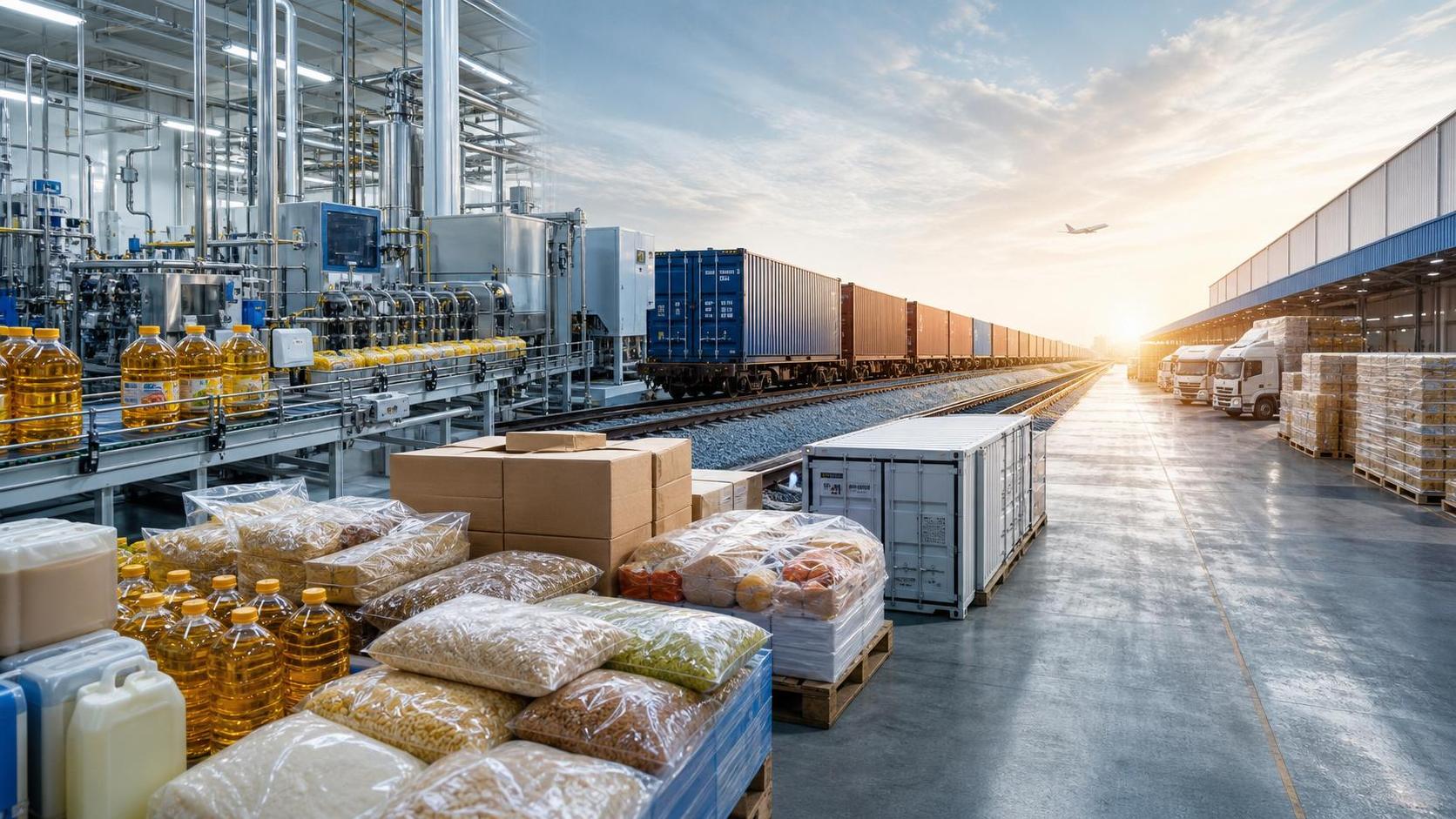
Food Manufacturing Cost Risks in 2026 Supply Planning
In 2026, food manufacturing enters a tougher cost cycle than many planning teams expected.
Energy, freight, labor, ingredients, packaging, and compliance costs are moving together, not separately.
That matters because small cost shifts can quickly compress margins across a food manufacturing network.
For supply planning, the real issue is not only inflation.
It is the combination of volatility, timing gaps, and uneven supplier resilience.
In practical terms, food manufacturing leaders now need sharper procurement discipline and faster scenario planning.
The companies that respond early will protect service levels while buying more intelligently.
Why 2026 Looks Different for Food Manufacturing
Recent changes show a more complex cost picture for food manufacturing than a standard annual budget can capture.
Input categories are increasingly linked through fuel exposure, climate shocks, labor shortages, and regulation.
A spike in diesel can raise farm costs, inland transport rates, cold-chain expenses, and packaging deliveries.
At the same time, tighter food safety enforcement can add testing, traceability, and documentation costs.
This means food manufacturing cost risk is broader than raw material inflation alone.
It now includes execution risk across suppliers, logistics partners, plants, and contract manufacturing sites.
The Main Cost Pressures Reshaping Supply Plans
- Ingredient volatility remains high for oils, grains, dairy inputs, sugar, cocoa, and functional additives.
- Energy costs stay unstable, especially for heating, refrigeration, drying, and continuous processing lines.
- Transport costs fluctuate with fuel, rail capacity, driver availability, port congestion, and regional disruptions.
- Packaging costs rise through resin, paper, aluminum, and sustainability compliance requirements.
- Labor costs increase because overtime, retention programs, and specialized maintenance skills are harder to control.
- Compliance costs expand through audits, labeling changes, emissions reporting, and supplier traceability demands.
Where Food Manufacturing Margins Get Hit First
Not every cost increase hurts in the same way.
In food manufacturing, the earliest damage often appears where planning assumptions are still too static.
The first weak point is forecast accuracy.
If demand shifts toward lower-margin formats, procurement may lock volume at the wrong mix.
The second weak point is purchase timing.
Buying too early can trap working capital.
Buying too late can expose food manufacturing operations to spot-market pricing and service failures.
The third weak point is network rigidity.
Plants designed for narrow sourcing windows struggle when supply routes or ingredient specs suddenly change.
High-Risk Areas to Review Immediately
How Transport and Infrastructure Influence Food Manufacturing Costs
Transport is becoming one of the most underestimated food manufacturing cost variables.
This is especially true when sourcing spans ports, inland terminals, processing plants, and regional distribution hubs.
From a strategic view, freight mode selection now affects more than delivery speed.
It also shapes landed cost visibility, inventory buffers, and disruption recovery time.
For bulk ingredients and packaging flows, rail-connected corridors deserve closer attention in 2026 planning.
Reliable rail-freight networks can lower fuel sensitivity compared with long-haul road dependence.
They can also improve schedule consistency for high-volume movements between ports and inland processing clusters.
In food manufacturing, that can support more stable replenishment and fewer emergency transport premiums.
A Practical Sourcing Lens for Logistics Choices
The best logistics decision is rarely the cheapest rate on paper.
It is the option that protects service while reducing total cost volatility.
- Compare road, rail, and intermodal choices by landed cost, damage risk, and lead-time reliability.
- Map which ingredients can shift modes without harming shelf life or production timing.
- Review whether supplier locations align with resilient freight corridors, not only purchase price.
- Use transport data in S&OP reviews, rather than treating freight as a separate operational issue.
Smarter Procurement Moves for Food Manufacturing in 2026
Stronger supply planning does not require predicting every market move.
It requires building decisions that stay workable under different cost scenarios.
For food manufacturing, that starts with clearer segmentation.
Not every input should be bought with the same contract logic, inventory policy, or supplier scorecard.
Five Moves That Improve Cost Control
- Segment spend by risk, not only by value. Critical inputs need different buying rules than routine commodities.
- Blend contract structures. Use fixed, indexed, and flexible agreements where each fits best.
- Shorten review cycles. Quarterly assumptions are often too slow for food manufacturing cost changes.
- Pre-approve substitute materials and alternate pack formats where regulation allows.
- Link procurement, production, and logistics data in one decision rhythm.
These steps help food manufacturing teams react before volatility turns into margin loss.
They also create better negotiating leverage because supplier discussions become fact-based and forward-looking.
What Decision-Makers Should Track Each Month
Good planning depends on using a small set of indicators consistently.
Too many dashboards often slow action instead of improving it.
For food manufacturing, the most useful signals usually combine cost, continuity, and responsiveness.
- Ingredient cost movement versus contracted coverage.
- Energy cost per unit across key process lines.
- Freight cost by lane, mode, and service reliability.
- Supplier OTIF, quality performance, and recovery speed.
- Inventory days for critical items and approved substitutes.
- Margin sensitivity by SKU when major inputs change.
This kind of monthly review makes food manufacturing supply planning more proactive and less reactive.
It also helps leadership see where cost pressure is temporary and where structural action is needed.
Final Take: Build Flexibility Before Costs Force It
The biggest 2026 risk in food manufacturing is assuming volatility will stay manageable on its own.
More often, margin pressure builds quietly across ingredients, utilities, transport, and compliance at the same time.
That is why supply planning needs more than annual sourcing targets.
It needs scenario-based buying, stronger logistics design, and faster cross-functional decisions.
For food manufacturing, the most practical next step is simple.
Review the top ten cost drivers, test alternate sourcing and freight options, and reset trigger points for action.
When that work starts early, cost risk becomes easier to manage and supply performance becomes harder to disrupt.
Industry Briefing
Get the top 5 industry headlines delivered to your inbox every morning.