
Traction Inverter Power Density: What Improves Efficiency Most?

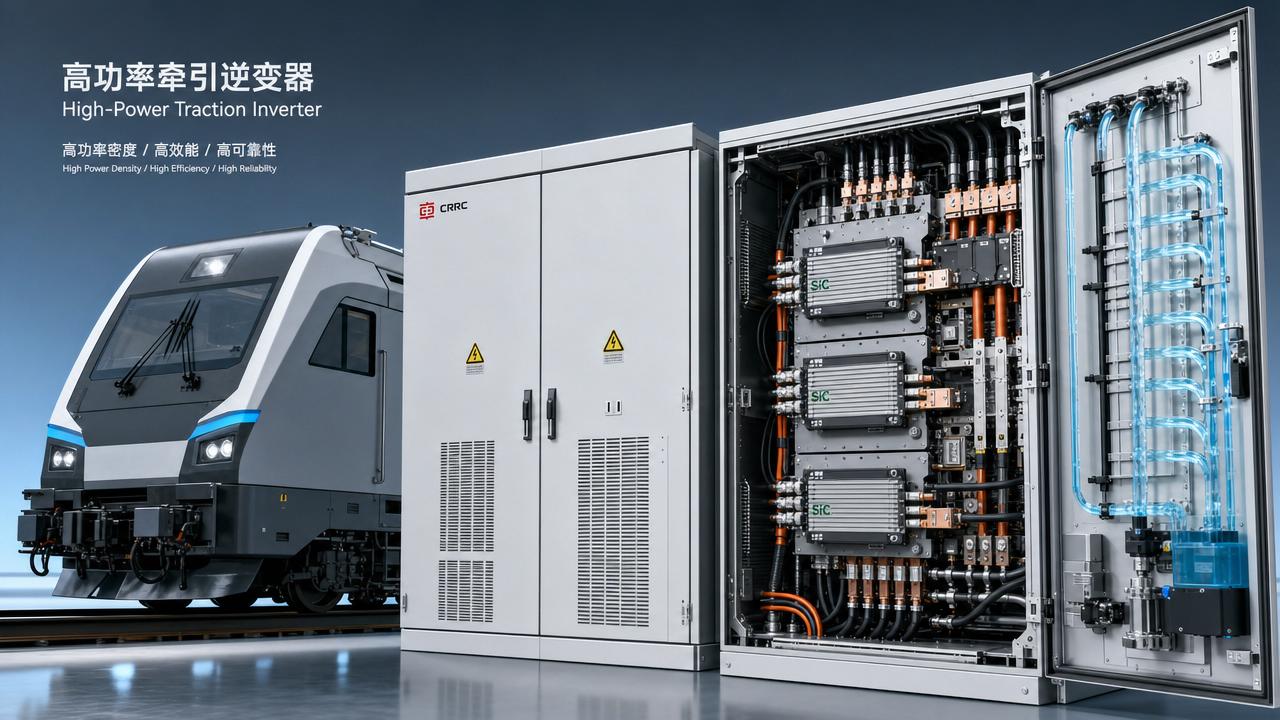
Why Traction Inverter Power Density Matters in Rail Efficiency
For technical evaluation in rail traction, traction inverter power density is never just about making hardware smaller. It affects losses, cooling behavior, axle load, enclosure layout, maintenance access, and long-run system stability.
In heavy-haul and intercontinental freight applications, those trade-offs become sharper. Locomotives need higher continuous output, stricter thermal control, and better compliance with UIC, EN, and AAR expectations.
That is why G-RFE analysis usually treats traction inverter power density as a system-level benchmark, not a catalog number. A denser inverter only helps when efficiency, cooling, insulation, and serviceability improve together.
The first things worth checking
- Start with switching device technology. SiC usually improves traction inverter power density by cutting switching losses, shrinking passive components, and allowing higher frequency without the same thermal penalty.
- Check cooling architecture before comparing cabinet size. A compact package looks strong on paper, but poor airflow or uneven liquid cooling can erase efficiency gains under continuous freight duty.
- Review DC link and busbar layout carefully. Lower parasitic inductance supports higher traction inverter power density, reduces voltage overshoot, and improves switching stability at demanding load cycles.
- Ask for efficiency maps, not peak values. Real improvement comes from strong part-load and continuous-load performance across speed bands, gradients, ambient changes, and regenerative braking conditions.
- Verify thermal margins at enclosure level. A design with high traction inverter power density must keep junction temperature, insulation stress, and hotspot distribution under control during long uphill operation.
- Compare service intervals and replacement logic. If denser packaging makes modules harder to inspect or swap, lifecycle efficiency may worsen even when electrical efficiency improves.
What Improves Efficiency Most in Practice
The short answer is simple. Semiconductor choice, thermal path quality, and control strategy usually matter more than enclosure volume alone.
In freight locomotives, the best traction inverter power density results often come from balanced design. Chasing one metric too aggressively can raise harmonic stress, cooling burden, or maintenance complexity.
High-impact improvement points
- Use SiC where duty cycle justifies it. In higher-voltage rail platforms, it often lifts traction inverter power density while improving switching efficiency and reducing cooling system mass.
- Optimize modulation and control logic. Better PWM strategy, dead-time control, and current regulation can cut losses measurably without changing cabinet dimensions or inverter topology.
- Reduce thermal resistance through the full stack. Module attachment, cold plate contact, coolant quality, and flow distribution all influence whether added power density stays efficient.
- Trim passive component volume intelligently. Smaller capacitors or filters help traction inverter power density only when ripple current, EMC behavior, and rail signaling compatibility remain acceptable.
- Improve mechanical integration with the locomotive. Shorter cable runs, cleaner grounding, and better cabinet zoning reduce electrical loss and simplify thermal management under vibration.
- Benchmark continuous performance, not brochure performance. Freight corridors expose weak thermal design quickly, especially where long gradients and regenerative cycles stress the inverter repeatedly.
A Practical Comparison Framework
A useful review does not start with one number. It compares how traction inverter power density interacts with efficiency, cooling demand, weight, and compliance risk.
This kind of comparison is especially relevant for G-RFE projects. Freight corridors combine harsh ambient conditions, long service windows, and strict interoperability expectations across infrastructure and rolling stock systems.
Where Evaluations Often Go Wrong
One common mistake is treating higher traction inverter power density as automatic proof of better engineering. It is not.
A dense design can still underperform if it relies on narrow thermal margins, aggressive switching without EMC discipline, or maintenance procedures that are unrealistic in freight depots.
Frequent blind spots
- Do not judge traction inverter power density without derating data. Performance at 25°C says little about summer tunnels, dust-loaded filters, or sustained mountain haul cycles.
- Watch for cooling-system penalties. A smaller inverter that needs larger pumps, tighter coolant control, or higher fan energy may weaken net system efficiency.
- Check compatibility with signaling environments. Faster switching can improve traction inverter power density, but unmanaged emissions may create avoidable integration risk around CBTC, ETCS, or GSM-R assets.
- Do not ignore vibration and contamination. Dense packaging can reduce physical tolerance to dust, shock, and connector stress in heavy-haul rail service.
- Review failure isolation strategy. If one compact power stage forces broader replacement, maintenance downtime can offset the expected efficiency advantage.
- Question single-point peak efficiency claims. Rail duty cycles reward stable average performance much more than short laboratory best-case numbers.
How Different Rail Scenarios Change the Answer
Heavy-haul locomotive platforms
In heavy-haul service, traction inverter power density matters because space and axle load are both tight. But continuous torque, heat rejection, and ruggedness usually matter more than extreme compactness.
A solid evaluation here checks sustained operation, coolant resilience, contamination protection, and module replacement access. If those are weak, a higher density figure has limited practical value.
Intermodal and cross-border freight corridors
Cross-border operations add another layer. The traction inverter power density target has to fit broader interoperability logic, including EMC behavior, grid variation, and maintenance consistency across regions.
That is where G-RFE-style benchmarking helps most. Comparing against UIC, EN, and AAR-aligned expectations prevents overly narrow decisions based only on component efficiency.
What to Ask Before Final Benchmarking
A practical review of traction inverter power density should end with questions that expose trade-offs clearly. These questions help separate a balanced design from a marketing-led one.
- Ask for full efficiency maps across traction and regeneration. This shows whether traction inverter power density supports real corridor performance instead of isolated operating points.
- Request thermal test evidence under worst-case duty. Good data should include ambient extremes, fouled cooling conditions, and prolonged heavy-load operation.
- Check how standards alignment is demonstrated. Documentation tied to UIC, EN, or AAR practice is more useful than generic claims of compliance.
- Review maintainability at module and cabinet level. Fast access, diagnostic visibility, and predictable replacement paths protect lifecycle efficiency.
- Confirm system penalties outside the inverter. Gains in traction inverter power density should not create hidden burdens in cooling, filters, shielding, or software complexity.
- Compare inverter density with mission profile. The best solution is the one that stays efficient, stable, and serviceable in the exact rail corridor being engineered.
A More Useful Way to Read the Metric
The most important point is straightforward. Traction inverter power density improves efficiency most when it comes from better devices, smarter thermal design, cleaner electrical layout, and realistic control optimization.
If density rises while thermal stress, EMC exposure, or maintenance burden also rise, the gain is weaker than it first appears. In rail freight engineering, the better benchmark is balanced performance over time.
For the next evaluation step, compare traction inverter power density only alongside continuous efficiency, cooling demand, standards alignment, and serviceability. That approach usually leads to better technical decisions than size-based ranking alone.
Industry Briefing
Get the top 5 industry headlines delivered to your inbox every morning.