
How to Evaluate a Railway Solution Reference Platform

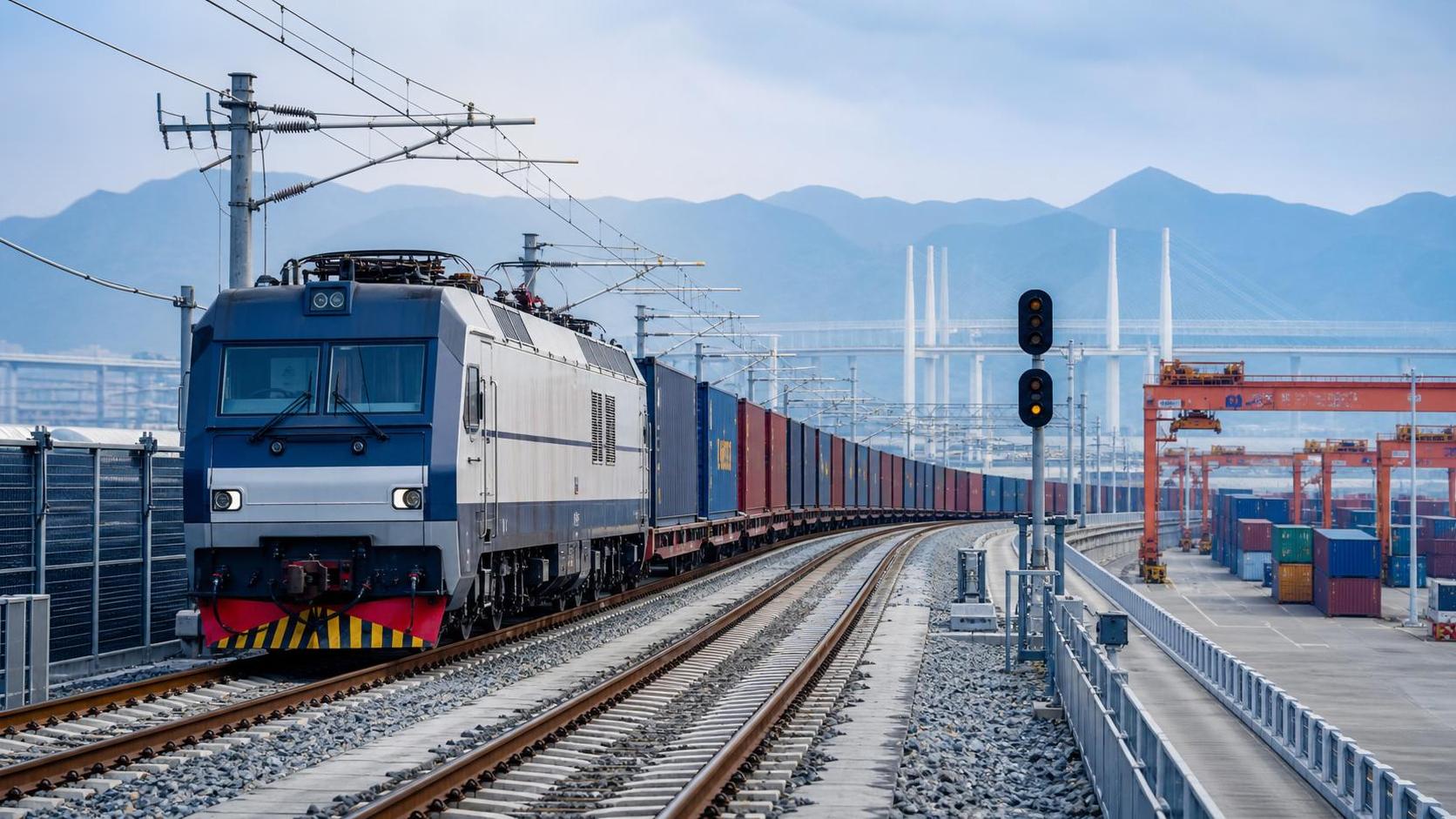
A railway solution reference platform should do more than display project names, vendor brochures, or isolated case studies. In freight rail, technical decisions depend on traceable data, operating context, and standards alignment across rolling stock, signaling, infrastructure, and corridor interfaces.
That is why evaluating a railway solution reference platform has become more important as networks expand across borders, decarbonization targets tighten, and intermodal freight corridors demand higher reliability. A useful platform helps turn technical intelligence into practical comparison, risk screening, and procurement confidence.
What a railway solution reference platform should actually provide
At its core, a railway solution reference platform is a structured environment for validating whether a technology, asset, or engineering approach fits a real operating requirement. It is not simply a database of products.
The strongest platforms connect three layers of evidence. They show technical specifications, documented field performance, and the regulatory framework behind acceptance or deployment.
In railway freight and engineering, this matters because equipment rarely performs in isolation. Locomotives affect axle load planning, wagons affect terminal throughput, and signaling rules shape corridor capacity and safety margins.
A credible railway solution reference platform therefore needs to reflect system behavior, not just component marketing language.
Why the market pays closer attention now
Rail investment is becoming more complex. New heavy-haul routes, smart signaling upgrades, and rail-port integration projects are judged on life-cycle performance, not only on initial delivery.
Cross-border freight also raises the bar. Differences in UIC practices, EN requirements, and AAR conventions can create hidden incompatibilities if a reference source lacks technical depth.
This is where a platform shaped like G-RFE becomes relevant. A data-driven structure built around locomotives, track systems, CBTC or ETCS, intermodal interfaces, and engineering machinery reflects how real railway decisions are made.
More importantly, it supports comparison across industrial pillars instead of forcing each decision into a narrow equipment view.
Start with evidence quality, not interface quality
An elegant interface can save time, but it should never be the main reason to trust a railway solution reference platform. The first question is whether the underlying evidence is complete, current, and verifiable.
Look for source discipline. Performance data should be tied to test reports, commissioning records, operating environments, or recognized public documentation.
Specifications also need context. A 6000hp diesel-electric locomotive means little without route profile, altitude, haul length, maintenance regime, and fuel efficiency assumptions.
The same applies to signaling. Claims around capacity uplift or safety improvement should indicate line type, train density, fail-safe logic, telecom backbone, and migration constraints.
Useful signs of strong data governance
- Each asset or solution record includes source references and update dates.
- Operational metrics are linked to route, climate, axle load, or traffic conditions.
- Standards citations identify exact frameworks such as UIC, EN, or AAR.
- Comparisons distinguish between prototype, pilot, and large-scale deployment.
- Negative findings, constraints, or retrofit limitations are visible.
Standards coverage is a basic test of credibility
Any railway solution reference platform used for serious evaluation should treat compliance as a structured layer of analysis. Standards are not decorative labels. They shape interoperability, safety approval, maintenance planning, and procurement risk.
A platform gains real value when it maps technologies against UIC, EN, and AAR requirements with enough detail to support technical screening. That includes identifying where standards overlap, diverge, or need local adaptation.
This is especially important for mixed fleets, corridor modernization, and projects involving imported equipment. A solution may look proven in one geography but still fail fitment, braking, communication, or loading gauge requirements elsewhere.
A good platform must reflect operational scenarios
Reference quality improves sharply when the platform organizes information around use cases. Railway assets behave differently in mountain freight, desert climate, cold-chain intermodal service, and dense mixed-traffic corridors.
That means a railway solution reference platform should let evaluation follow scenario logic. Technical reviewers need to move from equipment category to application condition without losing detail.
G-RFE’s five-pillar structure is a useful example of this kind of design. Heavy-haul locomotives, rail infrastructure, smart signaling, intermodal systems, and specialized engineering machinery can be reviewed independently, yet still linked in project analysis.
This mirrors how corridor decisions are made in practice. Performance on paper is only one dimension. Availability, maintainability, standards fit, and interface readiness often decide whether a solution is workable.
Scenarios worth checking
- Heavy-haul freight lines with high axle load and long consist operations.
- Cross-border routes requiring signaling interoperability and policy alignment.
- Rail-port corridors where wagon flow affects terminal productivity.
- Network upgrades where legacy and digital systems must coexist.
- Maintenance-intensive routes where track machinery uptime is decisive.
How to judge comparison value
A railway solution reference platform becomes far more useful when it supports disciplined comparison rather than simple browsing. The issue is not how many entries it contains, but how clearly it reveals differences that matter.
Meaningful comparison should include technical performance, certification status, maintenance burden, interface requirements, and deployment maturity. Cost can be relevant, but it rarely tells the whole story in rail systems.
For example, two intelligent freight wagon solutions may appear similar. One may offer better sensor integration, while the other may have stronger interoperability with regional telematics or maintenance platforms.
Without structured comparison, these differences stay hidden until late-stage review. At that point, redesign and delay costs rise quickly.
Warning signs that reduce platform value
Some weaknesses are easy to spot once the evaluation framework is clear. They usually appear where promotional material is stronger than engineering substance.
- Project references are listed without line conditions or operating data.
- Standards are mentioned broadly, with no clause-level or system-level mapping.
- Performance claims are expressed only in percentages, without baseline values.
- Lifecycle topics such as maintenance, retrofit, and spare support are absent.
- Interdependencies between civil, rolling stock, and signaling layers are ignored.
These gaps do not always mean the platform is unusable. They do mean it cannot serve as a primary reference for technical judgment without supplementary validation.
Putting the platform to work in real evaluation
In actual business use, the most effective approach is to treat the railway solution reference platform as a decision support layer. It should help narrow options, define questions, and expose compatibility risks early.
A practical workflow usually starts with corridor requirements. From there, reference records can be filtered by axle load, signaling environment, climate, maintenance philosophy, and applicable standards.
The next step is to compare shortlisted solutions against system interfaces, not only standalone metrics. A locomotive, wagon, or signaling package may test well individually while creating downstream constraints elsewhere.
This is why platforms with policy and engineering depth are more valuable than generic asset directories. Railway decisions sit at the intersection of hardware, regulation, and operational reality.
Where to focus next
The right railway solution reference platform should leave fewer assumptions unresolved after each review cycle. It should make trade-offs visible, support standards-based filtering, and connect component data to corridor performance.
For the next stage, build a short evaluation matrix around five checks: source traceability, standards coverage, scenario fit, interface depth, and deployment evidence. Then test whether the platform can answer those questions consistently across multiple railway domains.
If it can, the platform is likely to support stronger technical decisions. If it cannot, it may still be useful for orientation, but not for high-stakes reference work.
That distinction matters when freight corridors, engineering budgets, and long-life rail assets depend on decisions that must remain defensible for years.
Industry Briefing
Get the top 5 industry headlines delivered to your inbox every morning.