
Sustainable Railway Transport News: What Matters in 2026

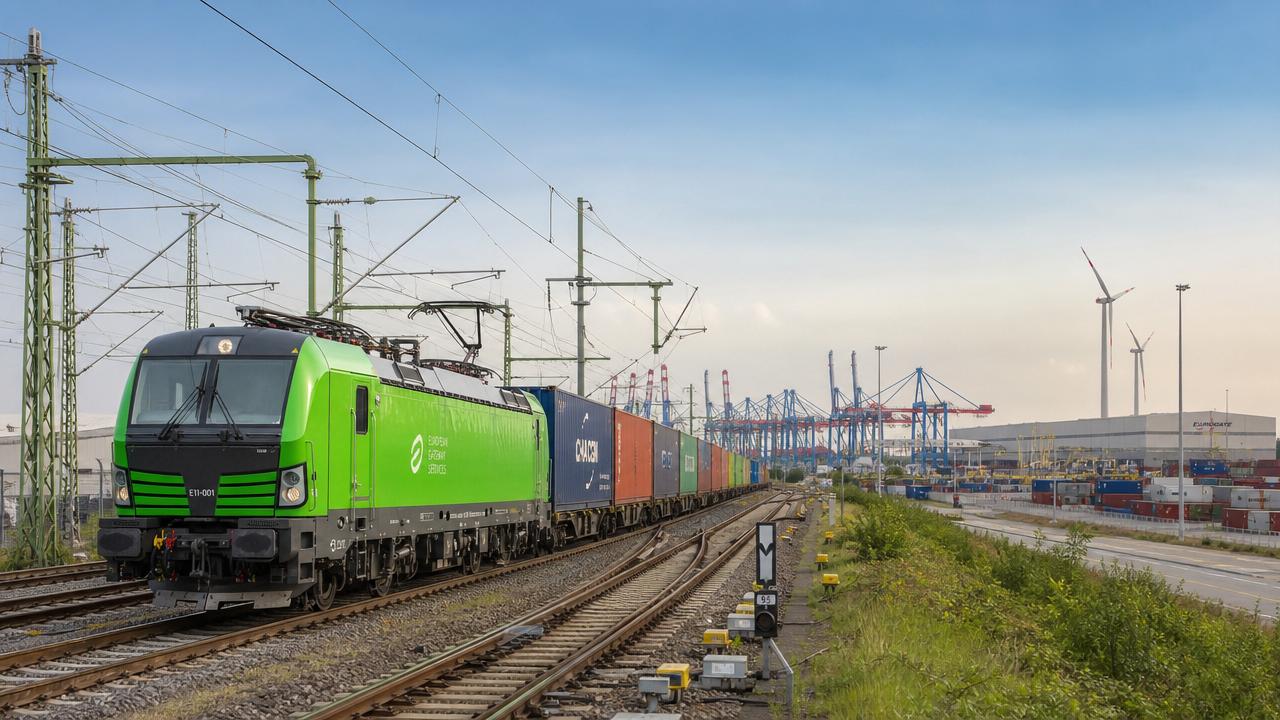
In 2026, sustainable railway transport news is no longer just about emissions targets—it is shaping how freight corridors, rolling stock, signaling systems, and intermodal hubs evolve worldwide. For researchers and industry observers, the real story lies in the intersection of engineering performance, regulatory change, and low-carbon logistics strategy across the global rail freight ecosystem.
Why a checklist matters for sustainable railway transport news in 2026
The volume of sustainable railway transport news has grown fast, but not every update has equal strategic weight.
Some headlines focus on pilot projects, while others signal lasting shifts in standards, capital spending, and corridor design.
A checklist helps separate symbolic announcements from developments that affect rail freight capacity, asset life, safety compliance, and cross-border interoperability.
This matters across the broader industrial landscape, especially where logistics resilience, heavy engineering, and decarbonization policy now overlap.
Core checklist: what to track in sustainable railway transport news
Use the following checklist to judge whether a news item reflects real momentum or temporary market noise.
- Verify corridor relevance by checking whether the project supports major freight routes, export gateways, mining belts, inland terminals, or high-volume industrial clusters.
- Assess traction strategy by comparing electrification, battery, hydrogen, hybrid, and efficient diesel-electric upgrades against route length, axle load, and power supply realities.
- Measure infrastructure depth by looking beyond track expansion and reviewing bridges, tunnels, substations, loading loops, drainage systems, and maintenance access.
- Check signaling maturity by asking whether ETCS, CBTC, GSM-R migration, automatic train protection, or digital traffic management are included in the investment scope.
- Review rolling stock efficiency by examining wagon tare weight, brake systems, predictive maintenance tools, regenerative capability, and locomotive energy performance per ton-kilometer.
- Track standards alignment by confirming whether projects reference UIC, EN, AAR, national safety rules, and cross-border interoperability requirements.
- Examine intermodal integration by identifying links to ports, dry ports, customs zones, warehousing, and digital cargo visibility platforms.
- Test financing credibility by distinguishing signed EPC contracts, sovereign funding, multilaterals, and private concessions from vague memorandum announcements.
- Compare carbon claims by asking how emissions are calculated, whether modal shift is quantified, and which baseline road or legacy rail scenario is used.
- Follow maintenance planning by checking if track machines, condition monitoring, spare parts strategy, and workforce training are funded from the beginning.
Which themes dominate sustainable railway transport news this year
1. Electrification is becoming more selective
In 2026, sustainable railway transport news shows a more disciplined view of electrification.
Main trunk corridors with stable throughput still attract catenary investment, but secondary routes increasingly use hybrid locomotives, battery support, or high-efficiency diesel-electric platforms.
The key insight is economic fit, not technology fashion.
2. Signaling is now part of the sustainability story
A major shift in sustainable railway transport news is the treatment of signaling as a carbon and capacity lever.
Better traffic management reduces idle time, improves headways, and supports longer, heavier freight movements without proportional infrastructure duplication.
Digital dispatching, ETCS upgrades, and integrated communications therefore deserve close attention.
3. Intermodal hubs are replacing isolated rail investments
Another clear pattern in sustainable railway transport news is the move from stand-alone line construction to corridor ecosystems.
Rail projects now gain stronger policy support when they connect ports, inland depots, customs systems, and digital freight scheduling.
This improves asset utilization and makes emissions reductions easier to verify.
How to read sustainable railway transport news in different applications
Heavy-haul freight corridors
In mining and bulk commodity routes, sustainable railway transport news should be judged through payload, reliability, and track endurance.
Longer trains and stronger locomotives matter only when rail, sleepers, ballast, braking systems, and maintenance windows support sustained heavy-haul operations.
Cross-border trade corridors
For intercontinental land routes, the best sustainable railway transport news often concerns harmonized standards, customs integration, and signaling compatibility.
Border dwell time can erase energy gains if locomotives, wagons, or digital systems cannot move smoothly between jurisdictions.
Urban-industrial and port-linked networks
In dense logistics zones, the most important sustainable railway transport news may involve terminal automation, last-mile sidings, and train-slot optimization.
These projects often deliver faster modal shift than high-profile megaprojects because they remove bottlenecks where road and rail interact daily.
Common blind spots and risk signals
-
Ignore headline emissions claims that lack methodology. Sustainable railway transport news should show ton-kilometer assumptions, power mix data, and credible modal-shift calculations.
-
Question hydrogen announcements without fueling logistics, safety protocols, and route economics. Pilot visibility does not guarantee fleet-scale viability.
-
Watch for infrastructure imbalance. New locomotives cannot compensate for weak bridges, old turnouts, poor drainage, or outdated train control systems.
-
Flag projects that emphasize construction but omit maintenance machinery, spare parts, and technical training. Deferred upkeep quickly undermines sustainability outcomes.
-
Treat policy headlines carefully when procurement, permitting, or grid expansion remain unresolved. Regulatory ambition alone rarely moves tonnage.
Practical execution steps for ongoing monitoring
Build a simple review process around each new item of sustainable railway transport news.
- Tag each update by corridor, asset type, and project phase.
- Score its impact on capacity, carbon intensity, interoperability, and maintenance burden.
- Cross-check technical claims against standards, route conditions, and funding structure.
- Compare the announcement with previous milestones, not only current publicity.
- Prioritize developments that combine hardware, signaling, and intermodal integration.
This method makes sustainable railway transport news more useful for long-range market interpretation and engineering intelligence.
Conclusion and next action
The most valuable sustainable railway transport news in 2026 is not the loudest announcement.
It is the update that connects low-carbon intent with measurable corridor performance, technical interoperability, maintainable assets, and realistic financing.
Use the checklist above to filter daily headlines, compare projects on a common basis, and focus attention on developments that can genuinely reshape freight efficiency.
In a market defined by engineering depth and policy complexity, disciplined reading is now a competitive advantage.
Industry Briefing
Get the top 5 industry headlines delivered to your inbox every morning.