
Impact of Electrification on Rail Cost: What Changes First

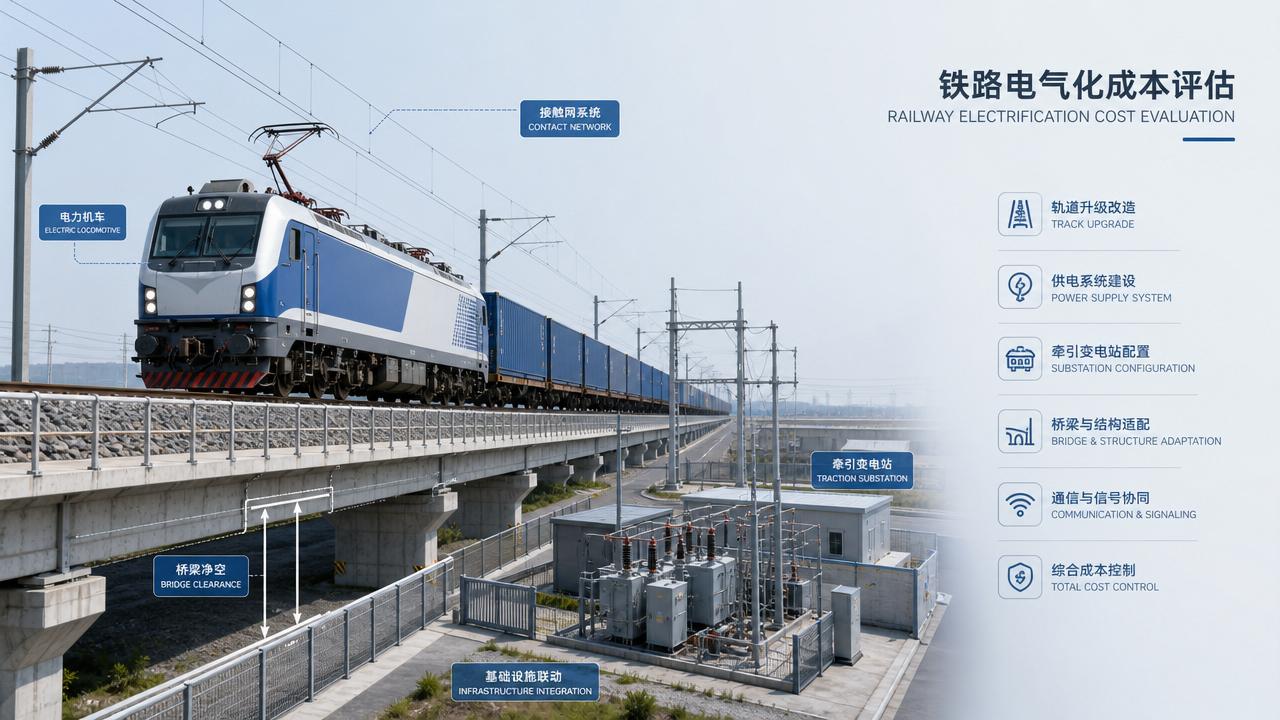
For procurement teams evaluating rail upgrades, the impact of electrification on rail cost is rarely limited to traction power alone. The first changes usually emerge in fixed infrastructure, fleet compatibility, maintenance planning, and operating economics. A structured review helps compare capital intensity with lifecycle value, reduce exposure to hidden scope, and support better sourcing decisions across railway-freight and engineering programs.
Why a checklist is essential before pricing electrification
The impact of electrification on rail cost often appears unevenly across project phases. Early estimates may focus on overhead lines, yet cost shifts typically begin with civil interfaces, clearances, substations, and network constraints.
In integrated freight corridors, electrification also changes locomotive strategy, braking systems, depot tools, signaling interfaces, and outage planning. Without a checklist, cost comparisons between diesel and electric options can become misleading.
A checklist keeps attention on what changes first, what changes later, and which items move from capital expenditure into long-term operating cost. That sequence matters for tendering, financing, and technical risk allocation.
Core checklist: what changes first in the impact of electrification on rail cost
- Map clearance constraints before pricing catenary, because bridges, tunnels, platforms, and loading gauge conflicts often trigger the earliest and most expensive scope revisions.
- Quantify traction power demand by route segment, as substations, feeder lines, and grid connection upgrades can alter the impact of electrification on rail cost immediately.
- Check fleet compatibility against axle load, voltage standard, pantograph geometry, regenerative braking capability, and train control interfaces before comparing locomotive bids.
- Review signaling immunity and earthing requirements, since return currents, electromagnetic compatibility, and bonding can force redesign in ETCS, CBTC, or legacy installations.
- Audit depot readiness for high-voltage maintenance, including isolation procedures, roof access platforms, test equipment, and staff certification requirements.
- Separate route conversion outages from normal maintenance windows, because possession time, traffic diversion, and service disruption can materially increase project cost.
- Model energy price scenarios over the asset life, since the impact of electrification on rail cost depends on power tariffs, peak demand charges, and grid reliability.
- Calculate maintenance shifts across assets, noting that track access equipment, overhead line inspection, switchgear servicing, and transformer replacement create new cost categories.
- Test interoperability with ports, terminals, and cross-border corridors, especially where different voltage systems, standards, or freight handling rules affect corridor efficiency.
- Assign risk ownership clearly in contracts, covering utility delays, ground conditions, system integration, and performance guarantees tied to haulage capacity.
How cost shifts differ by application scenario
Heavy-haul freight corridors
On heavy-haul lines, the impact of electrification on rail cost often starts with power density and structural clearances. Long trains, steep grades, and high axle loads demand robust substations and strong overhead line design.
However, these corridors can also unlock the strongest lifecycle gains. Higher tractive effort, lower fuel exposure, and improved consistency may offset the initial infrastructure premium over time.
Mixed-traffic national networks
In mixed-traffic networks, the first cost changes often come from interfaces rather than locomotives. Passenger timetables, platform works, and signaling integration can shape the program more than vehicle procurement does.
The impact of electrification on rail cost becomes harder to isolate here. Benefits may be shared across freight and passenger operations, while outage costs and interface risks spread across several budgets.
Intermodal port and terminal links
For intermodal links, terminal geometry and operational flexibility usually change first. Wire height, crane envelopes, loading areas, and shunting patterns can force partial electrification or hybrid operating models.
That means the impact of electrification on rail cost may depend less on mainline distance and more on terminal design constraints, dwell time targets, and last-mile traction strategy.
Cross-border or standards-diverse routes
Where corridors cross jurisdictions, cost changes often begin with compliance. Voltage systems, safety approvals, EMC rules, and maintenance standards may require multi-system locomotives or segmented infrastructure plans.
In these cases, the impact of electrification on rail cost is driven by interoperability discipline. Technical nonalignment can erase expected efficiency gains if not addressed at concept stage.
Commonly overlooked items that distort rail electrification budgets
Bridge reconstruction is underestimated
Bridge lifts, track lowering, drainage changes, and utility relocation frequently exceed early assumptions. These works can dominate the impact of electrification on rail cost before any locomotive enters service.
Grid connection timing is treated as a utility issue only
Power availability affects testing, commissioning, and full-route activation. If grid upgrades slip, rail assets may sit idle, creating financing and schedule pressure beyond direct electrical costs.
Depot conversion is priced too narrowly
Roof access safety, isolation zones, lifting arrangements, and technician upskilling add real cost. Depot readiness is often the first operational bottleneck after infrastructure completion.
Temporary operating plans are ignored
During staged conversion, diesel bridging fleets, dual-mode locomotives, and traffic diversions may be required. These transitional arrangements materially affect the impact of electrification on rail cost.
Lifecycle maintenance assumptions remain generic
Electrification can reduce some mechanical wear yet introduce specialist overhead line and substation tasks. A weak maintenance model can make business cases appear stronger than reality.
Practical execution advice for evaluating the impact of electrification on rail cost
- Start with a corridor segmentation model that separates open route, structures, terminals, depots, and grid interfaces instead of using one blended cost rate.
- Use a first-change matrix to identify which assets move immediately, which move during commissioning, and which shift only after sustained electric operations.
- Request bids with transparent breakdowns for civil works, OCS, substations, signaling adaptation, depot conversion, and temporary operations.
- Benchmark assumptions against UIC, EN, and AAR-aligned reference projects where route geometry, train mass, and traffic density are comparable.
- Run sensitivity tests on energy price, possession time, utilization rate, and financing cost to understand the real impact of electrification on rail cost.
Conclusion and next actions
The impact of electrification on rail cost begins earlier than many project models assume. It usually starts with structures, power supply, interfaces, and operational transition rather than traction equipment alone.
A disciplined checklist makes those early shifts visible. It also improves comparison between corridor types, fleet strategies, and procurement structures across freight, infrastructure, and engineering environments.
As a next step, build a route-specific cost map, validate first-change assumptions with engineering data, and test lifecycle scenarios before locking technical specifications or commercial terms.
Industry Briefing
Get the top 5 industry headlines delivered to your inbox every morning.