
Next-Gen Locomotive Tech Breakthroughs to Watch in 2026

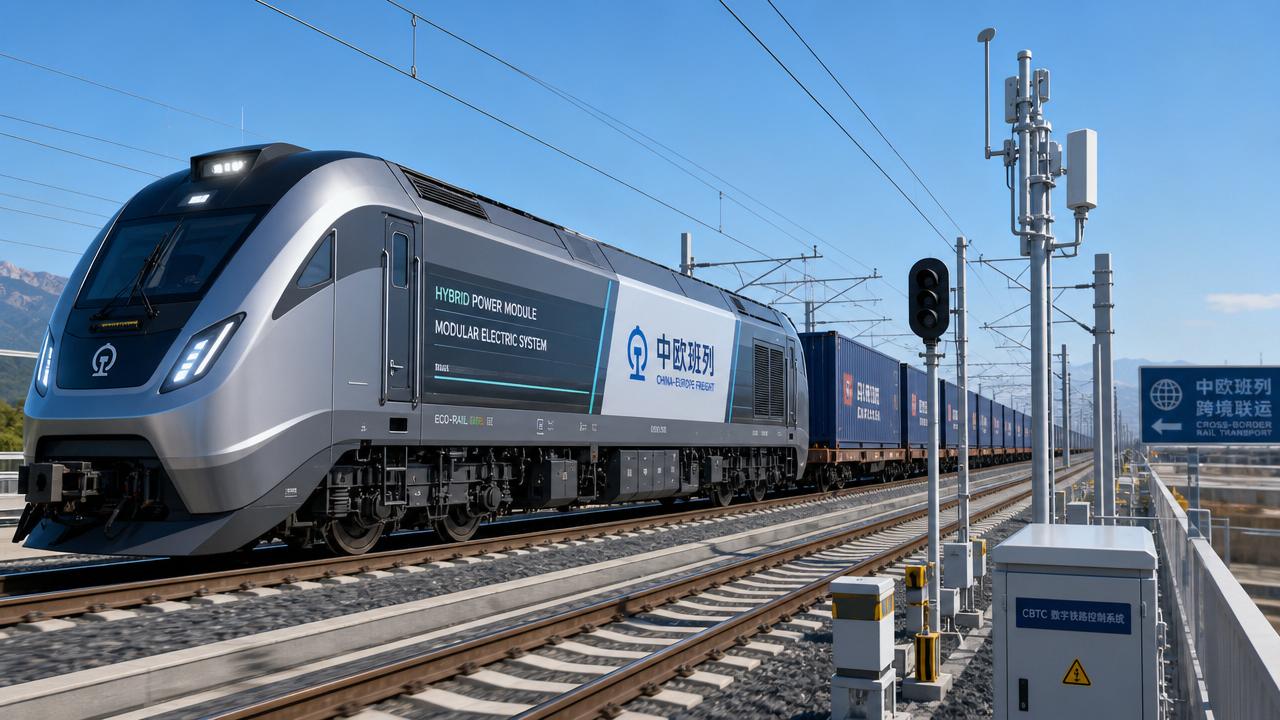
As rail freight networks race toward higher capacity, lower emissions, and smarter cross-border operations, next-gen locomotive tech breakthroughs are moving from pilot projects to board-level priorities. In 2026, the biggest gains will not come from horsepower alone. They will come from digital control, energy optimization, modular power platforms, and tighter integration with signaling, infrastructure, and maintenance ecosystems. For global rail systems, these shifts will redefine competitiveness, compliance, and long-term asset value.
Why next-gen locomotive tech breakthroughs are accelerating now
The pace of change is rising because rail is carrying heavier expectations. Freight corridors must move more tonnage, reduce carbon intensity, and maintain reliability across longer and more complex routes.
At the same time, locomotive fleets are aging in many regions. Operators are balancing retrofit economics against new-build investments under stricter emissions and safety requirements.
These conditions make next-gen locomotive tech breakthroughs especially important in 2026. Technology now affects dispatch precision, energy use, uptime, and interoperability as much as traction performance.
For institutions tracking UIC, EN, and AAR alignment, the trend is clear. The locomotive is becoming a connected system node, not only a pulling unit.
The strongest trend signals shaping 2026 locomotive decisions
Several signals show where next-gen locomotive tech breakthroughs are heading. Each one reflects a practical shift in engineering, network planning, and lifecycle strategy.
- Hybrid and alternative-power architectures are gaining relevance beyond demonstration fleets.
- Digital twins and onboard diagnostics are becoming central to maintenance planning.
- Advanced adhesion control is improving performance on heavy-haul and mixed-weather routes.
- Cab systems are integrating ETCS, GSM-R, and other communication layers more tightly.
- Modular power electronics are shortening upgrade cycles and improving serviceability.
- Battery-assisted and regenerative strategies are expanding in yard, gradient, and stop-start operations.
Together, these signals show that next-gen locomotive tech breakthroughs are no longer isolated innovations. They are converging into a system-level performance model.
What is driving next-gen locomotive tech breakthroughs in 2026
The main drivers are technical, regulatory, and economic. Their interaction explains why 2026 will be a decisive year for fleet modernization choices.
This mix of pressures explains why next-gen locomotive tech breakthroughs are being evaluated on total network value, not only unit acquisition cost.
The five locomotive technologies most likely to matter in 2026
1. Hybrid powertrains and flexible energy platforms
One major area in next-gen locomotive tech breakthroughs is the move toward hybridization. Diesel-electric systems are being paired with batteries, smart storage, and more adaptive control software.
This supports reduced idling, better peak-load management, and lower fuel burn on routes with variable duty cycles. It is especially relevant for ports, yards, and mountainous freight lines.
2. Predictive maintenance based on real-time condition data
Another leading area in next-gen locomotive tech breakthroughs is predictive maintenance. Sensors now track traction motors, braking systems, bearings, vibration, cooling, and power electronics continuously.
With digital twins and analytics, operators can forecast failures before service disruption occurs. That reduces unscheduled outages and supports better spare-parts planning.
3. Smarter traction and adhesion management
Heavy-haul railways depend on stable traction under changing weather, gradients, and axle loads. Software-led adhesion control is one of the most practical next-gen locomotive tech breakthroughs in this area.
These systems improve tractive effort, reduce wheel slip, and limit rail and wheel wear. The result is greater efficiency without simply adding mechanical mass.
4. Native signaling and communication integration
In 2026, locomotives must communicate with corridor intelligence. That makes signaling integration one of the most strategic next-gen locomotive tech breakthroughs.
Cab architecture is evolving to support ETCS compatibility, GSM-R communication, event logging, and safer data exchange. This is vital for intercontinental and multi-jurisdiction freight routes.
5. Modular electronics and upgrade-ready design
Locomotive life spans are long, but software and regulatory requirements change quickly. Modular systems allow targeted upgrades without replacing the whole platform.
This approach is central to next-gen locomotive tech breakthroughs because it protects capital value while keeping fleets compliant and operationally relevant.
How these breakthroughs affect rail business performance
The effect of next-gen locomotive tech breakthroughs goes far beyond engineering departments. They influence network economics, capacity strategy, and infrastructure interaction.
- Fleet uptime improves through earlier fault detection and planned interventions.
- Energy costs decline through smarter load balancing and regenerative use.
- Cross-border movement becomes smoother with better signaling alignment.
- Track wear can decrease when traction and braking are more precisely managed.
- Asset planning becomes more data-driven across rolling stock and infrastructure.
For engineering platforms such as G-RFE, this means evaluation must connect rolling stock design with signaling, maintenance, and intermodal corridor performance. Isolated equipment analysis is no longer sufficient.
What deserves close attention before investments move faster
Not every innovation creates equal value. The best reading of next-gen locomotive tech breakthroughs depends on route profile, regulatory context, and maintenance maturity.
- Check whether propulsion upgrades fit actual duty cycles, not only emissions targets.
- Review interoperability with existing ETCS, GSM-R, and dispatch systems.
- Measure digital maturity before adopting predictive maintenance platforms at scale.
- Assess retrofit feasibility for legacy fleets versus full replacement timing.
- Compare component standardization against local service and spare-part realities.
- Validate cybersecurity controls for connected locomotive architectures.
These checkpoints help separate headline technology from operationally useful next-gen locomotive tech breakthroughs.
A practical framework for judging the 2026 wave
Where the smartest next steps begin
The most valuable response to next-gen locomotive tech breakthroughs is disciplined prioritization. Start with route-level pain points, then map technology options to measurable performance gaps.
Build decision models around fuel efficiency, uptime, signaling readiness, and retrofit viability. Use internationally recognized standards and corridor-specific constraints as the comparison baseline.
For organizations following global rail engineering intelligence, 2026 will reward those that evaluate locomotives as integrated freight-system assets. The strongest next-gen locomotive tech breakthroughs will be the ones that improve operations, compliance, and lifecycle resilience at the same time.
Industry Briefing
Get the top 5 industry headlines delivered to your inbox every morning.