
Bogie Hunting Speed Metrics: When Vibration Becomes a Risk

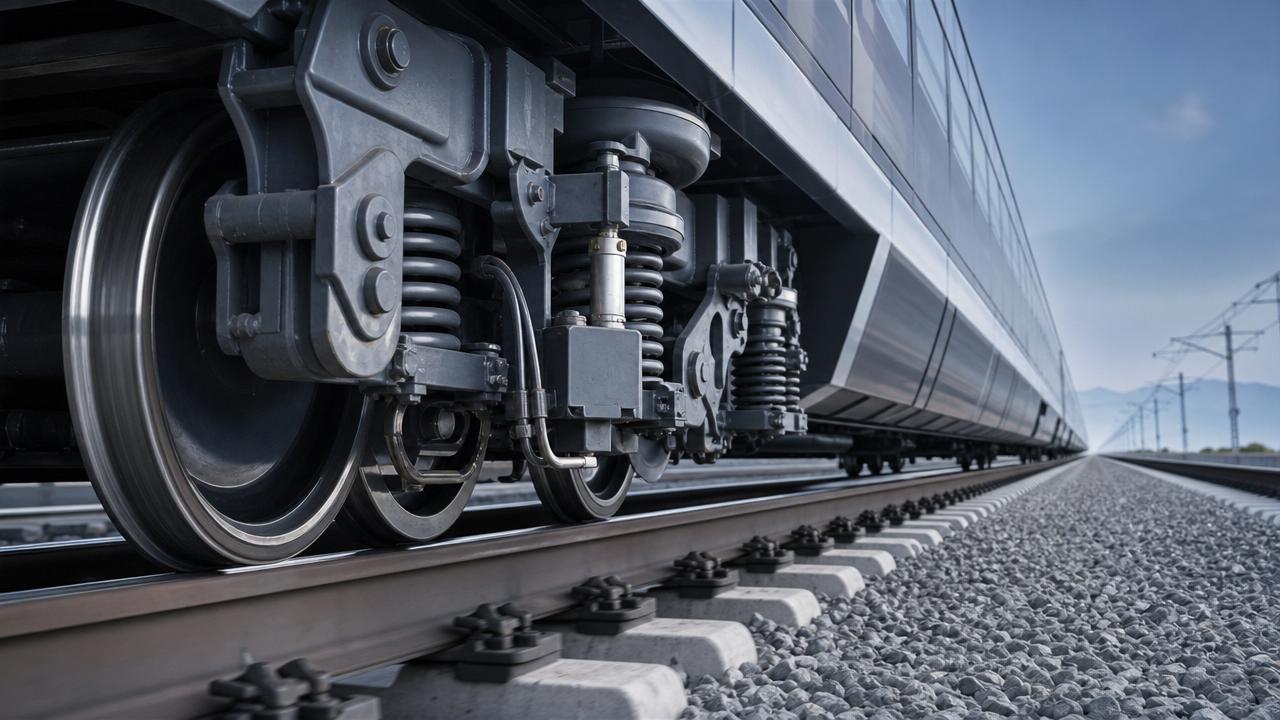
For quality control and safety managers, bogie hunting speed metrics are more than diagnostic numbers. They are early warnings of instability, wheel-rail stress, and derailment exposure.
As freight corridors become faster, heavier, and more digitally monitored, these metrics now influence maintenance timing, acceptance testing, and operational safety decisions.
Across modern railway engineering, bogie hunting speed metrics help convert vibration behavior into practical risk judgment. That shift is becoming essential for resilient, low-disruption freight networks.
Why bogie hunting speed metrics are gaining strategic importance
Rail systems are under pressure to move more tonnage with tighter headways and lower lifecycle cost. That operating reality raises the value of stability data.
Bogie hunting speed metrics indicate the speed range where lateral oscillation begins to amplify. When that threshold falls too close to service speed, risk increases rapidly.
In mixed-traffic and heavy-haul routes, vibration no longer appears as an isolated workshop issue. It affects track wear, axle load behavior, ride stability, and signaling confidence.
This is why bogie hunting speed metrics now sit beside wheel profile, suspension health, and track geometry in technical reviews. They connect dynamic behavior with network-level consequences.
The trend signal: vibration thresholds are moving closer to operating limits
A clear trend is emerging across freight engineering programs. Vehicles are carrying more load, running longer cycles, and facing variable track conditions over wider climates.
Under those conditions, bogie hunting speed metrics can deteriorate earlier than expected. Small changes in wheel conicity or damping may shift stability margins significantly.
The concern is not simply visible vibration. The deeper issue is the shrinking buffer between acceptable dynamic response and unstable lateral motion.
For technical intelligence platforms such as G-RFE, this trend matters because stability performance now intersects with standards benchmarking, fleet modernization, and cross-border corridor assurance.
What the data is starting to show
- Higher lateral acceleration peaks near upper service speed.
- Increased sensitivity to wheel wear and rail profile mismatch.
- More frequent maintenance findings linked to suspension degradation.
- Growing need for dynamic monitoring beyond static inspection routines.
What is driving change in bogie hunting speed metrics
The shift is not caused by one factor. It comes from interacting mechanical, operational, and digital drivers across the railway-freight ecosystem.
When vibration becomes a risk rather than a warning
Not every oscillation event means immediate danger. The real question is whether bogie hunting speed metrics show a declining safety reserve against actual operating speed.
Risk grows when repeated lateral movement combines with poor damping, track irregularity, and high mileage. Then vibration stops being a signal and starts becoming a destabilizing force.
Common indicators that the threshold is becoming critical
- Measured hunting speed is only slightly above service speed.
- Lateral acceleration trends worsen between inspection intervals.
- Wheel flange and rail wear increase without clear load changes.
- Vehicle behavior varies strongly across route segments.
- Repeated suspension faults appear in the same bogie family.
In this stage, bogie hunting speed metrics should not be treated as isolated compliance values. They should be interpreted with maintenance history and route context.
How the impact spreads across railway operations and engineering
The effect of weak stability margins reaches beyond one vehicle. It can influence asset availability, track possession planning, spare strategy, and confidence in corridor performance.
That broad impact explains why bogie hunting speed metrics matter across rolling stock, infrastructure, signaling reliability, and long-term engineering investment.
Operational and business effects
- More speed restrictions reduce corridor throughput.
- Unplanned wheel reprofiling increases downtime.
- Track maintenance demand rises from dynamic loading.
- Fleet standardization becomes harder across routes.
- Safety investigations become more complex and data-heavy.
For international freight corridors, the challenge is even sharper. A vehicle stable on one network may approach unstable behavior on another due to profile, maintenance, or climate differences.
What deserves closer attention now
Organizations should focus on trend quality, not just pass-fail outcomes. Bogie hunting speed metrics are most valuable when tracked over time and compared across similar operating classes.
- Monitor the gap between certified hunting speed and real service speed.
- Correlate vibration data with wheel condition and rail geometry.
- Review damping performance at overhaul and midlife intervals.
- Use route-specific baselines rather than one universal threshold.
- Align interpretation with UIC, EN, and AAR reference frameworks.
- Check whether sensor placement and sampling quality are sufficient.
These actions support better technical decisions than relying on a single alarming event. Stability deterioration usually builds progressively before serious incidents emerge.
A practical judgment framework for the next review cycle
Why this matters for future-ready freight corridors
The future of rail freight depends on safe capacity growth. That requires sharper interpretation of bogie hunting speed metrics, not just more data collection.
As engineering standards tighten and corridors become more integrated, stability metrics will increasingly shape procurement validation, retrofit decisions, and predictive maintenance priorities.
G-RFE’s cross-pillar perspective is relevant here. Rolling stock dynamics, track maintenance, signaling assurance, and corridor planning are no longer separate conversations.
They converge when vibration behavior begins to challenge safe speed. That is exactly where bogie hunting speed metrics become operationally decisive.
Next steps to turn bogie hunting speed metrics into action
Start with a structured review of recent dynamic test results, wheel wear records, and route-specific fault patterns. Look for trend movement, not only exceedance events.
Then compare bogie hunting speed metrics across vehicle classes, mileage bands, and infrastructure zones. This helps separate design limits from maintenance-driven variation.
Where margins are narrowing, prioritize targeted damping checks, wheel-rail interface analysis, and digital monitoring upgrades. Early intervention is less costly than reactive restrictions.
For organizations building safer, higher-capacity freight systems, the practical move is clear: treat bogie hunting speed metrics as a strategic health indicator, not a secondary test number.
Industry Briefing
Get the top 5 industry headlines delivered to your inbox every morning.