
2026 Locomotive Noise Level dB Benchmarks by Duty Cycle

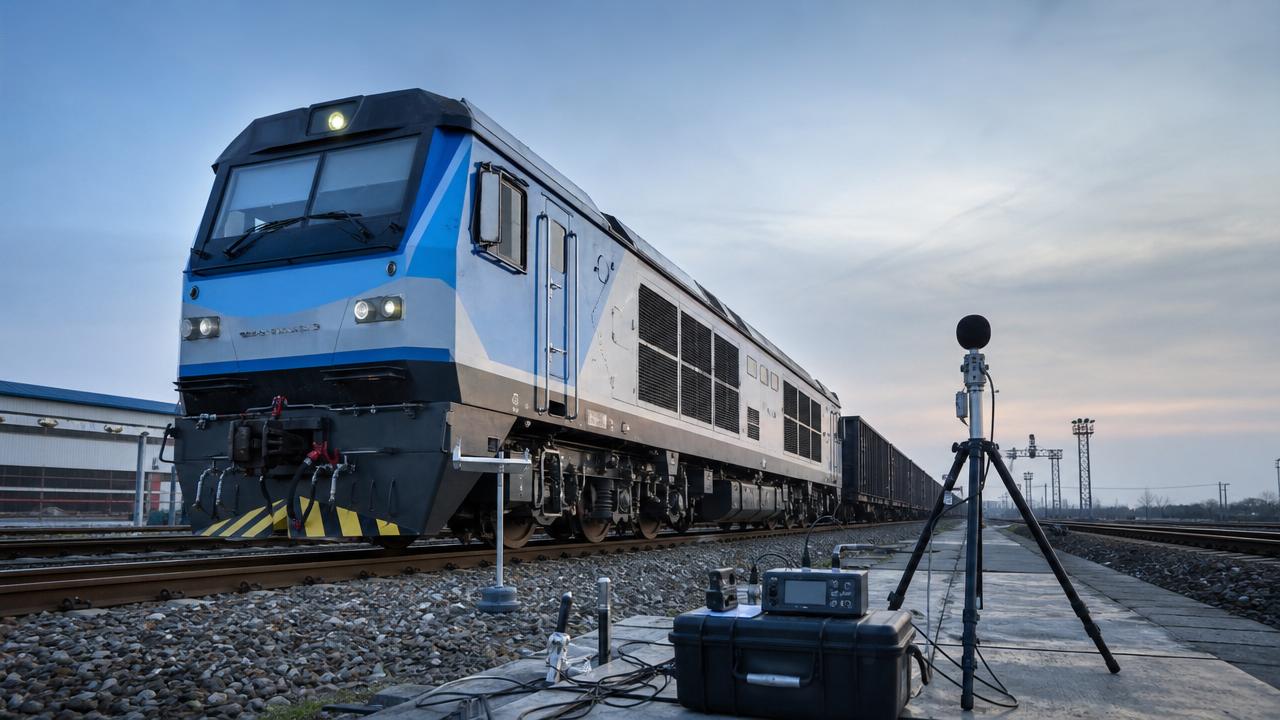
For quality control and safety managers, understanding 2026 locomotive noise level (db) benchmarks by duty cycle is essential for compliance, worker protection, and fleet optimization. This guide explains how acoustic profiles change across idle, acceleration, cruise, and heavy-haul service, and why those differences matter for engineering controls, route planning, and operating risk.
Within modern rail systems, locomotive noise level (db) benchmarks are no longer a simple procurement checkbox. They influence depot design, occupational exposure management, community impact, maintenance scheduling, and acceptance against UIC, EN, and AAR-aligned expectations.
Why duty cycle changes the meaning of locomotive noise level (dB) benchmarks
A single headline decibel value rarely reflects real railway operations. The same locomotive can record different noise signatures at idle, notch-up acceleration, steady cruise, dynamic braking, and loaded heavy-haul climbing.
That is why 2026 locomotive noise level (db) benchmarks should be read by duty cycle, measurement position, track condition, consist load, ambient weather, and auxiliary equipment status.
In practical benchmarking, stakeholders usually compare:
- Pass-by exterior noise near the right-of-way
- Cab interior exposure during full shift operation
- Stationary yard and depot noise during idling or testing
- Peak transient events during horn use, coupling, or throttle changes
For the wider transport engineering sector, duty-cycle benchmarking helps convert raw acoustic data into decisions about compliance, retrofits, and service suitability.
Scenario background: where 2026 locomotive noise level (dB) benchmarks matter most
Noise control priorities differ across rail corridors. A locomotive accepted on an isolated mineral line may fail expectations in urban freight interfaces or mixed-use intermodal terminals.
The most relevant scenario factors include route density, nighttime operations, proximity to housing, tunnel sections, crew exposure duration, and the proportion of high-throttle duty.
Scenario 1: depot idle and low-speed yard handling
Idle and low-speed switching often look harmless on paper. In reality, they create long-duration exposure, especially around depots, fueling points, maintenance roads, and wagon inspection zones.
Typical 2026 locomotive noise level (db) benchmarks in this scenario often fall around 65-80 dB at controlled external positions, depending on engine architecture, cooling fans, and generator loading.
The core judgment point is persistence rather than peak value. Lower but continuous noise can still trigger worker fatigue, speech interference, and neighborhood complaints.
Scenario 2: acceleration leaving terminals, grades, or junctions
Acceleration creates one of the most important locomotive noise level (db) benchmarks because engine load rises quickly and cooling systems respond aggressively.
Benchmarks in this duty cycle often range near 80-95 dB externally, with sharp tonal components from turbochargers, traction motors, fans, and exhaust flow.
The key decision factor is whether acceleration occurs near sensitive receptors. Terminal throat exits and short uphill departures usually deserve tighter acoustic review.
Scenario 3: steady cruise on mainline freight corridors
At cruise speed, total noise may stabilize, but aerodynamic and wheel-rail contributions become more visible. The benchmark should distinguish locomotive source noise from infrastructure-related noise.
A practical 2026 locomotive noise level (db) benchmark for cruise may sit around 75-88 dB, shaped by speed, rail roughness, wagon condition, and trailing load length.
The main judgment point is consistency. Stable cruise noise supports better route models, more accurate community impact studies, and improved comparison across locomotive classes.
Scenario 4: heavy-haul climbing and sustained high tractive effort
Heavy-haul duty is where locomotive noise level (db) benchmarks often reach their most demanding values. Full power on grades exposes exhaust, cooling, and mechanical harmonics simultaneously.
In 2026 benchmarking practice, this scenario can reach 90-100 dB or more at defined exterior positions, especially with multiple-unit lash-ups and hot-weather fan activation.
The core assessment is not only legal compliance. It is also whether the asset remains fit for corridors combining heavy tonnage with worker access or constrained geography.
Benchmark ranges by scenario: a practical comparison table
These values are indicative, not universal limits. Actual locomotive noise level (db) benchmarks depend on national measurement methods, microphone geometry, terrain reflection, and whether horns are excluded.
How scenario differences reshape technical requirements
Different duty cycles demand different controls. A fleet optimized for fuel efficiency alone may underperform against 2026 locomotive noise level (db) benchmarks in community-sensitive corridors.
- Idle-focused environments benefit from auto stop-start logic and quieter auxiliary systems.
- Acceleration-heavy routes need fan strategy tuning, exhaust treatment, and improved enclosure damping.
- Cruise corridors require better wheel-rail condition management and vibration isolation.
- Heavy-haul gradients often justify advanced cooling design and multi-unit acoustic coordination.
For integrated freight systems, the best benchmark is operationally specific. General fleet averages hide the duty-cycle peaks that drive complaints, worker exposure, and retrofit costs.
Scenario-based recommendations for using locomotive noise level (dB) benchmarks
When reviewing existing fleets
- Group measurements by idle, acceleration, cruise, braking, and heavy-haul duty.
- Record ambient temperature, consist tonnage, and track condition with each sample.
- Compare interior cab readings separately from exterior pass-by readings.
- Flag units with rising fan or exhaust noise as predictive maintenance candidates.
When planning corridor upgrades
- Map where high-throttle operation overlaps with residential or workforce exposure zones.
- Use locomotive noise level (db) benchmarks together with vibration and air quality data.
- Prioritize mitigation at departure grades, tunnels, depots, and loading loops.
- Align procurement specifications with route-specific acoustic conditions, not generic catalog values.
When writing technical specifications
Specify measurement distance, operating notch, consist load, and whether auxiliary equipment is active. Without those details, locomotive noise level (db) benchmarks become hard to verify and easy to dispute.
Common misjudgments that weaken benchmark decisions
One frequent mistake is using a single maximum dB value as the full acoustic story. This ignores duration, frequency content, and the actual duty cycle distribution.
Another mistake is blaming the locomotive alone. Wheel flats, rail corrugation, loose body panels, and poor wagon condition can distort locomotive noise level (db) benchmarks.
A third oversight is excluding climate effects. High ambient temperatures can trigger more aggressive cooling, pushing heavy-haul and acceleration readings well above nominal expectations.
It is also risky to compare data collected under different standards without normalization. UIC, EN, and AAR-aligned practices may vary in setup, reporting format, and operating assumptions.
Next-step actions for stronger 2026 benchmarking
Start with a duty-cycle noise map for each operating corridor. Separate idle, acceleration, cruise, and heavy-haul segments before ranking fleet acoustic performance.
Then build a measurement matrix linking locomotive model, load state, route geometry, temperature, and maintenance status. This creates reliable locomotive noise level (db) benchmarks for audits and engineering decisions.
Finally, use benchmark findings to guide retrofit timing, cab protection measures, depot controls, and future fleet specifications. In 2026, the strongest rail acoustic strategy is scenario-based, measurable, and aligned with real duty cycles.
For complex freight and engineering networks, better locomotive noise level (db) benchmarks support safer operations, stronger compliance readiness, and smarter asset deployment across diverse railway environments.
Industry Briefing
Get the top 5 industry headlines delivered to your inbox every morning.