
Railway braking system supplier comparison beyond price alone

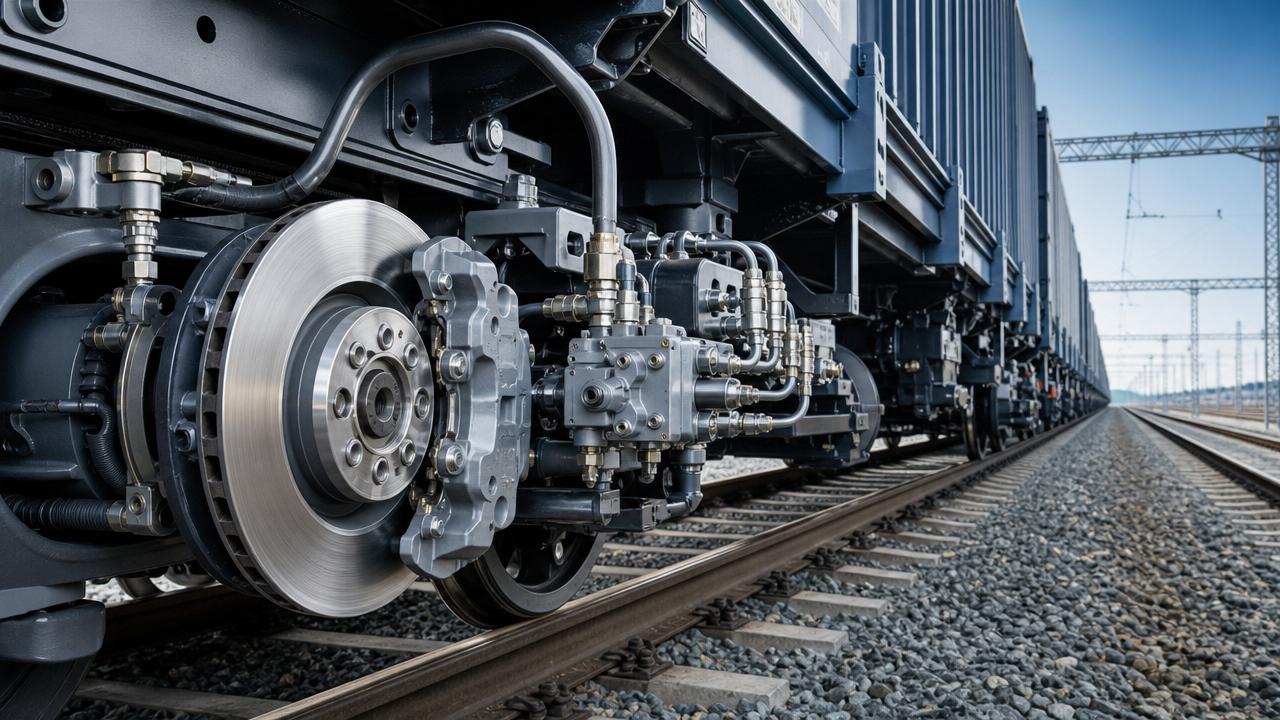
Why railway braking system supplier evaluation is changing fast
Choosing a railway braking system supplier on price alone now creates avoidable exposure across safety, uptime, compliance, and asset value.
Freight corridors are becoming longer, heavier, faster, and more digitally managed. That shift changes how braking systems are specified, verified, and supported.
A low initial quote can hide weak thermal performance, uncertain certification, slow spare parts response, or poor integration with onboard control architecture.
For international rail projects, the right railway braking system supplier must support engineering decisions across the full operating lifecycle, not only the tender stage.
This matters across the wider transport and engineering ecosystem served by G-RFE, where hardware reliability and standards alignment directly affect corridor continuity.
Market signals show a broader comparison model is replacing price-first buying
Several industry signals explain why railway braking system supplier comparison is becoming more technical and evidence-based.
Heavy-haul fleets now run under tighter stopping distance expectations and stricter audit trails for safety-critical components.
Cross-border projects increasingly require harmonized documentation under UIC, EN, AAR, or project-specific acceptance frameworks.
Digital maintenance programs are also pushing buyers toward suppliers that can provide condition data, diagnostics, and traceable service history.
At the same time, supply chain volatility has made delivery assurance as important as component price.
Key forces behind this shift
Technical fit now outweighs the cheapest railway braking system supplier quote
The first comparison layer should test operating fit. Not every railway braking system supplier is strong across freight, passenger, metro, and heavy-haul environments.
Braking architecture must match train length, tonnage, gradient profile, climate exposure, and target stopping consistency.
A supplier with lower pricing may still require expensive redesigns if valve logic, pneumatic response, friction materials, or redundancy levels are unsuitable.
Technical checkpoints worth comparing
- Compatibility with locomotive control systems and wagon interfaces
- Performance under emergency, service, and parking brake scenarios
- Thermal management during long downhill operations
- Brake response time consistency across train formations
- Wear rate, contamination tolerance, and climate resilience
- Maintainability and replacement interval planning
When these factors are measured early, railway braking system supplier comparison becomes a risk filter rather than a simple cost exercise.
Compliance strength is becoming a decisive commercial factor
Certification quality is no longer a background topic. It strongly influences project timing, authority acceptance, and insurer confidence.
A credible railway braking system supplier should show structured evidence, not only brochures or summary claims.
That evidence may include test protocols, material traceability, failure mode documentation, prior field references, and conformity to UIC, EN, or AAR expectations.
Documents that deserve close review
- Type test reports and braking performance validation
- Quality management records for safety-critical production
- Component origin and batch traceability files
- RAMS or equivalent reliability documentation
- Reference project data from comparable freight conditions
Where acceptance deadlines are strict, documentation maturity can save more money than any discount offered by a lower-cost railway braking system supplier.
Lifecycle economics are reshaping how value is judged
The industry is moving from purchase price to total ownership economics. This is especially true in freight networks with intensive utilization.
A railway braking system supplier should therefore be assessed on operating cost behavior over years, not only at contract award.
Where hidden costs usually appear
This wider view often changes supplier rankings. The cheapest offer can become the most expensive during service life.
Service depth and supply resilience now affect operational continuity
Support capability is becoming a strategic differentiator for every railway braking system supplier serving freight and engineering projects.
When a braking issue delays train release, the real question is not unit price. It is whether technical help, parts, and root-cause analysis arrive in time.
This is particularly important in remote corridors, extreme climates, and mixed fleets with legacy equipment.
Operational impacts across business stages
- During design, weak supplier engineering support increases interface errors.
- During commissioning, slow documentation feedback delays acceptance testing.
- During operation, poor spare planning raises wagon and locomotive downtime.
- During overhaul, unavailable legacy parts force expensive retrofit decisions.
A resilient railway braking system supplier should demonstrate regional service pathways, escalation procedures, and practical spare strategies.
What deserves the closest attention before final comparison
A stronger evaluation model combines technical evidence, commercial realism, and service depth.
- Compare proven freight references, not generic transport experience.
- Score lifecycle cost using maintenance, wear, and downtime assumptions.
- Check standards alignment against route-specific regulatory expectations.
- Verify integration support for control, signaling, and fleet data systems.
- Review spare availability by region and by criticality level.
- Test response commitments for failure analysis and field support.
A practical way to judge the next railway braking system supplier shortlist
Use a weighted comparison instead of a price table alone. That approach fits today’s railway-freight and engineering environment more accurately.
If two suppliers look close on paper, the better railway braking system supplier is usually the one with stronger evidence under real operating conditions.
For complex freight corridors, the next step is simple: request comparable field data, validation records, lifecycle assumptions, and service coverage before award.
A disciplined railway braking system supplier review protects safety, project timing, and long-term network performance far better than price-first selection.
Industry Briefing
Get the top 5 industry headlines delivered to your inbox every morning.