
How to judge a railway braking system supplier

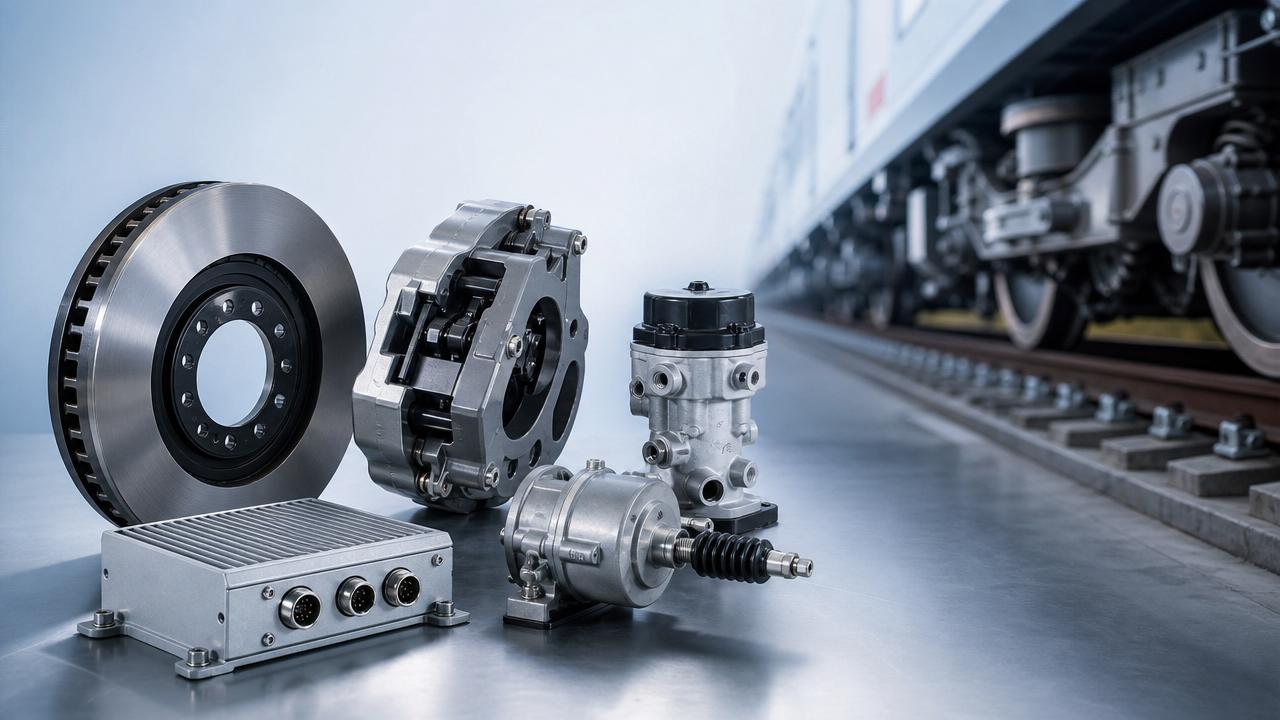
Choosing a reliable railway braking system supplier affects safety, lifecycle cost, fleet uptime, and regulatory confidence. Price alone never explains real value.
A qualified partner must show consistent engineering control, documented testing, traceable materials, and compliance with railway safety frameworks across different operating environments.
For freight corridors, metro extensions, and locomotive refurbishment programs, supplier quality directly influences stopping distance, brake response, maintenance intervals, and incident risk.
This guide explains how to judge a railway braking system supplier through capability, certification, validation methods, support systems, and long-term risk control.
What should a railway braking system supplier prove first?
The first test is not a brochure. It is evidence. A dependable railway braking system supplier should provide technical files before commercial promises.
Start with product scope. Confirm whether the supplier delivers complete brake systems, subassemblies, valves, discs, pads, actuators, control units, or retrofit packages.
Then verify operating fit. Railway braking systems differ by freight wagons, locomotives, passenger coaches, light rail, and heavy-haul applications.
A credible supplier should state braking force ranges, thermal limits, axle load compatibility, response time, and integration requirements with signaling or onboard control logic.
Core proof points usually include:
- product drawings and revision history
- bill of materials with critical component sources
- type test reports and routine inspection standards
- failure mode or risk analysis documents
- field references in comparable rail environments
If the railway braking system supplier cannot connect product claims to measurable evidence, future quality disputes become harder to resolve.
How do certifications and standards help judge supplier reliability?
Certifications do not guarantee performance, but they reveal process maturity. In railway projects, documented compliance reduces approval delays and engineering uncertainty.
A strong railway braking system supplier should demonstrate alignment with applicable international and project-specific standards, not just generic quality certificates.
Useful reference points often include UIC, EN, AAR, and customer technical specifications. Quality management under ISO 9001 is helpful, but rarely sufficient by itself.
For safety-critical rail products, also examine welding qualifications, material compliance, calibration control, and special process validation where relevant.
Ask practical questions:
- Which braking components were certified, and under which exact standard?
- Are certificates current, scoped correctly, and issued by recognized bodies?
- Do test conditions match axle loads, climate, speed, and route profile?
- Can the supplier support regulatory audits and customer witness inspections?
The best railway braking system supplier treats standards as design inputs, manufacturing controls, and service obligations rather than marketing language.
How can testing and traceability reveal true manufacturing quality?
Testing shows whether a product works once. Traceability shows whether it will work consistently across years of supply.
When evaluating a railway braking system supplier, inspect how raw materials, machined parts, seals, friction materials, and electronic modules are controlled.
Every critical part should be linked to batch numbers, inspection records, and nonconformance procedures. This matters during warranty claims or safety investigations.
Look for a layered validation system:
- incoming material verification
- in-process dimensional and functional checks
- pressure, leakage, endurance, and thermal testing
- final inspection with documented acceptance criteria
- retention of records for the required service period
Site audits are especially valuable. They reveal whether the railway braking system supplier actually controls production or mainly assembles outsourced parts with limited oversight.
Pay attention to calibration tags, lab equipment condition, rejected-part segregation, and revision control at workstations. Small factory details often predict large field issues.
What commercial and technical risks are often overlooked?
Many assessments focus on unit price. That approach can hide bigger risks in downtime, retrofit mismatch, spare-part shortages, or weak technical response after delivery.
A capable railway braking system supplier should support the full lifecycle, including commissioning, troubleshooting, training, documentation updates, and obsolescence planning.
Common hidden risks include:
- single-source critical components with no backup plan
- limited spare-part inventory near project regions
- weak change control after design modification
- unclear warranty boundaries between system and parts
- poor compatibility with legacy rolling stock interfaces
Delivery reliability also matters. For rail programs, a delayed brake component can postpone fleet acceptance or block maintenance windows.
Ask for actual lead times, buffer strategies, subcontractor mapping, and emergency response procedures. Strong suppliers answer with data, not broad assurances.
How should you compare suppliers side by side?
A structured comparison prevents decisions based on isolated strengths. One supplier may be cheaper, while another offers better validation and lower long-term operating risk.
Use a weighted evaluation model for each railway braking system supplier. Balance safety, technical depth, delivery resilience, and service capability.
This comparison method helps identify the railway braking system supplier with the strongest total value, not just the lowest opening quote.
What questions should be asked before final approval?
Final approval should come after direct questioning. Clear answers reduce ambiguity in acceptance, maintenance responsibility, and service continuity.
Useful approval questions include:
- Which components are safety-critical, and how are they validated?
- What field failures occurred in the last three years?
- How are engineering changes communicated and approved?
- What local support exists for commissioning and urgent repairs?
- What is the guaranteed spare-part availability period?
- Which tests can be witnessed before shipment?
A transparent railway braking system supplier welcomes these questions. Defensive or vague responses usually indicate process weakness or commercial overreach.
FAQ: quick answers for judging a railway braking system supplier
In global rail engineering, braking performance cannot be separated from documentation quality, manufacturing discipline, and service readiness.
The right railway braking system supplier will show measurable capability across standards, testing, traceability, delivery, and technical support.
Use a structured scorecard, request evidence early, and validate claims through audits or witnessed tests. That approach lowers safety risk and improves long-term project outcomes.
For complex railway-freight and engineering programs, careful supplier judgment is not an administrative step. It is a core safeguard for operational reliability.
Industry Briefing
Get the top 5 industry headlines delivered to your inbox every morning.