
Environmental Equipment News for Better Pollution Control Choices

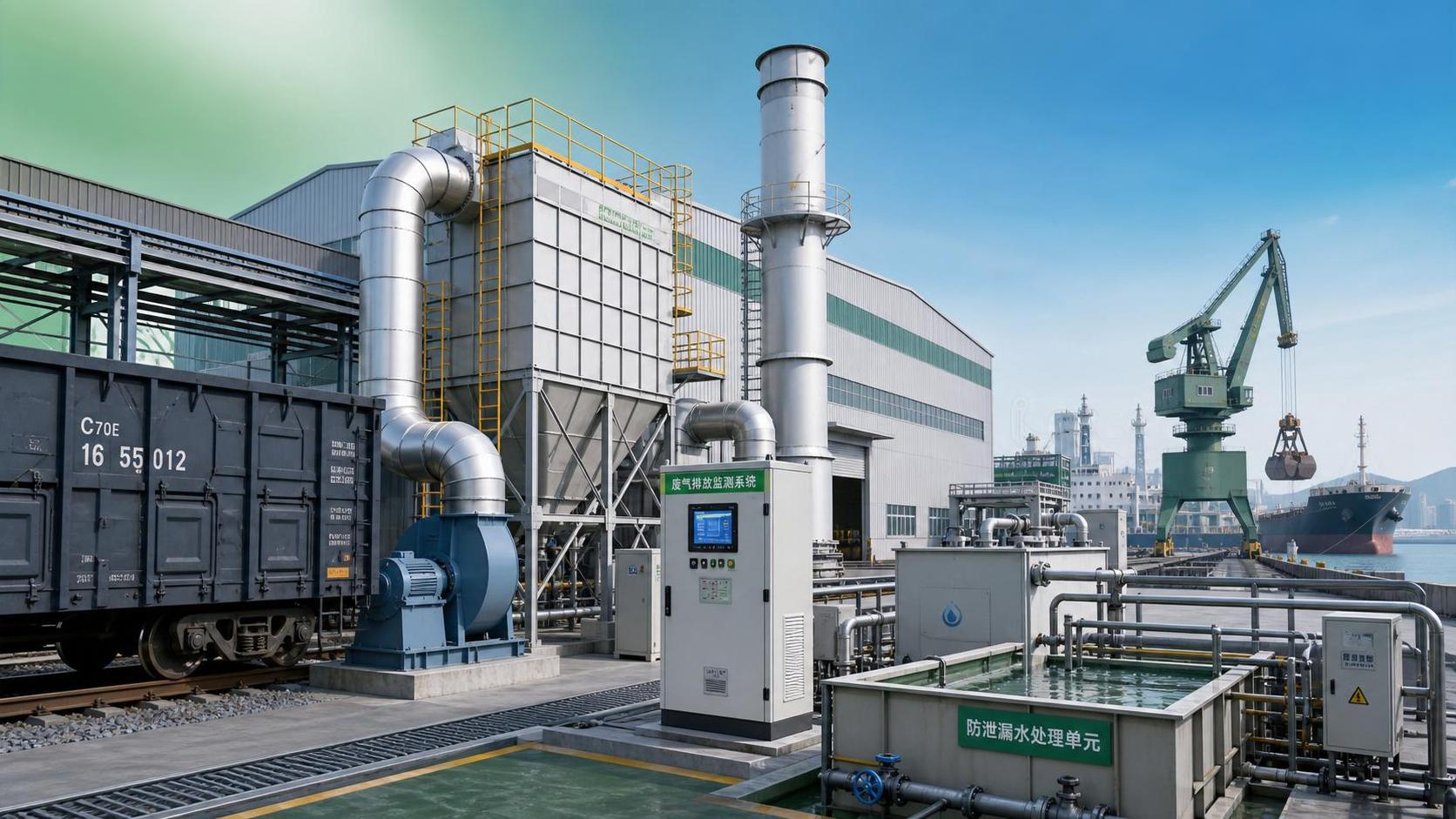
Environmental equipment news for better pollution control choices has become a practical decision tool, not just a stream of updates. In railway freight, heavy engineering, and connected industrial operations, the right signal often comes from how filtration systems, emission controls, monitoring devices, and hazardous-risk equipment are evolving in the field.
That matters because pollution prevention is no longer handled at the edge of operations. It now sits close to asset reliability, worker safety, corridor compliance, and long-term investment planning. For networks shaped by locomotives, depots, ports, workshops, signaling rooms, and track maintenance zones, small changes in environmental equipment can affect much larger operating outcomes.
Within that context, environmental equipment news for pollution prevention helps translate technical change into usable judgment. It can show which technologies are becoming more reliable, which standards are tightening, and which risk controls deserve earlier review before they turn into operational problems.
Why this topic now carries more weight
Rail-linked industrial systems are under pressure from several directions at once. Freight volumes are rising on some corridors, decarbonization targets are getting firmer, and infrastructure owners are expected to control dust, exhaust, runoff, noise, and waste with more evidence than before.
At the same time, environmental controls are becoming more connected. A dust collector is no longer just a dust collector. It may now feed inspection data, alarm trends, maintenance schedules, and compliance records into broader safety and asset platforms.
This is where environmental equipment news for pollution prevention becomes valuable. It helps separate mature solutions from fashionable claims, especially when operating conditions involve vibration, high loads, weather exposure, diesel activity, welding fumes, bulk materials, and intermodal transfer points.
What environmental equipment news really covers
In practical terms, the topic includes equipment developments, regulatory changes, field performance reports, procurement signals, and operational lessons. It is useful because pollution prevention is rarely solved by one device alone.
A typical review may involve air filtration, exhaust treatment, spill containment, wastewater handling, gas detection, noise reduction, or continuous environmental monitoring. In transport engineering, those categories often overlap.
For a platform such as G-RFE, the value lies in connecting equipment news with railway reality. Heavy-haul locomotives, rolling stock maintenance, track renewal machinery, intermodal rail-port systems, and CBTC or ETCS-linked facilities all create distinct environmental control demands.
That means environmental equipment news for pollution prevention should not be read as generic sustainability content. It should be interpreted against duty cycles, corridor design, maintenance intensity, fuel use, material handling patterns, and the standards environment shaped by UIC, EN, AAR, and local regulation.
Where the strongest attention is focused
Air emissions and enclosed-workshop exposure
Workshop environments remain a priority because pollution exposure is concentrated there. Diesel exhaust, brake dust, welding fumes, solvent vapors, and particulate matter can build up quickly when ventilation design and maintenance discipline are weak.
News about upgraded extraction arms, smarter filter media, low-leak ducting, and sensor-based ventilation control is especially relevant in these settings. The issue is not only emissions reduction. It is also stable indoor air quality during real operating shifts.
Trackside dust, ballast work, and material transfer
Dust events often receive less attention until complaints or inspections appear. Yet ballast cleaning, aggregate transfer, unloading operations, and port-rail handling can create recurring risks for visibility, equipment life, and nearby environmental limits.
Environmental equipment news for pollution prevention often highlights misting systems, enclosure redesigns, conveyor sealing, and mobile suppression units. What matters most is whether those solutions perform under wind, traffic, and maintenance constraints.
Water, runoff, and spill response
Depots, fueling areas, wash plants, and rail-port interfaces face another layer of risk. Oils, chemicals, metal fines, detergents, and sediment can move quickly into drains or surrounding soil when containment systems are undersized or poorly monitored.
Here, updates about separators, capture systems, automated shutoff valves, portable spill barriers, and water-quality sensors deserve close attention. The best pollution prevention setup is usually the one that reduces dependence on perfect human timing.
How to read news through an operating lens
Not every innovation should drive immediate adoption. Some reports describe promising pilot equipment, while others reveal solutions that have already proved durable across industrial transport sites. The difference matters when downtime is costly.
A useful reading method is to compare each development against the actual source of pollution, the severity of exposure, and the consequence of control failure. That keeps attention on risk reduction instead of headline appeal.
This approach also fits the G-RFE model. Technical intelligence becomes more useful when equipment updates are benchmarked against infrastructure conditions, rolling stock demands, and the safety protocols that support intercontinental freight corridors.
Typical settings where better choices are made
Environmental equipment decisions are rarely abstract. They usually emerge from recurring pain points, inspection findings, or expansion plans. Several settings tend to produce the clearest business case.
- Locomotive depots reviewing exhaust extraction and indoor particulate control.
- Track maintenance bases assessing dust suppression during ballast and grinding work.
- Intermodal terminals comparing runoff capture and stormwater monitoring systems.
- Engineering workshops examining welding fume control and filter replacement data.
- Fueling and chemical storage zones tightening spill prevention and response readiness.
In each case, environmental equipment news for pollution prevention helps identify whether a known issue has a better technical answer than it did two or three years ago. That time factor is often underestimated.
What separates useful information from noise
A strong update usually includes context. It explains test conditions, operating limits, maintenance needs, compliance relevance, and integration demands. Without those details, it is difficult to compare one option with another.
It is also worth checking whether the source reflects real industrial use. Equipment that performs well in controlled demonstrations may struggle in freight yards, coastal terminals, tunnels, or remote maintenance zones.
The most credible environmental equipment news for pollution prevention often shares three traits: measurable results, standard alignment, and evidence of reliability under demanding workloads.
- Measured results should show pollutant reduction, not just equipment installation.
- Standard alignment should connect with applicable rail, industrial, or environmental rules.
- Reliability evidence should cover maintenance frequency, failure points, and training needs.
A practical framework for next decisions
The next step is not to collect more headlines. It is to build a short decision framework around the most exposed operations. That keeps environmental updates tied to business priorities.
Start by mapping the highest-risk pollution sources across workshops, freight interfaces, rail-port links, and mobile engineering equipment. Then compare those sources with current controls, inspection findings, and near-miss patterns.
After that, use environmental equipment news for pollution prevention to test a few focused questions. Is there a better monitoring method? Has a retrofit become more practical? Are maintenance demands lower? Do newer systems support cleaner documentation?
For organizations following G-RFE intelligence, this process works best when environmental controls are reviewed beside rolling stock performance, infrastructure maintenance strategy, signaling resilience, and corridor compliance expectations. Pollution prevention choices become stronger when they are assessed as part of the operating system, not as isolated purchases.
A disciplined review of environmental equipment news for pollution prevention can therefore do more than improve awareness. It can sharpen specifications, guide audits, reduce avoidable exposure, and support better long-term control choices across railway freight and engineering environments.
Industry Briefing
Get the top 5 industry headlines delivered to your inbox every morning.