
Covered wagon OEM supplier issues that delay cargo projects

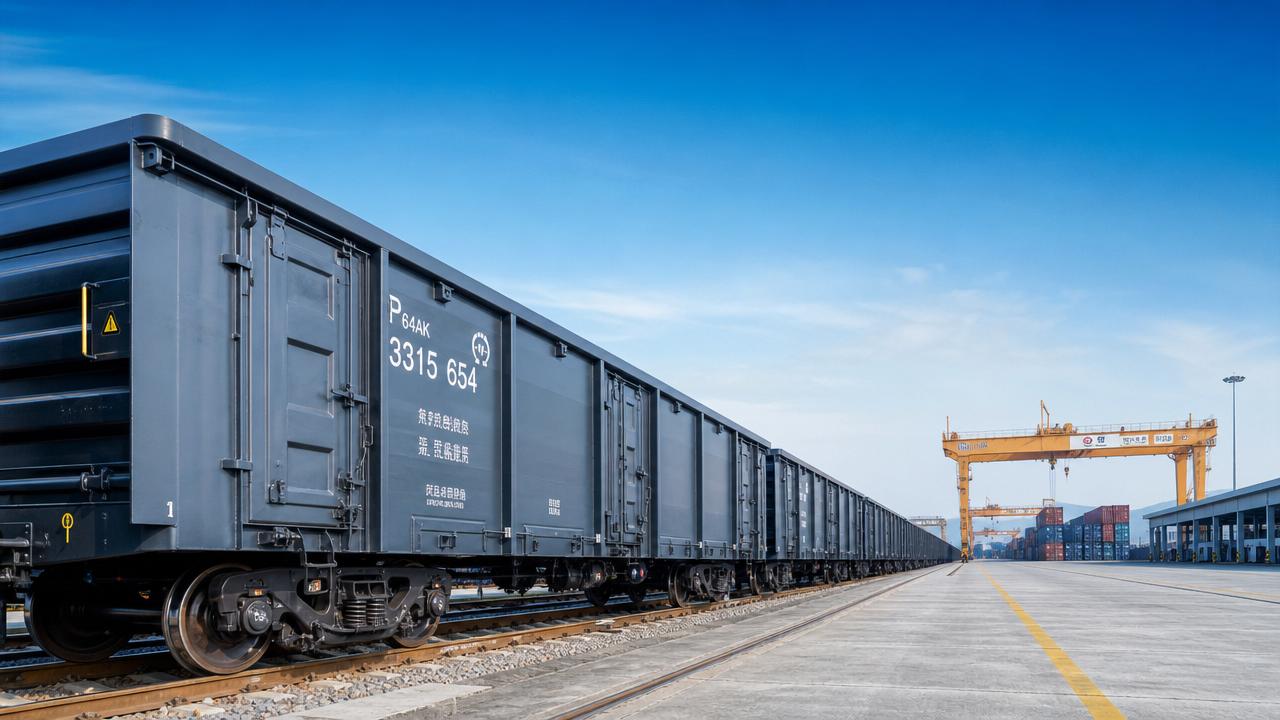
When cargo timelines slip, the root cause often starts with the covered wagon OEM supplier. For distributors, agents, and channel partners, delays in design approval, production scheduling, certification, or cross-border coordination can quickly disrupt large rail-freight projects. This article outlines the most common supplier-side issues behind project setbacks and shows how to identify risks earlier, protect delivery commitments, and improve decision-making in complex wagon sourcing programs.
Understanding the role of a covered wagon OEM supplier
A covered wagon OEM supplier is not simply a factory that assembles freight wagons. In most railway-freight programs, the supplier becomes a technical, regulatory, and delivery-critical partner that influences design quality, interoperability, commissioning speed, and lifecycle support. For distributors and rail channel partners, this matters because project performance is often judged not only by price or specifications, but by whether wagons arrive on time, pass inspection, and enter service without repeated engineering revisions.
Covered wagons are widely used to transport weather-sensitive or higher-value cargo such as packaged steel products, paper rolls, consumer goods, grain in bags, machinery components, and industrial materials requiring enclosure. In international rail corridors, they must often comply with multiple technical and operational requirements at once: axle load limits, loading gauge restrictions, coupler compatibility, brake system standards, anti-corrosion expectations, and local railway authority approvals. That makes the covered wagon OEM supplier a central point of risk if internal project control is weak.
In practice, delays rarely result from one dramatic failure. More often, they emerge from a chain of smaller supplier-side problems: incomplete documentation, slow response to design clarifications, long-lead raw material procurement, overloaded workshops, or poor coordination between engineering and certification teams. By the time these issues become visible, channel partners may already have committed delivery dates to end users or public-sector buyers.
Why the industry pays close attention to supplier-side delays
In modern rail logistics, schedule reliability is strategic. Freight corridors are being expanded to support lower-carbon inland transport, port-rail integration, and larger regional supply chains. Within this environment, a delayed wagon program can affect more than one shipment window. It can postpone route activation, reduce fleet availability, trigger contract penalties, and weaken confidence in the wider equipment package.
For dealers, agents, and distributors, the exposure is especially high because they operate between the manufacturer and the final operator. They must translate technical information, monitor milestones, align expectations across countries, and often defend the delivery plan to customers who are not interested in factory excuses. A capable covered wagon OEM supplier helps the channel protect reputation. A poorly managed one can force repeated renegotiation, emergency rescheduling, and unexpected after-sales burdens.
The issue becomes even more important when rolling stock projects are linked to public tenders, EPC rail packages, or corridor modernization programs benchmarked against UIC, EN, and AAR-related practices. In those cases, documentation discipline and engineering traceability are almost as important as manufacturing capacity.
Common issues that delay cargo projects
The most frequent causes of delay associated with a covered wagon OEM supplier usually fall into five operational categories. Understanding these categories helps channel partners identify risk before it becomes a contractual problem.
1. Design maturity problems
Some suppliers quote aggressively before the design is fully stabilized. Early assumptions about payload, body dimensions, bogie arrangement, roof type, door configuration, or brake architecture may later require change. If the customer operates across different networks, small mismatches in loading gauge, couplers, brake standards, or maintenance access can create rounds of redesign. Design immaturity is one of the earliest hidden reasons a covered wagon OEM supplier misses program milestones.
2. Weak production planning
A supplier may have acceptable engineering capability but poor shop-floor scheduling. This often shows up when multiple export orders compete for the same welding lines, painting booths, or testing resources. Long-lead parts such as wheelsets, bearings, brake components, and special steel sections can also be booked too late. When this happens, final assembly may appear active while the real bottleneck sits upstream in procurement or sub-supplier delivery.
3. Certification and compliance delays
Covered wagons entering new markets often require formal review of drawings, welding procedures, materials certificates, brake calculations, static or dynamic test evidence, and quality documentation. If the covered wagon OEM supplier is inexperienced with the target authority, approvals can take much longer than expected. Missing document versions, unclear technical files, or a weak quality-management interface can delay shipment even after units are physically complete.
4. Cross-border communication gaps
International wagon projects involve engineering teams, procurement staff, inspection agencies, logistics providers, and rail operators across different time zones and business cultures. Delays often grow when responsibilities are fragmented. One team assumes another has approved a drawing, arranged pre-shipment inspection, or confirmed labeling requirements. The supplier may also lack a single project owner with authority to close issues quickly.
5. Inadequate change control
Late changes are common in freight-wagon projects, but unmanaged changes are dangerous. A revised loading requirement, door mechanism, paint system, or track compatibility note can affect material ordering, production sequence, and testing scope. If the covered wagon OEM supplier lacks a disciplined engineering change process, seemingly minor revisions can create major schedule drift.
Industry overview: where delays usually originate
The table below summarizes the most common delay sources, how they appear in wagon projects, and why they matter to channel partners.
Who is most affected and why
Not every stakeholder experiences supplier delays in the same way. For distributors, the challenge is commercial credibility. For agents, it is coordination pressure. For regional partners, it is long-term market trust. A covered wagon OEM supplier that misses deadlines can create different forms of damage depending on the business model involved.
Business value of choosing the right supplier structure
A strong covered wagon OEM supplier does more than deliver hardware. It provides planning confidence. This includes realistic lead times, transparent bill-of-material risk visibility, stable quality records, and familiarity with the target market’s acceptance framework. For channel partners, these capabilities reduce the hidden cost of reactive management. Teams spend less time chasing documents, explaining revised schedules, or resolving technical misunderstandings late in the project.
The right supplier structure also supports lifecycle thinking. Covered wagons often operate for many years under demanding loading conditions, variable climate, and strict maintenance cycles. If the OEM has disciplined design records, spare-parts traceability, and field feedback loops, downstream support becomes easier. This is especially relevant in cross-border freight corridors, where service interruptions can affect multiple logistics nodes at once.
Practical ways to identify risk earlier
Channel partners do not need to wait for a formal delay notice to see warning signs. Several leading indicators can reveal whether a covered wagon OEM supplier is likely to create schedule pressure.
First, assess design closure discipline. Ask whether key interfaces have already been validated for the intended railway network, including gauge, brake compatibility, coupler type, tare weight, and maintenance access. Second, review actual production loading rather than brochure capacity. A supplier with a full orderbook may still promise fast delivery, but workshop and sub-supplier constraints tell the real story.
Third, test documentation readiness early. Request sample quality dossiers, welding qualifications, material traceability records, and previous export certification files. Fourth, examine project governance. A reliable covered wagon OEM supplier should provide a named project manager, milestone logic, issue logs, and response deadlines. Finally, verify how engineering changes are approved, costed, and communicated. If change control is informal, the schedule is vulnerable.
Recommended practices for distributors, agents, and dealers
For channel-oriented businesses, the goal is not to micromanage the factory. It is to build enough technical and project visibility to protect customer commitments. Several practices are especially useful:
- Use milestone-based review points tied to engineering release, procurement lock, fabrication start, inspection readiness, and shipment approval.
- Separate commercial promises from unverified supplier assumptions, especially in first-time export projects.
- Ask the covered wagon OEM supplier for sub-supplier visibility on critical components rather than relying only on final assembly status.
- Align contract wording with documentation deliverables, not only physical completion of wagons.
- Maintain escalation channels for engineering, quality, and logistics separately to avoid communication bottlenecks.
These steps are particularly valuable in large rail-freight and engineering environments where multiple industrial pillars intersect, such as rolling stock supply, infrastructure readiness, signaling interfaces, and intermodal corridor deployment. Reliable wagon sourcing depends on seeing the project as a system, not just a factory order.
Frequently asked questions
Is price the main indicator of supplier reliability?
No. A low quote may hide immature engineering, overloaded production, or limited certification experience. For a covered wagon OEM supplier, schedule credibility and documentation quality are often more important than a small upfront price advantage.
Can completed wagons still be delayed?
Yes. Physical completion does not guarantee deliverability. Missing inspection reports, unresolved authority comments, export packing issues, or logistics coordination failures can still hold the project.
What is the earliest useful due-diligence step?
Review past project evidence for similar wagon types and target markets. A proven covered wagon OEM supplier should be able to show not only finished products, but also the engineering and compliance pathway that supported successful delivery.
A practical closing perspective
Supplier-side delays in cargo projects are rarely random. They usually reflect visible patterns in design readiness, production loading, certification capability, and project governance. For distributors, agents, and dealers, the most effective response is early structure: ask better technical questions, demand milestone transparency, and evaluate the covered wagon OEM supplier as an operational partner rather than only a manufacturer.
In a market shaped by expanding freight corridors, stricter standards, and higher expectations for on-time delivery, stronger supplier assessment is no longer optional. It is a practical way to protect margins, preserve credibility, and keep complex rail-freight programs moving. If your team is sourcing covered wagons for cross-border or institutional projects, now is the right time to review supplier risk with the same discipline used for engineering and commercial evaluation.
Industry Briefing
Get the top 5 industry headlines delivered to your inbox every morning.