
How Can Rail Infrastructure Maintenance Reduce Service Disruptions?

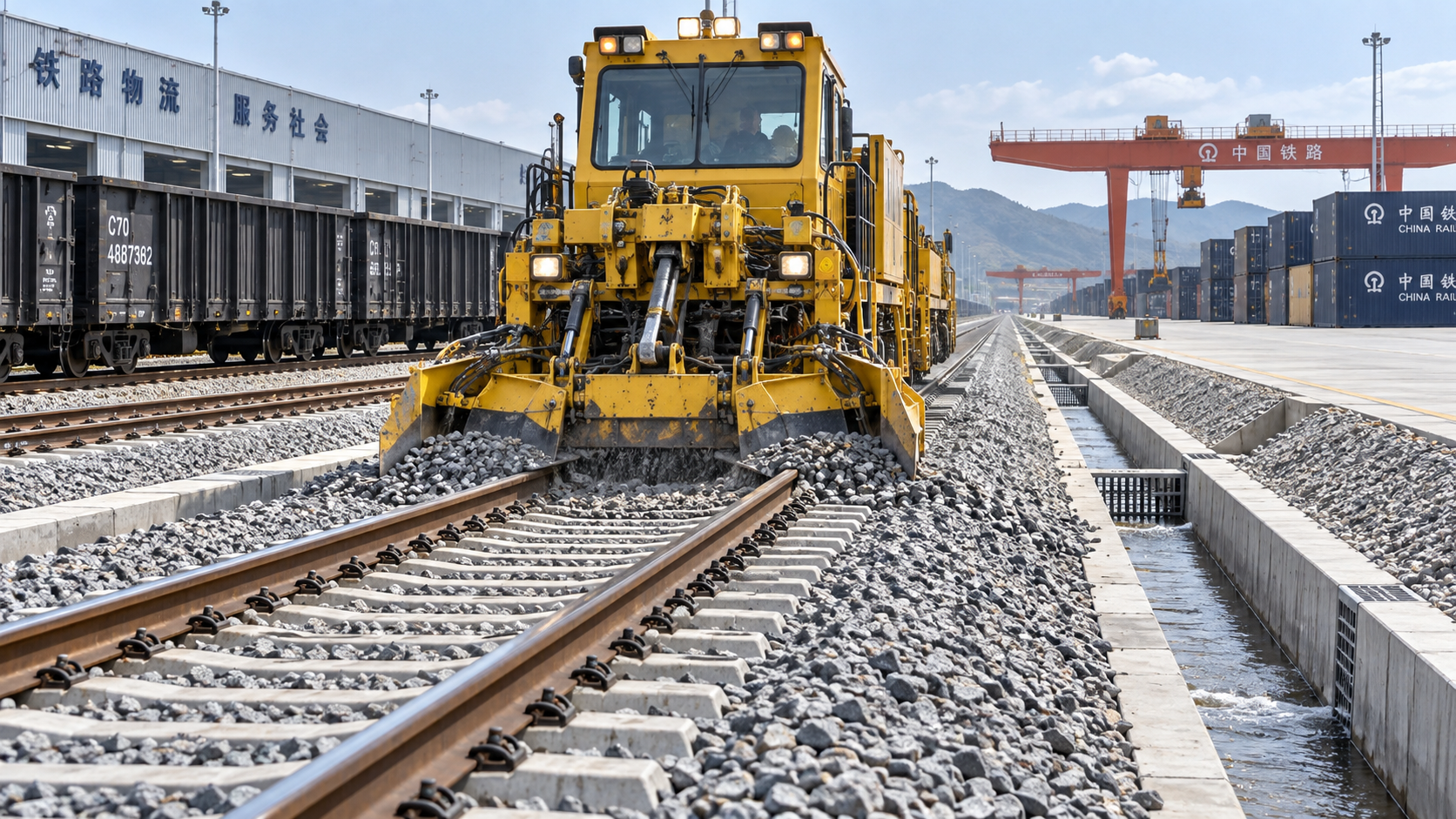
Rail infrastructure maintenance reduces service disruptions by finding deterioration early, correcting its underlying causes, and completing repairs before defects force emergency closures or speed restrictions. On a busy freight corridor, a developing track defect can delay more than one train: it can consume passing-loop capacity, disrupt crew schedules, and cause missed terminal connections. The most effective approach combines risk-based inspections, condition monitoring, targeted repairs, and maintenance windows coordinated with train operations.
The objective is not simply to perform more maintenance. It is to make better decisions about where intervention is needed, how urgently it must happen, and whether the completed work has restored reliable operating conditions. Planned maintenance still interrupts access to the railway, but a controlled possession is generally easier to manage than an unexpected failure with an uncertain recovery time.
Start with the defects that consume operating capacity
A maintenance plan should connect asset condition to operational consequences. A defect on a lightly used siding and a similar defect at the entrance to a major terminal may need different scheduling priorities, even when their physical severity is comparable. Safety limits remain decisive; operational importance determines how work is prioritized within those limits, not whether an unsafe condition can remain in service.
Heavy axle loads, accumulated traffic, curvature, braking forces, weather exposure, and foundation condition influence how quickly track components deteriorate. Historical failures help identify vulnerable locations, but yesterday’s trouble spots should not become the entire inspection plan. Changes in traffic loading, drainage, or surrounding earthworks can create new risks.
Record these symptoms against consistent asset identifiers and track locations. Without that link, inspection findings, dispatch delays, and repair records remain separate datasets, making recurring failures harder to recognize.
Use inspection methods that answer different questions
No single monitoring system gives a complete picture of railway condition. Geometry measurement identifies alignment, level, gauge, and twist problems. Rail flaw detection investigates internal discontinuities. Visual examination reveals issues such as damaged fastenings, deteriorated sleepers, obstructions, and drainage problems that require local assessment.
Inspection intervals should reflect the infrastructure manager’s applicable requirements, asset condition, traffic exposure, and deterioration rate. Calendar-based inspections provide a baseline, while condition trends and events such as flooding, extreme heat, or unusual impact reports may justify additional checks.
Track geometry: distinguish a trend from an isolated reading
A geometry exceedance needs assessment against approved limits and operating rules. Below those limits, repeated measurements can reveal whether a location is stable or approaching an intervention threshold. Compare readings using consistent location references, measurement methods, and relevant operating conditions. Apparent improvement or deterioration can otherwise reflect differences in measurement rather than a physical change.
Vehicle-based acceleration monitoring can flag locations needing investigation, but it should not automatically be treated as a substitute for approved geometry inspection. Vehicle suspension, speed, loading, and wheel condition affect the signal. The practical value is directing attention to a developing problem, followed by confirmation using appropriate inspection methods.
Rail integrity: combine internal and surface assessment
Ultrasonic inspection can detect internal rail flaws, while visual checks and suitable surface-testing methods help assess cracks and damage that internal testing alone may not characterize. Coverage limitations, difficult rail profiles, and poor testing conditions must be recorded rather than interpreted as proof that the rail is defect-free.
When a suspect indication appears, qualified personnel should confirm and classify it under the infrastructure manager’s procedures. Monitoring is not permission to defer action on a defect requiring immediate protection, restriction, or removal.
Repair the cause, not just the visible track defect
Repeated tamping at the same location can be a sign that the maintenance strategy is treating the symptom. Tamping can restore geometry where ballast and underlying support remain suitable. It cannot, by itself, resolve blocked drainage, a failing formation, or severely contaminated ballast.
Water trapped within the track structure reduces support and can contribute to settlement and the migration of fines. Under repeated loading, geometry may deteriorate again shortly after correction. Inspect ditch continuity, culvert condition, outlets, and water pathways beyond the immediate defect. Clearing a drain without restoring its discharge route may leave the original problem unresolved.
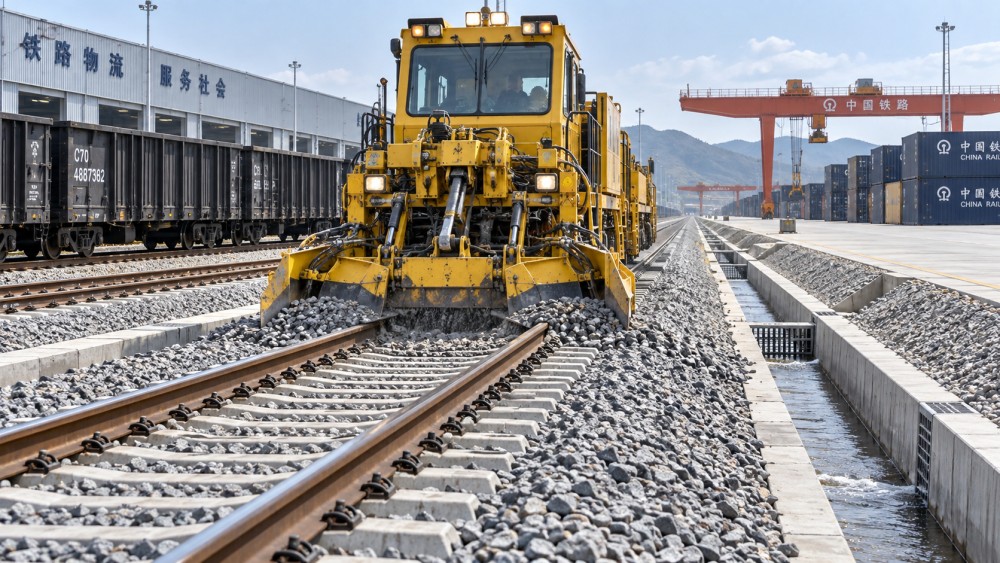
A durable intervention may require drainage repairs, ballast cleaning or renewal, formation treatment, sleeper replacement, or a combination of these measures. Select the scope from site evidence, not from the availability of a particular maintenance machine. Where embankment movement, washout, or foundation instability is suspected, the assessment must extend beyond routine track correction.
Rail surface maintenance has similar limits. Grinding or milling may control certain surface defects and restore an appropriate profile, but treatment depends on crack depth, remaining rail section, and the approved maintenance strategy. Rail that no longer meets acceptance criteria requires a different response. The wheel–rail interface also deserves attention where damage repeatedly returns.
Give turnouts and critical interfaces their own maintenance plan
Turnouts deserve focused attention because one failure can remove routing options for an entire junction. Wear at switch rails and crossings, loose connections, poor support, contamination, and problems with the drive or detection system can all affect availability. Inspecting only the visible track components leaves important failure paths unchecked.
Mechanical condition and signaling behavior should be assessed together. A turnout may appear to move correctly yet fail to provide reliable detection. Conversely, an electrical fault may be reported while excessive mechanical resistance is contributing to the problem. Safe isolation and testing require coordination between the responsible track and signaling teams.
- Check fit and movement: Examine switch contact, wear, obstruction, and movement against the approved maintenance criteria.
- Assess support: Look for settlement or voiding around the switch and crossing, especially where dynamic loading is concentrated.
- Review fault history: Compare recurring alarms and failures with inspection findings and previous repairs.
- Verify the complete function: After intervention, confirm movement, locking, detection, and relevant route functionality through the required test procedures.
At bridges, level crossings, and transitions between track structures, changes in stiffness or support can concentrate loading. These locations may need closer observation even when adjacent plain-line track remains stable. Inspection should include the asset interface rather than stopping at departmental boundaries.
Build maintenance windows around the work’s critical path
A planned possession reduces uncertainty only when the work package is achievable. Overloaded maintenance windows create rushed decisions, incomplete work, and late handbacks. The available time must accommodate protection arrangements, access, equipment setup, the intervention itself, inspection, testing, and any required restoration before trains return.
Planning should establish a minimum safe, complete outcome and identify which tasks depend on others. For example, correcting geometry before resolving drainage may deliver little lasting benefit. Equally, grouping unrelated tasks into one possession can become counterproductive if several teams compete for the same access route or equipment.
- Define the operating constraint. Identify affected tracks, available diversion routes, terminal dependencies, and the consequences of an overrun.
- Prepare the site and resources. Confirm access, materials, competent staff, machinery, and spare components before the possession begins.
- Set decision points. Establish when the team must choose between completing the intended scope and moving to an approved fallback arrangement.
- Protect handback time. Reserve enough time for measurements, functional testing, documentation, and authorization to reopen.
Freight operations also need realistic recovery planning. A maintenance window that avoids a busy departure period may still disrupt service if it blocks terminal arrivals or leaves insufficient capacity afterward. Possession planning should account for the trains displaced by the closure, not just those scheduled during it.
Contingency arrangements must be technically valid. An unfinished excavation, incomplete turnout adjustment, or unverified signaling change cannot be resolved merely by accepting a timetable delay. Where temporary operating restrictions are permitted, their conditions and authorization should be established through the applicable procedures.
Make handback a verified condition, not a scheduled time
The end of a maintenance window is not proof that the asset is ready for service. Acceptance checks must match the work performed. Track interventions may require geometry measurements, inspection of fastenings and sleepers, clearance checks, and assessment of ballast condition. Work affecting rail stress, welded joints, or signaling requires the corresponding specialist controls.
Post-maintenance speed restrictions may be necessary under the infrastructure manager’s rules. They should be included in operational planning rather than treated as an unexpected consequence. Dispatchers need accurate information about the affected limits, duration, and requirements for lifting the restriction.
Early follow-up inspection is valuable where new materials must settle, a recurring defect has been treated, or the underlying cause was difficult to confirm. If deterioration returns quickly, reopen the diagnosis instead of automatically repeating the same repair. The follow-up record should identify what changed, what remained uncertain, and whether the repair met its intended acceptance criteria.
Measure reliability without rewarding deferred work
Maintenance performance needs both operational and asset-condition measures. Fewer maintenance possessions do not necessarily mean a more reliable railway; they may indicate that necessary work is accumulating. Likewise, a high volume of completed tasks says little about whether the most disruptive risks were reduced.
Useful measures include infrastructure-related delay minutes, emergency closures, recurring defects, the extent and duration of temporary speed restrictions, possession overruns, and repeat work at the same location. Review these alongside overdue inspections and outstanding defects by risk category. Separating planned restrictions from unplanned failures makes the operational picture clearer.
Interpret trends in context. Increased traffic, heavier loading, severe weather, and better defect reporting can change measured performance without proving that maintenance has become less effective. Consistent failure coding and location records help distinguish genuine deterioration from reporting changes.
A practical starting point is to select a capacity-critical section with repeated restrictions, reconcile its inspection and delay records, and identify the dominant failure mechanism. Schedule a cause-based intervention with explicit handback criteria, then monitor whether the defect returns. If geometry improves but soon deteriorates again, that evidence supports further investigation of drainage or support conditions rather than another identical maintenance cycle.
- Track Renewal Equipment Cost: Purchase Price vs. Lifetime Operating CostsTime : Oct 19, 2026
- How Can Rail Infrastructure Maintenance Reduce Service Disruptions?Time : Oct 19, 2026
- Which Track Maintenance Tasks Cannot Be Deferred?Time : Oct 18, 2026
Industry Briefing
Get the top 5 industry headlines delivered to your inbox every morning.