
Smart Wagon Sensors: Which Innovations Matter Most

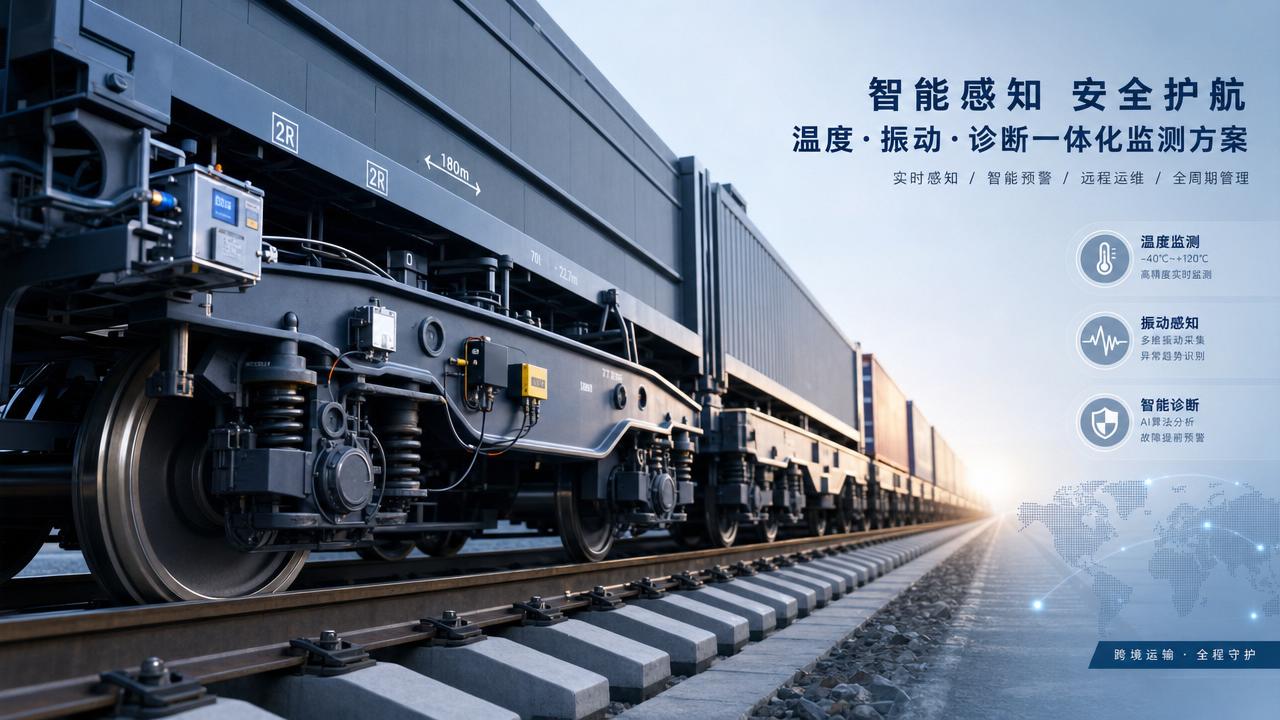
As rail freight digitization accelerates, the debate around innovations in smart wagon sensors is becoming more technical and more urgent.
Not every sensor upgrade creates equal value. The strongest advances improve safety, data trust, and lifecycle cost control across heavy-duty freight networks.
For cross-border corridors, wagon intelligence must also fit UIC, EN, and AAR expectations, while operating reliably in vibration, dust, heat, and long dwell cycles.
This is why innovations in smart wagon sensors should be judged by measurable outcomes, not by novelty alone.
The market signal is clear: wagon sensing is moving from optional visibility to core operational infrastructure
Freight wagons were once passive assets. Today, they are becoming mobile data nodes within broader rail logistics, maintenance, and safety ecosystems.
This shift is driven by longer trains, tighter punctuality targets, stricter safety oversight, and the need to reduce unplanned intervention across sparse corridors.
In this context, innovations in smart wagon sensors matter most when they support continuous condition awareness rather than isolated alarm generation.
The emerging benchmark is no longer simple detection. It is integrated diagnosis, prioritized alerts, and data that can support engineering decisions over time.
The strongest trend signals come from safety-critical and cost-critical use cases
Several use cases consistently stand out across freight operations. They combine operational risk, maintenance cost, and regulatory sensitivity.
- Axle bearing temperature monitoring for early hot-box detection.
- Brake system diagnostics for pressure loss, uneven response, and wear patterns.
- Load and imbalance sensing for overload prevention and dynamic stability control.
- Shock and vibration event tracking for cargo integrity and wagon structure assessment.
- Wheelset and bogie condition sensing for wear, hunting behavior, and impact events.
- Location-linked condition data for corridor-specific failure analysis.
These priorities show why innovations in smart wagon sensors are now evaluated against reliability, energy efficiency, and decision usefulness.
What is driving the next wave of innovations in smart wagon sensors
The momentum behind smart sensing is technical, operational, and regulatory at the same time.
The result is a more mature market. Innovations in smart wagon sensors are now expected to produce defendable engineering and operational value.
The innovations that matter most are the ones that improve data quality under rail-world conditions
1. Edge analytics that reduce false alarms
Raw signals from wagons are noisy. Temperature, vibration, and braking data can be distorted by weather, loading state, or route geometry.
The most useful innovations in smart wagon sensors include onboard analytics that filter noise and classify abnormal patterns before transmission.
This reduces alert fatigue and strengthens trust in maintenance decisions.
2. Energy harvesting and ultra-low-power architecture
Power supply remains a practical constraint. Wagons lack the electrical environment of locomotives or passenger vehicles.
Sensors that combine long-life batteries with axle, vibration, or solar-assisted energy harvesting extend service intervals and improve deployment economics.
For remote freight lines, this is one of the most meaningful innovations in smart wagon sensors.
3. Multi-parameter sensing instead of single-point detection
A bearing issue may also appear in vibration and acoustic behavior. Brake problems may influence temperature, pressure, and stopping response together.
Multi-parameter sensor design gives a more complete failure picture and supports earlier diagnosis than isolated threshold alarms.
4. Ruggedized communication for intermittent connectivity
Continuous broadband coverage is unrealistic across many freight territories. Sensors must store, prioritize, and forward data intelligently.
The best systems use resilient communication logic, event buffering, and secure handoff to gateways, yards, or wayside infrastructure.
5. Standards-aware integration
A technically impressive device has limited value if it cannot integrate with fleet management, maintenance software, or safety reporting workflows.
That is why innovations in smart wagon sensors increasingly focus on interoperable data structures and compatibility with rail signaling and asset platforms.
The impact is spreading across engineering, maintenance, operations, and network governance
The benefits of better sensing do not stop at the wagon. They influence multiple business and technical layers.
- Engineering teams gain better evidence for component redesign and failure-mode analysis.
- Maintenance planning shifts from interval-based routines toward condition-prioritized intervention.
- Operations control improves train integrity awareness and disruption response speed.
- Infrastructure interfaces benefit from cleaner data on loading, impact, and route-specific stress patterns.
- Governance and compliance functions receive stronger traceability for audits and incident review.
This broad influence explains why innovations in smart wagon sensors should be treated as system enablers, not isolated devices.
What deserves the closest attention when evaluating sensor innovation
The market is crowded with claims. A disciplined evaluation framework is essential.
- Detection accuracy under loaded and unloaded conditions.
- False positive and false negative rates in real corridor environments.
- Ingress protection, shock tolerance, and long-cycle durability.
- Battery life, energy harvesting performance, and maintenance burden.
- Data ownership, cybersecurity, and integration architecture.
- Alignment with UIC, EN, AAR, and internal safety cases.
- Ability to scale from pilot wagons to mixed-fleet deployment.
The most credible innovations in smart wagon sensors will perform well across all of these dimensions, not only in lab demonstrations.
A practical way to judge which sensor pathways will remain valuable over time
This framework helps separate durable innovations in smart wagon sensors from short-lived experimentation.
The next step is to connect sensor investment with corridor-level outcomes
The best sensor strategy starts with failure history, corridor constraints, and maintenance economics.
Prioritize sensor categories that address the most disruptive risks first, then expand toward richer fleet intelligence and interoperability.
For organizations tracking innovations in smart wagon sensors, the decisive question is simple: does the technology improve safe availability at scale?
A focused pilot, aligned with standards and measurable performance indicators, is the most effective way to turn that question into a confident next move.
Industry Briefing
Get the top 5 industry headlines delivered to your inbox every morning.