
Railway Suspension Damping: How It Affects Ride Stability

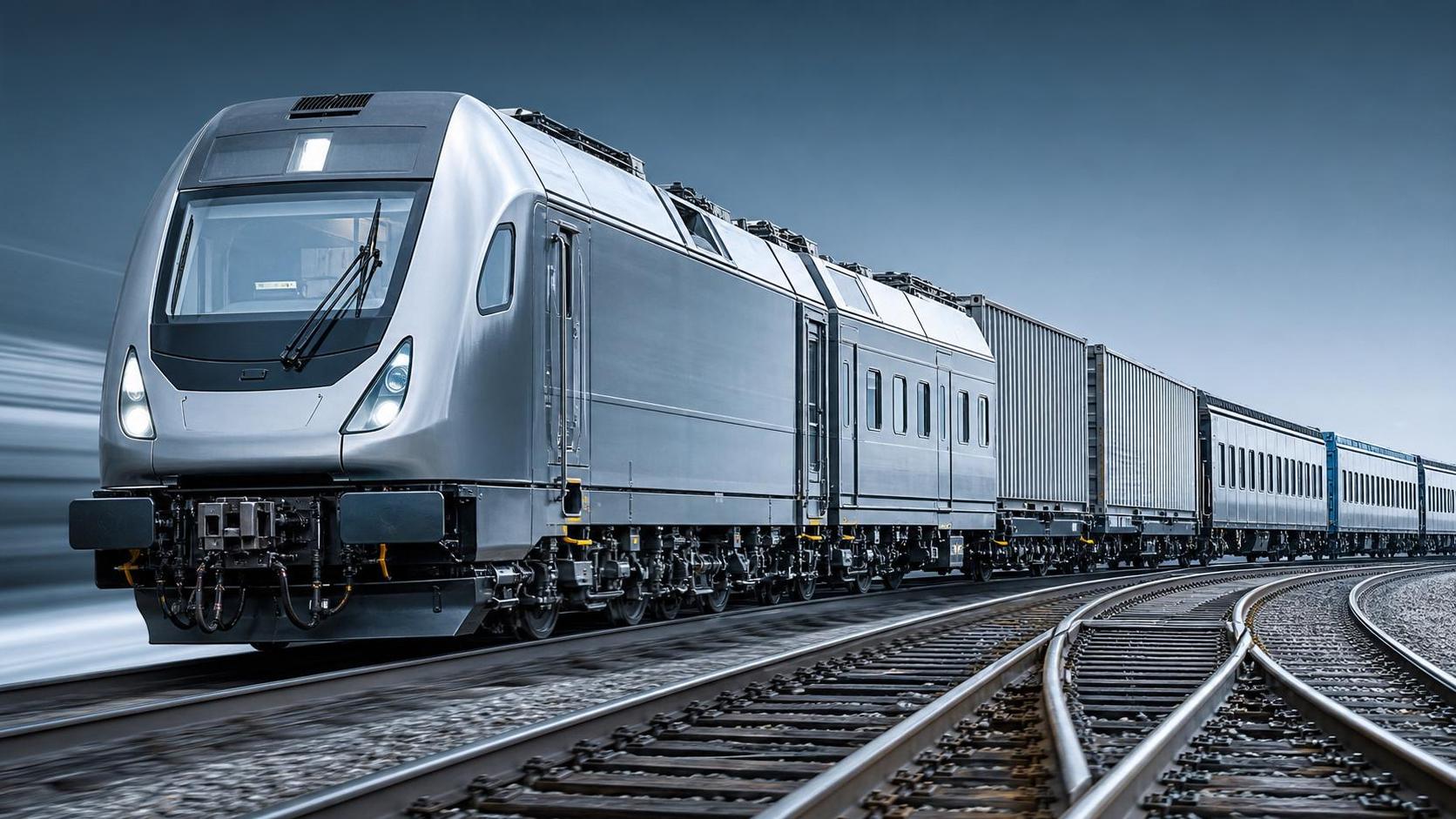
Railway suspension damping sits at the center of ride stability because it governs how a vehicle absorbs motion from track joints, curves, switches, uneven loading, and speed changes.
In both freight and passenger service, damping affects wheel-rail contact, body movement, braking confidence, component wear, and the margin between normal vibration and unsafe dynamic behavior.
That makes it more than a comfort issue. Across heavy-haul corridors, intermodal links, and modernized rail systems, railway suspension damping is closely tied to reliability, maintenance planning, and regulatory performance.
For organizations working across rolling stock, infrastructure, signaling, and corridor engineering, the topic matters because vehicle stability never exists in isolation. It is shaped by the entire operating environment.
What damping actually does on a railway vehicle
Springs carry load and allow movement. Dampers control that movement.
Without damping, the suspension would keep oscillating after every disturbance. With too little control, the carbody bounces, rolls, and hunts. With too much, the vehicle becomes harsh and less adaptable to track inputs.
In simple terms, railway suspension damping converts unwanted motion into dissipated energy. The result is a calmer vehicle response and more consistent wheel loading.
Most rail vehicles rely on primary and secondary suspension stages. Primary suspension works near the axle or bogie frame. Secondary suspension manages body-level isolation and stability.
Each stage needs damping, but not for the same reason. One controls contact and running gear behavior. The other shapes ride quality, roll response, and body motion at speed.
Why ride stability depends on it
Ride stability is the vehicle’s ability to remain controlled when forces change quickly. That includes vertical shocks, lateral sway, yaw motion, and load transfer through curves and turnouts.
Railway suspension damping directly shapes how those forces are managed. When damping is matched to speed, axle load, and track condition, movement settles quickly instead of amplifying.
This has several practical effects:
- more stable wheel-rail contact through curves and irregular track zones;
- reduced risk of excessive bounce, roll, or yaw after disturbances;
- improved braking and traction consistency under changing loads;
- lower stress on bogies, bearings, couplers, and body structures.
In heavy-haul service, the stakes are higher because long consists, high axle loads, and variable cargo distribution can magnify poor dynamic behavior.
In passenger service, the same principle affects comfort and speed confidence, but freight operators see it clearly in wheel wear, hunting behavior, and maintenance intervals.
The current industry focus is broader than comfort
Rail networks are being asked to move more tonnage with tighter reliability targets and lower lifecycle cost. That shifts attention toward dynamic performance, not just static design ratings.
From a corridor engineering perspective, railway suspension damping now sits alongside track quality, signaling discipline, braking systems, and asset monitoring.
This is especially relevant in the environment described by G-RFE, where rolling stock, rail infrastructure, smart signaling, port interfaces, and specialized machinery all influence system performance.
A wagon or locomotive with poorly tuned damping can create downstream problems even on a well-maintained route. The reverse is also true. Strong vehicle design cannot fully mask weak track geometry.
That is why benchmark frameworks such as UIC, EN, and AAR remain useful. They help connect suspension behavior with measurable operating outcomes rather than subjective impressions.
Where poor damping shows up in daily operation
Problems linked to railway suspension damping rarely announce themselves with one single failure. More often, they appear as repeated symptoms across vehicles, routes, or maintenance records.
These signals matter because they can be misread as separate issues. In practice, damping quality often sits behind several of them at once.
Different operating contexts need different damping priorities
Heavy-haul freight
Loaded wagons, long trains, and high axle loads demand strong control of vertical and lateral motion. Stability under load transfer becomes a core issue, especially on mixed-quality infrastructure.
Intermodal and port-connected corridors
Here, operating conditions change quickly. Start-stop cycles, variable consist composition, and tight route interfaces make predictable railway suspension damping valuable for consistent handling and asset protection.
Higher-speed passenger routes
Passenger applications place greater emphasis on body motion, hunting suppression, and curve behavior. Small damping errors become more visible as speed increases.
Mixed-traffic networks
This is often the hardest environment. Vehicles with different masses, suspension designs, and duty cycles share the same infrastructure, so damping decisions must reflect broader network interaction.
How to assess railway suspension damping in practice
A useful assessment starts with behavior, not only component specification. A damper may meet a catalog value and still perform poorly in service if the system match is wrong.
The following checks usually provide a stronger picture:
- compare loaded and unloaded vehicle response, not just nominal conditions;
- review wheel wear, rail wear, and bogie maintenance records together;
- track speed-dependent instability, especially on known geometry transitions;
- check whether damping performance drifts with temperature, contamination, or service age;
- align vehicle findings with route condition, turnout quality, and track maintenance history.
This broader view fits the G-RFE approach to technical intelligence. Vehicle dynamics should be read against infrastructure, standards compliance, and operational reality.
What makes a damping decision commercially and technically sound
A sound decision balances performance, durability, maintainability, and route fit. The best railway suspension damping setup is rarely the stiffest or the softest one.
It is the one that keeps the vehicle stable across real operating conditions, while supporting acceptable wear rates and inspection intervals.
Three questions help frame the decision:
- What speeds, loads, and track classes define actual service?
- Which instability or wear patterns are already visible in the fleet?
- How will the damping choice perform against UIC, EN, or AAR expectations?
That keeps the discussion anchored in evidence. It also avoids treating damping as a minor consumable when it is really a system-level performance variable.
A practical next step for rail operations
Railway suspension damping deserves review whenever a fleet shows recurring vibration, unusual wheel or rail wear, unstable high-speed behavior, or inconsistent ride across similar routes.
The most useful next step is to map suspension performance against service conditions, track quality, and maintenance evidence instead of judging parts in isolation.
For rail programs operating across freight corridors, intermodal nodes, and modern signaling environments, that wider assessment usually reveals where ride stability is being gained or lost.
From there, comparison becomes clearer: current damping behavior, target operating envelope, applicable standards, and the lifecycle impact on both vehicles and infrastructure.
That is the basis for better decisions on inspection priorities, retrofit planning, procurement criteria, and long-term network reliability.
Industry Briefing
Get the top 5 industry headlines delivered to your inbox every morning.