
How to Assess Rail Freight Systems Capacity Bottlenecks

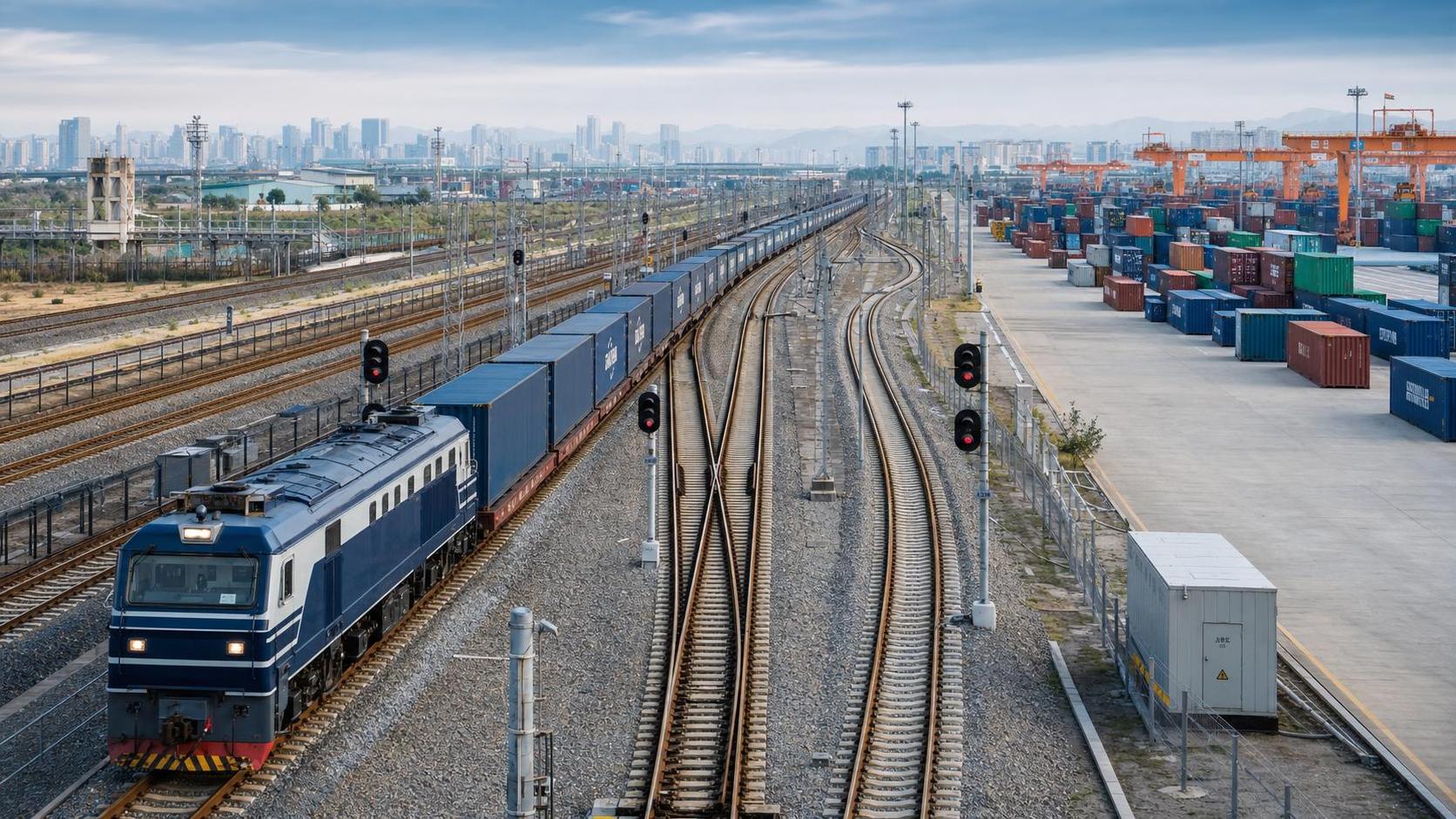
How to Assess Rail Freight Systems Capacity Bottlenecks
Understanding rail freight systems capacity is essential when demand rises faster than network performance. Congestion, delay, and asset underuse rarely come from one weak point alone.
In most corridors, capacity bottlenecks develop across track, terminals, locomotives, wagons, and signaling. A good assessment separates local symptoms from system-wide constraints.
That matters for investment timing. It also matters for choosing whether operational changes, engineering upgrades, or digital control improvements will unlock the most usable capacity.
For rail authorities, manufacturers, and corridor operators, the goal is practical. You need a repeatable way to measure rail freight systems capacity before spending on the wrong fix.
Start With the Right Definition of Capacity
Capacity is not just train count per day. For freight, it includes payload, axle load, turnaround time, path reliability, and the ability to absorb disruption without collapse.
This is where many assessments fail. They measure theoretical line slots, while the real rail freight systems capacity is limited by uneven demand and slow recovery after minor incidents.
A useful baseline combines four dimensions:
- Infrastructure capacity, including track, sidings, gradients, and crossing loops.
- Rolling stock capacity, including locomotive power, wagon availability, and maintenance cycles.
- Control capacity, including signaling headways, dispatch quality, and communications resilience.
- Node capacity, including yards, ports, loading terminals, and border interfaces.
From a decision perspective, this broader definition gives a more realistic view of rail freight systems capacity. It also prevents overbuilding one asset class while another remains constrained.
Map the Corridor Before Diagnosing Bottlenecks
Before comparing options, map the full freight corridor. Include origin loading points, mainline sections, yards, maintenance depots, intermodal terminals, and final discharge locations.
This step sounds basic, but it changes the quality of the diagnosis. A congested mainline may actually reflect terminal dwell, locomotive imbalance, or poor path allocation upstream.
Use a corridor map that shows:
- Track sections by length, speed, gradient, and signaling system.
- Passing loops, double-track sections, and conflict points with passenger traffic.
- Terminal throughput by hour, day, and peak season.
- Fleet deployment, spare ratios, and heavy maintenance windows.
- Cross-border rules, customs dwell, and interoperability constraints.
In actual operations, rail freight systems capacity is often limited by the worst two or three interfaces, not by the average condition of the route.
Measure Infrastructure Constraints First
Infrastructure still sets the hard ceiling for most heavy-haul and mixed-traffic corridors. If the physical network cannot support volume growth, operational improvements will only delay congestion.
Focus on a short list of indicators that directly shape rail freight systems capacity:
- Track occupancy rate during peak windows.
- Average and worst-case headway by section.
- Loop length versus actual train length.
- Axle load limits and bridge restrictions.
- Temporary speed restrictions and maintenance possessions.
Loop length is especially important. If trains are getting longer, short loops can destroy timetable flexibility, even when headline track capacity appears acceptable.
Another clear signal is recurring maintenance-related delay. When renewal work consumes too many access windows, the network may be running beyond sustainable rail freight systems capacity.
Check Rolling Stock and Traction Availability
Many capacity studies overemphasize infrastructure and ignore traction. Yet locomotive reliability, power-to-tonnage ratio, and wagon turnaround can reduce corridor output more than a single-track section.
Look at fleet performance in operating terms, not procurement totals. The relevant question is how much usable rail freight systems capacity the active fleet delivers each week.
Key checks include:
- Locomotive availability, reliability, and mean time between failures.
- Wagon cycle time from loading to return.
- Power margins on gradients and long-distance sections.
- Workshop throughput and spare parts exposure.
- Compatibility with axle loads, brake systems, and digital monitoring.
A common pattern is hidden capacity loss from poor wagon rotation. If loaded trains move well but empties return slowly, the whole rail freight systems capacity model becomes unstable.
Assess Signaling, Dispatching, and Control Logic
More corridors now depend on digital control to unlock throughput. Still, signaling upgrades should be assessed against real traffic patterns, not just vendor claims about reduced headway.
For mixed fleets and cross-border routes, CBTC, ETCS, GSM-R, or related systems can improve rail freight systems capacity. The gain depends on integration discipline and dispatch quality.
Review three layers together:
- Signal spacing, route setting, and headway rules.
- Dispatcher decision logic during disturbances.
- Data visibility across operators, terminals, and border agencies.
A corridor can have modern signaling and still suffer poor rail freight systems capacity if dispatch rules favor short-term punctuality over freight path stability.
More telling signals include frequent resequencing, inconsistent slot adherence, and weak disruption recovery. These are control issues, even when field assets appear technically compliant.
Do Not Ignore Yards, Ports, and Intermodal Interfaces
In many trade corridors, the biggest bottlenecks sit off the mainline. Yard classification delays, crane conflicts, and port gate peaks can cap rail freight systems capacity long before line saturation.
This is more visible where rail supports containerized, bulk, and industrial cargo flows at the same time. Node friction spreads quickly across the timetable.
Evaluate node performance through:
- Terminal dwell time and peak-hour berth or crane utilization.
- Yard rehandling rates and shunting availability.
- Train assembly time and departure punctuality.
- Truck-rail synchronization for intermodal handoff.
- Customs, inspection, and documentation cycle times.
In practical terms, rail freight systems capacity should be measured from cargo entry to cargo exit. Anything less creates blind spots in capital planning.
Use a Bottleneck Scoring Framework
Once the data is assembled, score each constraint by severity, frequency, investment need, and effect on corridor throughput. This makes option comparison more defensible.
This framework helps separate tactical fixes from structural issues. It also improves discussions between engineering teams, operators, and procurement stakeholders.
Compare Improvement Options by Payback and Risk
The best answer is not always the largest project. In some corridors, timetable redesign and wagon cycle control improve rail freight systems capacity faster than major civil works.
A balanced evaluation should compare each option on five points:
- Capacity gain within twelve to twenty-four months.
- Capital intensity and funding complexity.
- Operational disruption during implementation.
- Interoperability with UIC, EN, and AAR aligned requirements.
- Long-term fit with traffic growth and decarbonization strategy.
From recent market shifts, a stronger signal is emerging. Buyers increasingly prefer staged programs that combine digital visibility, targeted infrastructure, and fleet efficiency upgrades.
That approach lowers investment risk while building rail freight systems capacity in measurable steps. It also makes post-project performance easier to verify.
A Practical Decision Path
A sound capacity review should end with a clear decision path, not a generic wishlist. The strongest assessments move from diagnosis to prioritized action.
Use this sequence:
- Define current and target rail freight systems capacity in operational terms.
- Map the corridor and isolate recurring failure points.
- Test whether the binding limit is physical, operational, or institutional.
- Score solutions by throughput gain, cost, timing, and execution risk.
- Phase investments so early wins support larger corridor upgrades.
When done well, this process turns rail freight systems capacity from a vague planning topic into a decision-ready investment case. That is what stronger corridor performance depends on.
The immediate next step is simple: audit one active corridor using the framework above, validate the top two bottlenecks with operating data, and link every proposed upgrade to measurable capacity release.
Industry Briefing
Get the top 5 industry headlines delivered to your inbox every morning.