
Food Production Equipment Shipping: Damage Risks and Controls

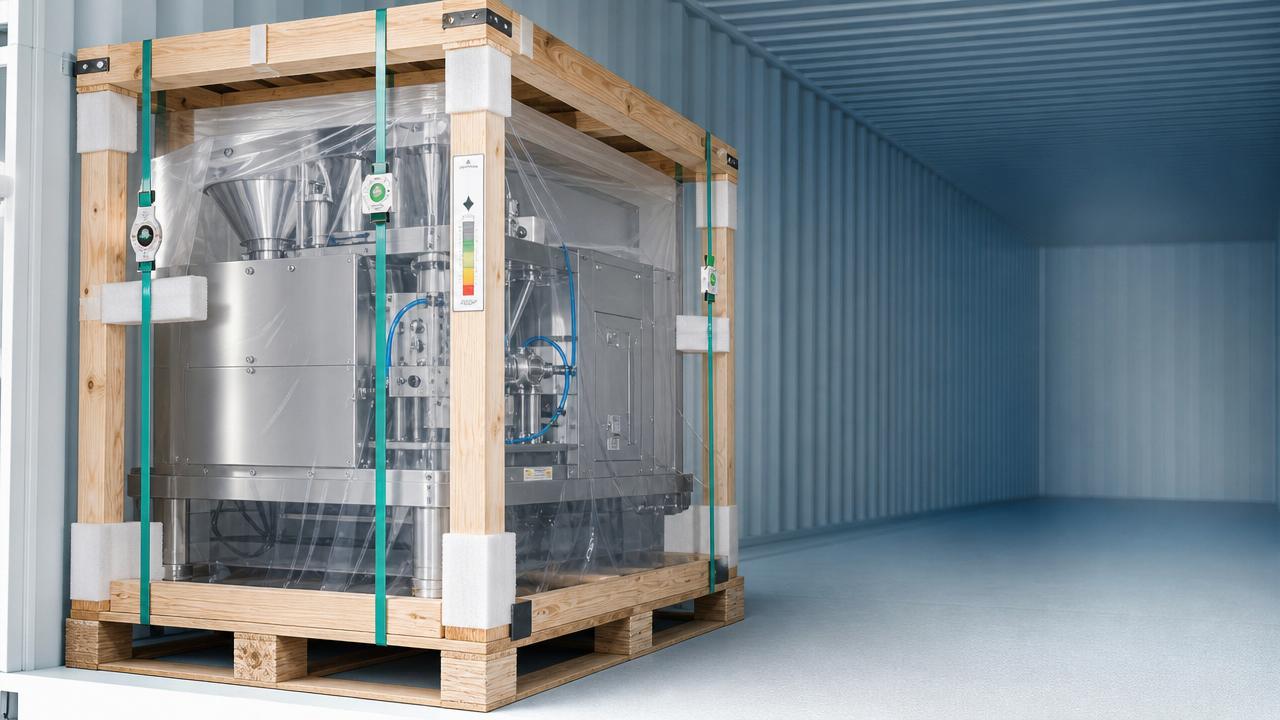
Shipping food production equipment is never just a logistics task—it is a quality, safety, and compliance challenge. For quality control and safety managers, even minor transit damage to mixers, conveyors, sterilizers, or packaging lines can lead to contamination risks, installation delays, failed inspections, and costly downtime. This article examines the key damage risks in food production equipment shipping and outlines practical controls, from packaging and vibration management to inspection protocols and carrier accountability, to help teams protect equipment integrity from dispatch to commissioning.
Why Food Production Equipment Shipping Requires Quality-Led Control
Food production equipment is exposed to mechanical, environmental, and procedural risks during transport. The risk is higher when equipment includes polished stainless steel, calibrated sensors, hygienic seals, or programmable controls.
For quality control and safety managers, the problem is not only whether equipment arrives. The critical question is whether it arrives clean, intact, traceable, and ready for safe installation.
- A dented hopper or damaged conveyor frame may create cleaning blind spots and increase microbial retention risk.
- A shifted sterilizer, filler, or mixer may require requalification before production can begin.
- A missing inspection record may weaken insurance claims, supplier accountability, or audit readiness.
- A delayed line component can stop downstream commissioning, even if most equipment has arrived safely.
This is where transport discipline matters. G-RFE’s technical intelligence approach to heavy freight corridors, intermodal rail-port systems, and engineering risk control is relevant beyond railway hardware.
The same principles used for heavy-haul assets—load restraint, vibration awareness, documentation, route planning, and standards-based inspection—can strengthen food production equipment shipping decisions.
Main Damage Risks During Food Production Equipment Transport
Damage is rarely caused by one dramatic event. It often results from small handling errors, poor restraint, mixed cargo, humidity, or insufficient verification at transfer points.
The following table helps safety managers connect visible damage with operational consequences before equipment is released for installation.
The table shows why cosmetic damage should not be dismissed too quickly. In food production equipment, a surface defect can become a cleaning, validation, or safety issue.
Hidden Damage Is Often More Expensive Than Visible Damage
A cracked panel is easy to see. A strained load cell, loosened pneumatic line, or contaminated gasket may only appear during installation or trial production.
That delay creates disputes between supplier, carrier, insurer, installer, and plant management. Clear receiving protocols reduce ambiguity and accelerate corrective action.
Packaging and Load Restraint Controls That Actually Reduce Damage
Packaging should be engineered around equipment geometry, transport mode, route risk, and cleanliness requirements. A generic wooden crate is rarely enough for sensitive machinery.
- Use rigid base structures that match the equipment’s center of gravity and prevent twisting during lifting.
- Protect food-contact surfaces with clean, non-shedding materials that do not leave residue on stainless steel.
- Separate detachable parts, guards, sensors, and belts, then label them against the packing list.
- Install blocking, bracing, and tie-down points without stressing hygienic joints or delicate assemblies.
- Place shock, tilt, and humidity indicators where receiving teams can inspect them before unloading.
Food production equipment often moves through truck, rail, port, warehouse, and final-mile handling. Each transfer adds exposure unless responsibility is documented.
G-RFE’s intermodal rail-port perspective is useful here. Heavy freight discipline emphasizes controlled handover, route visibility, and load integrity at each transport interface.
When Rail Freight Is a Practical Option
Rail can be attractive for long-distance movement of large food production equipment, especially when emissions, capacity, and predictable corridor planning matter.
However, rail transport still requires attention to vibration, terminal handling, blocking, and container condition. The mode is not automatically safer without engineered controls.
Choosing Transport Modes: Cost, Risk, and Control Trade-Offs
The best shipping method depends on equipment value, delivery urgency, hygiene sensitivity, route complexity, and available receiving resources. Cost should not be assessed alone.
For food production equipment, the transport mode must support damage prevention, traceability, and inspection readiness from factory gate to installation site.
A lower freight quote may become expensive if it increases inspection failures or commissioning delays. Total risk cost should include downtime, rework, cleaning, and recertification.
Inspection Protocols for Quality Control and Safety Managers
Inspection should begin before shipment, not after arrival. Pre-dispatch evidence gives receiving teams a baseline for judging transit damage objectively.
- Confirm equipment identification, serial references, packing list, accessory count, and critical component labels before loading.
- Photograph food-contact surfaces, control panels, lifting points, crate condition, and all installed indicators.
- Record packaging materials used around hygienic surfaces, electronic cabinets, sensors, hoses, and precision assemblies.
- Require carrier sign-off on load condition, restraint method, seal numbers, and special handling instructions.
- At receiving, inspect the shipment before unloading whenever safe access allows, especially if indicators are triggered.
Arrival inspection should not be rushed because installation teams are waiting. If food production equipment is compromised, early quarantine is cheaper than later rework.
Receiving Checklist for High-Risk Equipment
High-risk equipment includes sterilizers, fillers, CIP systems, packaging lines, conveyors with belts, mixers, depositors, and any unit with embedded electronics.
- Check crate integrity, moisture marks, tilt indicators, shock indicators, seals, and signs of unauthorized opening.
- Verify stainless surfaces for dents, scratches, discoloration, trapped debris, or residues from packaging materials.
- Inspect control cabinets for loose cables, cracked displays, condensation, missing labels, or abnormal odors.
- Compare delivered accessories with the packing list before discarded packaging is removed from the site.
Standards, Documentation, and Compliance Signals to Watch
Transport documentation supports quality systems, insurance claims, supplier review, and safety investigations. It is especially important when food production equipment crosses borders.
The following compliance map does not replace legal advice, but it gives teams practical checkpoints for procurement and shipment planning.
G-RFE’s benchmarking mindset is valuable because transport decisions should be traceable. Standards-based language reduces vague instructions and makes carrier accountability easier.
Procurement Questions Before Booking a Shipment
Procurement decisions often focus on freight price and delivery date. For safety managers, the better question is whether the shipment plan protects equipment function.
Questions for the Supplier
- Which parts of the food production equipment are most sensitive to shock, moisture, or surface abrasion?
- Can the supplier provide pre-dispatch photos, inspection records, and packaging specifications before collection?
- Are food-contact surfaces protected with materials compatible with cleaning and hygiene expectations?
- Which components must be removed, locked, or braced before long-distance movement?
Questions for the Carrier
- What handling points, transfer locations, and storage conditions will the equipment experience?
- Can the carrier support shock indicators, seal control, humidity checks, and signed handover records?
- Does the route include rail terminals, ports, customs holds, or warehouses with additional handling risk?
- What evidence is required if damage is discovered during receiving inspection?
These questions turn food production equipment shipping from a purchasing transaction into a controlled quality process with visible responsibilities.
Common Mistakes That Lead to Damage Claims and Delays
Many damage disputes are preventable. They usually occur because teams assume the supplier, freight forwarder, or installer has already covered every risk.
- Treating food production equipment like ordinary industrial cargo, without considering hygienic surfaces or commissioning requirements.
- Accepting vague packaging terms such as “export crate” without defining moisture control, bracing, or sensor protection.
- Failing to inspect before unloading, which may hide whether damage occurred during transport or site handling.
- Discarding packaging before all accessories, small components, manuals, and records have been checked.
- Ignoring triggered indicators because there is no visible external damage on the crate.
A disciplined process may appear slower at the beginning. In practice, it prevents longer delays caused by missing evidence, rework, or failed installation checks.
FAQ: Practical Answers for Food Production Equipment Shipping
How should we choose packaging for food production equipment?
Start with equipment sensitivity, not crate price. Identify food-contact surfaces, calibrated parts, electronics, and lifting points, then specify bracing, clean protection, and moisture control.
Is rail suitable for shipping large food production equipment?
Rail can be suitable when the route is predictable and intermodal handling is controlled. It is especially relevant for heavy machinery and lower-carbon freight strategies.
What should be inspected first when equipment arrives?
Check crate condition, seals, shock and tilt indicators, moisture evidence, and documentation before unloading. Then inspect hygienic surfaces, controls, accessories, and alignment-sensitive parts.
Who should own the damage control process?
Quality control should define acceptance criteria, safety should assess contamination and handling risks, procurement should include requirements, and logistics should enforce carrier documentation.
Why Choose G-RFE for Transport Risk Intelligence and Planning Support
G-RFE helps decision-makers translate heavy-freight engineering discipline into practical shipment controls for complex industrial equipment, including food production equipment moving through intermodal corridors.
Our strength lies in technical benchmarking, rail-port systems knowledge, corridor risk analysis, and standards-aware documentation. This supports safer planning before procurement teams commit to a route.
- Consult us to review route suitability, intermodal transfer risks, and packaging requirements for heavy or sensitive equipment.
- Request support for parameter confirmation, including weight, dimensions, center of gravity, restraint needs, and monitoring indicators.
- Discuss delivery cycle planning where rail, port, truck, warehouse, and commissioning timelines must be coordinated.
- Ask for documentation guidance covering inspection records, carrier accountability, standards references, and acceptance checkpoints.
- Engage our team when comparing transport alternatives, custom handling plans, compliance expectations, or quotation assumptions.
Food production equipment shipping succeeds when logistics, quality, safety, and engineering are aligned early. Contact G-RFE to clarify risks before damage becomes downtime.
- Rail Port Systems Procurement: Evaluating Integration, Lifecycle Cost, and Vendor ScopeTime : Sep 10, 2026
- Rail Port Logistics Systems: Key Integration Requirements for Automated Container YardsTime : Sep 02, 2026
- How Rail Port Logistics Systems Improve Container Yard Throughput and Dwell TimeTime : Sep 02, 2026
Industry Briefing
Get the top 5 industry headlines delivered to your inbox every morning.