
High Capacity Wagon Benchmarks: Payload, Axle Load, and Lifecycle Cost

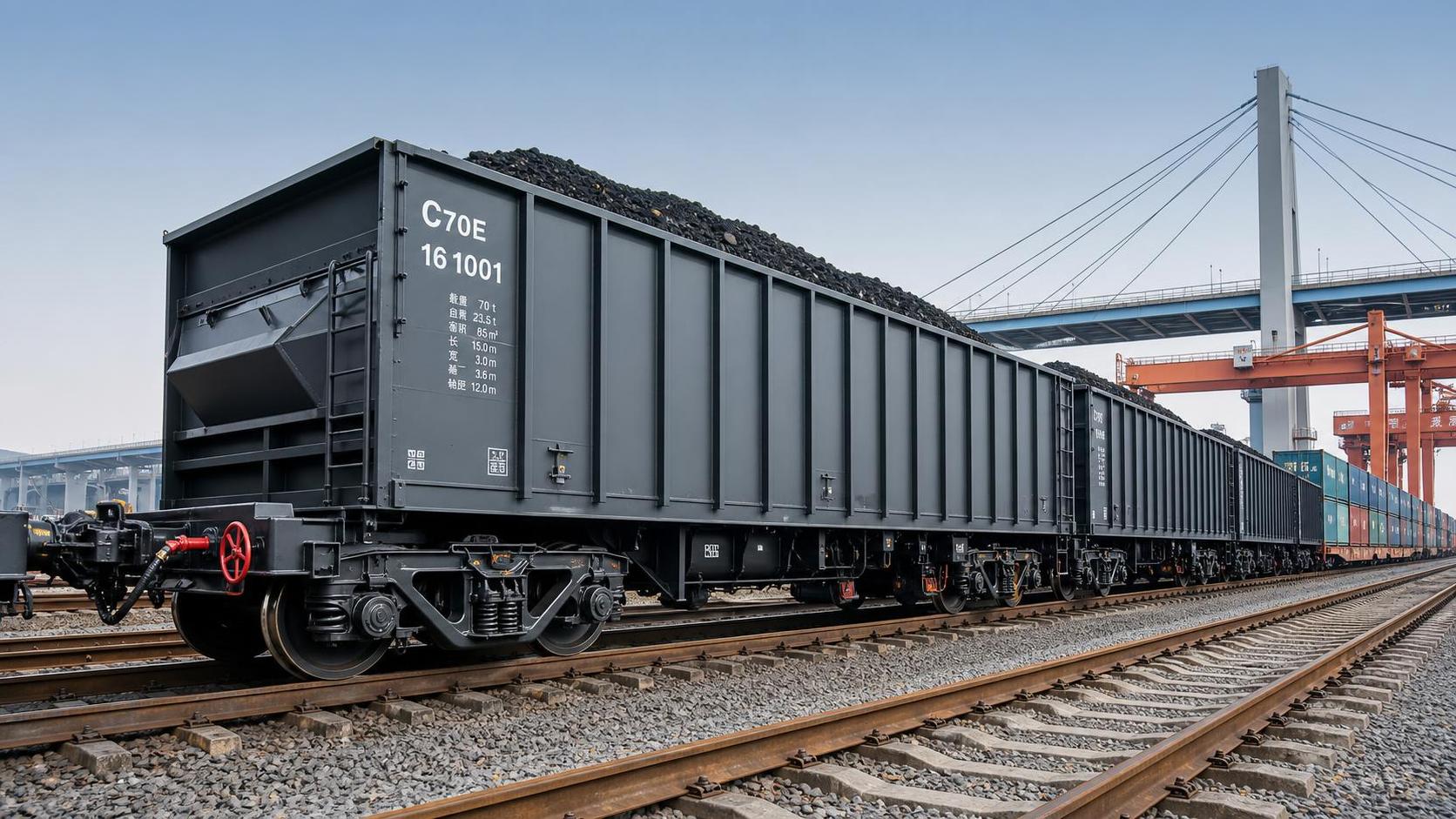
High Capacity Wagon Benchmarks: Payload, Axle Load, and Lifecycle Cost
For fleet upgrade decisions, high capacity wagon benchmarks give a grounded way to compare real transport value.
Payload, axle load, and lifecycle cost shape the business case more than headline capacity alone.
That matters across heavy-haul, bulk, and intermodal rail networks with different route and maintenance constraints.
A wagon that looks efficient on paper can still underperform once track class, loading profile, and workshop cycles are considered.
Why high capacity wagon benchmarks matter in procurement
In practical buying decisions, high capacity wagon benchmarks reduce guesswork and expose tradeoffs early.
They help compare wagons across three linked questions: how much can be carried, where can it run, and what will it cost over time.
More recent market shifts make this even more relevant.
Rail operators are under pressure to move more tonnage with fewer train paths, lower emissions, and tighter maintenance windows.
That means benchmark work can no longer stop at tare weight and nominal payload.
The better approach is to connect high capacity wagon benchmarks with route access, wheel and bogie wear, brake performance, and asset life.
Core metrics behind high capacity wagon benchmarks
A useful benchmark set should stay compact but decision-oriented.
The most relevant metrics usually include the following.
- Payload per wagon: the net cargo capacity available under approved operating conditions.
- Tare weight: the empty mass that directly affects payload efficiency.
- Axle load: the load transferred to track, bridges, and turnout systems.
- Payload-to-tare ratio: a fast indicator of structural efficiency.
- Cubic volume: critical for low-density commodities and containerized cargo.
- Maintenance interval: inspection and overhaul frequency across bogies, braking, and body structure.
- Availability rate: the percentage of time the wagon is ready for service.
- Lifecycle cost per tonne-kilometer: the most useful long-range commercial indicator.
These measures make high capacity wagon benchmarks easier to compare across suppliers following UIC, EN, or AAR frameworks.
They also keep evaluation grounded in operating reality instead of brochure claims.
Payload efficiency is more than a bigger number
Payload is the first number most teams look at, but it should never stand alone.
A wagon with higher nominal payload may bring weaker economics if tare weight rises too far.
This is why high capacity wagon benchmarks should compare payload-to-tare ratio and train-level payload efficiency together.
In mineral, coal, grain, and aggregate traffic, small tare reductions can create meaningful annual tonnage gains.
In intermodal service, cubic volume and deck arrangement may matter as much as nominal tonnes.
That is where benchmark context becomes important.
A heavy-duty bulk wagon should be assessed against loading cycles, discharge speed, and structural fatigue expectations.
An intermodal wagon should be measured against container flexibility, turnaround time, and terminal handling compatibility.
Axle load benchmarks and route compatibility
Axle load is often the point where attractive specifications meet infrastructure limits.
A wagon designed for higher axle load can improve payload, but only if the corridor can support it consistently.
This includes rail section, sleeper condition, bridge rating, turnout design, and maintenance practice.
So, strong high capacity wagon benchmarks always map vehicle data to route class.
More importantly, they show where restrictions begin to reduce theoretical payload gains.
This also means a lower axle load wagon may deliver better network utilization if it runs without restriction across more lanes.
How lifecycle cost changes the ranking
Purchase price is only the opening number.
High capacity wagon benchmarks become more useful when they include the full asset life.
Lifecycle cost typically includes acquisition, commissioning, preventive maintenance, corrective repair, component replacement, energy impact, downtime, and residual value.
In actual operations, bogie wear, wheel reprofiling, brake component life, and corrosion resistance often drive cost differences.
A wagon with a stronger structure or smarter component layout can cost more upfront yet reduce workshop hours across the fleet.
That is why high capacity wagon benchmarks should compare cost per operating year and cost per tonne-kilometer.
When those two numbers diverge, deeper engineering review is usually needed.
A practical benchmark checklist for supplier comparison
To make supplier comparison cleaner, use a benchmark sheet that combines technical and commercial filters.
- Confirm payload under the exact loading and route assumptions.
- Check axle load against the full corridor, including bridges and terminals.
- Review tare weight, body material, and fatigue design life.
- Verify compliance with UIC, EN, AAR, and local authority requirements.
- Assess bogie, brake, coupler, and wheelset maintenance intervals.
- Request availability history and failure mode records from similar fleets.
- Compare lifecycle cost using the same utilization and maintenance assumptions.
- Test spare parts support, technical documentation, and long-term service capability.
This kind of structure keeps high capacity wagon benchmarks useful during both tender review and final negotiation.
It also helps separate true engineering value from selective specification marketing.
Common decision risks when using high capacity wagon benchmarks
Several mistakes appear repeatedly in wagon selection exercises.
- Overweighting maximum payload without testing route restrictions.
- Ignoring dynamic behavior and focusing only on static axle load.
- Assuming maintenance intervals will remain unchanged across harsher duty cycles.
- Comparing supplier lifecycle models built on different utilization assumptions.
- Missing terminal interface issues such as discharge systems, loading equipment, or container lock compatibility.
The clearer signal is that benchmark quality depends on comparable assumptions.
Without that, even detailed high capacity wagon benchmarks can lead to weak procurement decisions.
Turning benchmark data into a final decision
The most effective selection process narrows the choice in stages.
First, screen all candidates for route compatibility, standards compliance, and target payload.
Next, rank them using high capacity wagon benchmarks tied to lifecycle cost and fleet availability.
Then validate the top options with engineering, maintenance, and operations teams together.
This cross-check matters because the cheapest compliant wagon is not always the strongest long-term asset.
A better final decision usually comes from balancing payload growth, axle load discipline, and cost stability over service life.
That is where high capacity wagon benchmarks deliver their real value.
Used properly, they turn wagon selection from a price comparison into a corridor-level performance decision with clearer return on investment.
Industry Briefing
Get the top 5 industry headlines delivered to your inbox every morning.