
Intermodal Rail-Port Costs: Where Delays Usually Start

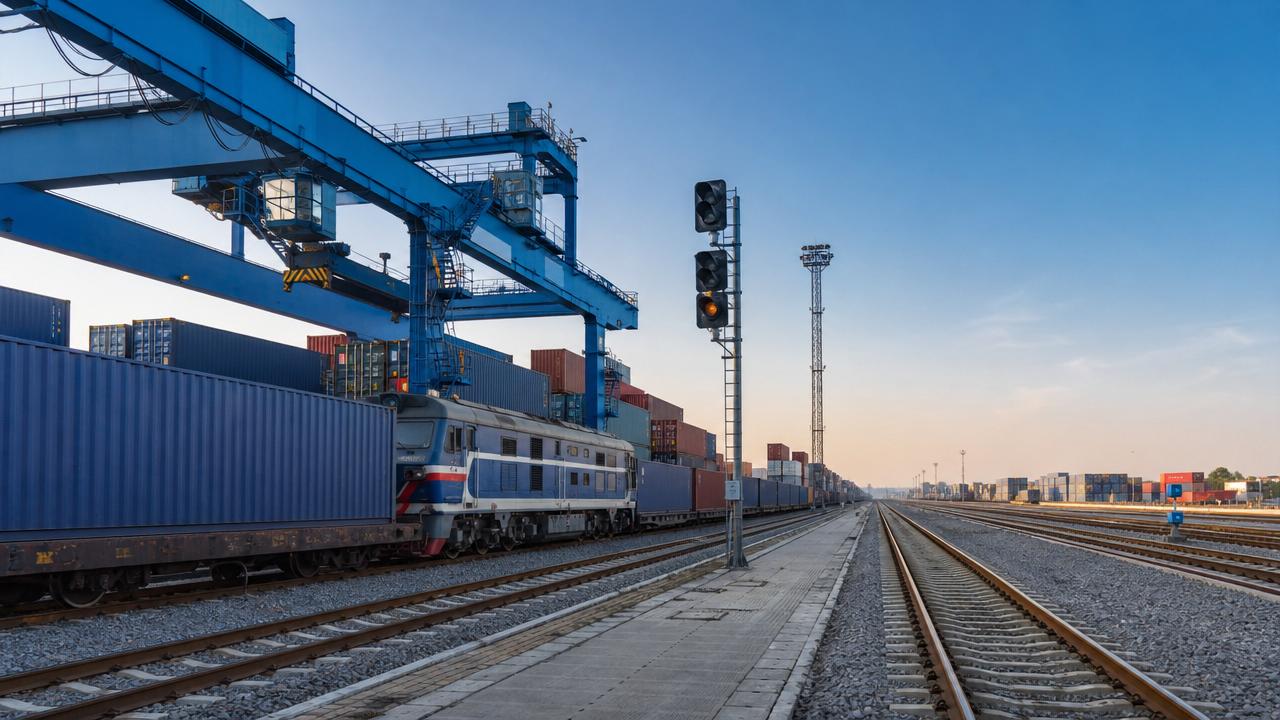
In intermodal rail-port projects, cost overruns rarely begin with a single headline failure; they usually emerge from small, repeated delays at the interfaces between quay operations, yard planning, rail scheduling, documentation, and infrastructure readiness. For project managers and engineering leads, understanding where these friction points originate is essential to protecting delivery timelines, asset utilization, and contract margins. This article examines the typical delay triggers in intermodal rail-port systems and explains how better coordination, data visibility, and technical planning can reduce avoidable costs.
Where Intermodal Rail-Port Delays Usually Begin
An intermodal rail-port terminal is not only a transfer point. It is a synchronized production system connecting vessels, cranes, trucks, rail yards, locomotives, customs, and digital control.
Delays often start when one interface is planned as a standalone activity. A berth may be productive, while the rail siding is blocked by documentation, wagon availability, or signaling constraints.
For project managers, the challenge is not identifying delay after it appears. The challenge is recognizing which interface will turn small variability into recurring cost leakage.
Common Starting Points for Cost Leakage
- Vessel discharge sequences that do not match the rail departure plan, causing containers to be rehandled before loading.
- Rail paths confirmed too late, leaving cargo staged in the terminal while locomotives, crews, or wagons wait elsewhere.
- Customs, dangerous goods, or security documentation not aligned with the physical movement plan.
- Infrastructure readiness gaps, including unfinished track sections, incomplete signaling interfaces, or limited yard lighting.
G-RFE reviews these issues through technical intelligence across rail infrastructure, rolling stock, smart signaling, and intermodal rail-port systems, rather than treating them as isolated operational complaints.
Interface Risk Map for Project Managers
The most useful risk map links each delay source to a contract consequence. This helps engineering leads prioritize decisions before commissioning or expansion work begins.
This table shows why intermodal rail-port cost control should begin at interface design. Once physical congestion appears, recovery costs exceed prevention costs.
Why Quay Productivity Can Hide Rail-Port Inefficiency
A terminal may report strong crane moves per hour while rail-linked cargo still misses departure. The apparent success of one subsystem can mask system-level underperformance.
In intermodal rail-port planning, quay metrics must be read beside yard density, rail cut-off reliability, and train formation stability. Otherwise, throughput becomes fragmented.
Operational Signs That the Interface Is Failing
- Cranes remain productive, but rail-bound containers accumulate in mixed stacks with truck-bound cargo.
- Rail wagons are available, but loading begins late because cargo release status is incomplete.
- Yard equipment works continuously, yet a high percentage of moves are corrective rather than planned.
- Train departures vary by several hours, making corridor slot planning less reliable for downstream terminals.
G-RFE encourages project teams to evaluate intermodal rail-port performance as a network function, not as isolated port handling or rail haulage output.
Cost Categories That Expand When Delays Are Repeated
Delay costs are rarely limited to demurrage or penalties. In large intermodal rail-port programs, repeated micro-delays affect equipment sizing, labor allocation, and contract risk buffers.
The key lesson is simple: a low unit handling rate does not guarantee low intermodal rail-port cost if delays multiply hidden recovery actions.
Technical Planning Factors Often Underestimated
Engineering teams sometimes focus on track length and crane capacity, while underestimating control systems, train formation logic, and maintenance access. These details shape daily reliability.
Infrastructure and Systems Checklist
- Confirm that track layout supports the planned train length without frequent splitting or blocking of adjacent terminal movements.
- Check whether signaling, communications, and yard control interfaces are compatible with national railway requirements.
- Validate pavement strength, drainage, and lighting in areas where rail-bound containers are repeatedly staged.
- Define safe access for inspection, wagon brake testing, container securing, and emergency response activities.
International references such as UIC, EN, and AAR practices are useful when reviewing track geometry, rolling stock compatibility, loading constraints, and safety procedures.
G-RFE’s technical perspective connects heavy-haul locomotives, intelligent freight wagons, CBTC or ETCS-related communication principles, and port-side rail operations into one decision framework.
How to Compare Solution Options Before Procurement
Procurement teams should avoid choosing intermodal rail-port equipment or systems by purchase price alone. The decisive issue is whether the solution reduces interface uncertainty.
The best procurement decision is not always the most automated one. It is the option that matches volume volatility, labor model, regulatory exposure, and expansion plans.
Data Visibility: The Fastest Route to Delay Prevention
Many intermodal rail-port delays persist because teams use different clocks. The port sees berth time, the railway sees path time, and customs sees document time.
A shared readiness view should connect container status, train slot, wagon availability, inspection requirements, and exceptions. Without this, meetings become explanations rather than decisions.
Minimum Data Fields for Control Towers
- Container location, rail destination, hazard status, customs status, and latest allowable loading time.
- Wagon identity, technical availability, planned load position, and compatibility with commodity or container type.
- Locomotive and crew readiness, departure path confirmation, and downstream terminal acceptance window.
- Exception owner, resolution deadline, commercial consequence, and escalation route for unresolved blockers.
For engineering leaders, data fields should be defined during design and procurement, not added after operations discover recurring blind spots.
Implementation Sequence for Reducing Avoidable Costs
A practical intermodal rail-port improvement program should combine physical review, process discipline, and contractual alignment. Isolated software or equipment upgrades rarely solve interface failure.
Recommended Workstream Sequence
- Map actual container movements from quay discharge to final rail departure, including rehandles and waiting points.
- Compare operational reality with design assumptions for track occupancy, yard density, and equipment cycles.
- Create readiness gates covering cargo release, wagon availability, locomotive readiness, and corridor slot confirmation.
- Revise procurement specifications so equipment, systems, and civil works support the agreed operating model.
- Measure performance by root cause, not only by average dwell time or total monthly throughput.
This sequence helps project managers move from blame-based recovery to evidence-based prevention, which is essential in complex rail-port investment programs.
Compliance and Standards Questions That Affect Delivery
Compliance delays can be expensive because they often emerge late. Track, rolling stock, signaling, safety, and documentation rules must be reviewed as connected obligations.
G-RFE does not reduce compliance to paperwork. It evaluates whether standards-based decisions support daily operational reliability in real intermodal rail-port conditions.
FAQ: Practical Questions from Rail-Port Project Teams
How early should delay-risk analysis start in an intermodal rail-port project?
It should start before finalizing layout, system scope, and procurement packages. Once civil works, track length, and software interfaces are fixed, mitigation options narrow quickly.
What is the most common mistake when estimating rail-port cost?
Teams often estimate direct equipment and construction cost while underestimating repeated rehandling, missed slots, idle rolling stock, and late documentation recovery.
Does automation always reduce intermodal rail-port delay?
Automation helps when operating rules, data quality, and interface responsibilities are clear. If process ownership is weak, automation may only expose problems faster.
Which stakeholders should join the readiness review?
The review should include terminal operations, railway dispatch, rolling stock planners, EPC teams, customs representatives, safety managers, and commercial contract owners.
- Each stakeholder should own a measurable readiness gate rather than provide general comments after delays occur.
- The review should define escalation timing, acceptable variance, and recovery responsibilities for each critical interface.
Why Choose G-RFE for Intermodal Rail-Port Cost Control
G-RFE supports decision-makers managing the steel arteries of global trade with data-driven technical intelligence across rail freight, engineering systems, and strategic infrastructure planning.
For intermodal rail-port projects, our value is the ability to connect heavy-haul assets, track infrastructure, smart signaling, rolling stock, and port interfaces in one review.
Project managers can consult G-RFE on parameter confirmation, option comparison, procurement specifications, delivery schedule risk, regulatory alignment, and customized rail-port operating models.
If your project faces tight delivery requirements, unclear selection criteria, or recurring interface delays, contact G-RFE to discuss a structured technical review and cost-control roadmap.
Industry Briefing
Get the top 5 industry headlines delivered to your inbox every morning.