
What wheel wear rate data says about maintenance intervals

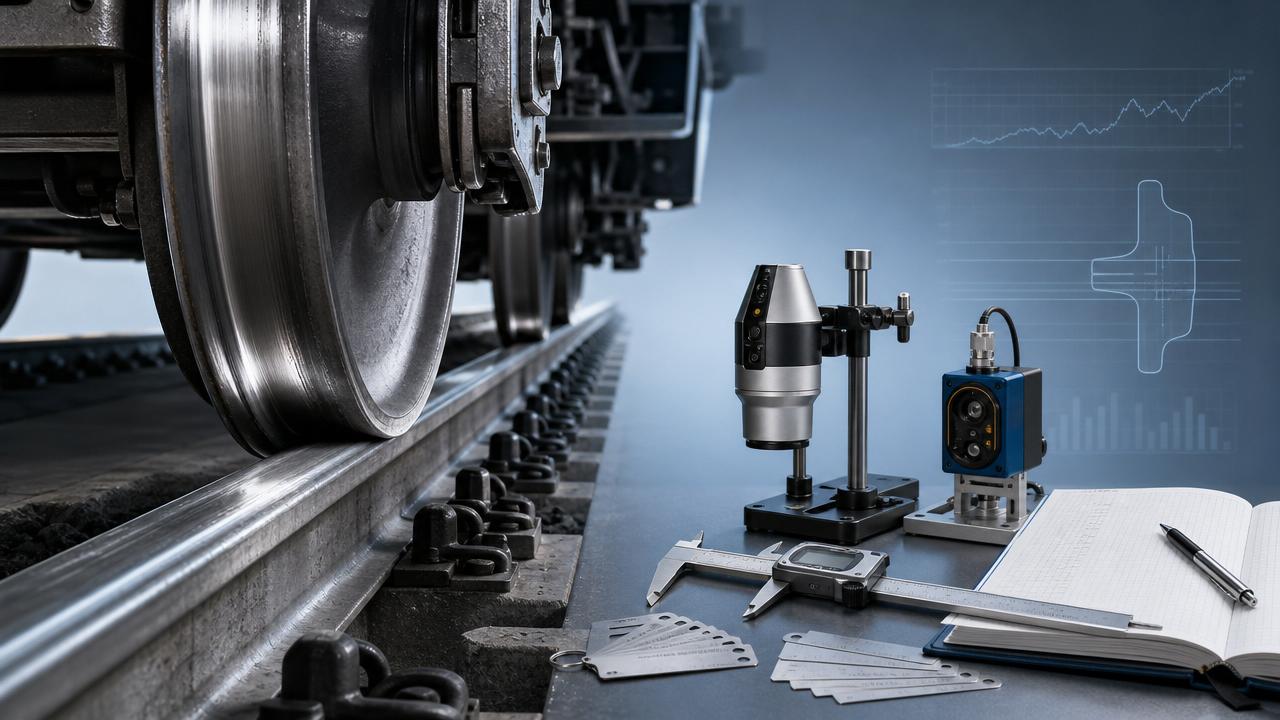
For aftermarket maintenance teams, railway wheel wear rate data is more than a record of degradation—it is a practical signal for planning safer, smarter service intervals. By translating wear patterns into actionable maintenance timing, teams can reduce unplanned downtime, control lifecycle costs, and protect wheelset, rail, and braking performance across demanding freight operations.
Why a checklist approach works better for maintenance interval decisions
For aftersales maintenance personnel, the challenge is rarely a lack of measurements. The real issue is deciding which signals matter first, which trends are acceptable, and when wear moves from manageable to operationally risky. A checklist approach converts railway wheel wear rate data into repeatable service logic. It helps teams avoid two costly extremes: pulling wheelsets too early and losing remaining life, or extending intervals too far and increasing the chance of flange damage, poor ride behavior, braking issues, and rail contact problems.
This matters across modern freight systems, especially in data-driven rail environments shaped by international standards such as UIC, EN, and AAR. Heavy-haul fleets, intermodal wagons, and mixed corridor operations all generate different wear signatures. Without a structured method, maintenance intervals can drift into habit-based scheduling instead of evidence-based planning.
First checks: what to confirm before using railway wheel wear rate data
Before adjusting any interval, confirm that the underlying railway wheel wear rate data is trustworthy and comparable. Teams often rush to interpret numbers without checking context, and that can lead to the wrong service decision.
- Measurement consistency: Verify whether flange thickness, flange height, tread hollowing, rim thickness, and wheel diameter are measured with the same tools and procedure across depots.
- Operating mileage accuracy: Wear rate means little if mileage records are incomplete, estimated, or mixed across wheelsets with different service histories.
- Vehicle and axle position traceability: Leading axles, trailing axles, powered axles, and loaded wagons can wear differently. Data must be linked to exact positions.
- Route profile context: Curvature, gradient, braking frequency, and track condition strongly affect wear. A flat corridor and a mountain freight route should not share the same baseline.
- Workshop event history: Reprofiling, wheel turning, brake component replacement, suspension work, and bogie alignment corrections can reset or distort trend interpretation.
If these inputs are unclear, interval planning should remain conservative until data quality improves. Good maintenance timing starts with good comparability.
Core checklist: how to turn wear rate into maintenance intervals
Once the data foundation is clean, maintenance teams should translate railway wheel wear rate data into decision points instead of isolated readings. The following checklist is the practical center of interval planning.
1. Check the wear trend, not only the latest value
A single inspection result may look acceptable, but the trend line can reveal acceleration. Compare at least three sequential measurement points. If flange wear or tread loss is speeding up over each mileage block, shorten the next inspection interval even if the component is still within limit.
2. Separate normal wear from abnormal wear
Normal wear is gradual and relatively balanced across similar axles. Abnormal wear appears as asymmetry, rapid flange loss, local spalling, shelling, thermal damage, or irregular hollow tread formation. These patterns suggest that the next action is not only earlier servicing, but root-cause investigation.
3. Compare wear rate against intervention thresholds
Maintenance intervals should be based on the distance remaining before a defined intervention point, not simply a calendar rule. Teams should estimate how much mileage remains before reprofiling, turning, or replacement becomes necessary, then build a safety buffer based on route severity and fleet criticality.
4. Review paired indicators together
Railway wheel wear rate data should not be read in isolation. A moderate wear rate combined with rising vibration, heat marks, braking complaints, or rail corrugation may still justify earlier intervention. Wheel condition is part of a system, not a standalone metric.
5. Flag outliers by vehicle class and duty cycle
Do not benchmark every wagon or locomotive against the fleet average. Segment data by load profile, axle load, braking pattern, route type, and wheel material. What looks like an outlier in one segment may be normal in another.
Practical decision table for interval planning
The table below gives maintenance teams a fast-reference method for converting railway wheel wear rate data into action.
What changes by operating scenario
Maintenance intervals should not be copied across all fleets. Railway wheel wear rate data becomes most useful when interpreted by scenario.
Heavy-haul freight corridors
High axle loads can produce strong contact stress and faster tread-related degradation. Teams should monitor wheel profile retention, contact fatigue, and thermal effects from long braking cycles. Shorter review intervals may be needed even when absolute dimensional loss appears moderate.
Curved or mixed-geometry routes
On routes with frequent curves, flange wear may dominate. Here, the maintenance focus should include lubrication effectiveness, rail gauge face condition, bogie steering behavior, and wheel profile suitability. Interval planning should account for seasonal and route-section differences.
Intermodal and variable-load operations
When wagons alternate between empty and heavily loaded states, wheel wear patterns can become irregular. Teams should segment railway wheel wear rate data by load status to avoid averaging away the real cause of wear variation.
Locomotives versus freight wagons
Locomotives often show more complex wear behavior because traction, braking intensity, and suspension dynamics differ from passive wagons. For locomotives, interval decisions should include traction motor performance, slip-slide records, and braking event history.
Commonly missed issues that distort the data
Even experienced teams can misread railway wheel wear rate data when certain practical issues are overlooked. These are the most common risk points.
- Mixing time-based and mileage-based logic: A wheel that spends more time parked may show a different calendar pattern than one that runs heavily every day. Mileage should lead the analysis.
- Ignoring seasonal effects: Adhesion changes, contamination, temperature swings, and moisture can alter wear behavior and braking demand.
- Overreliance on fleet averages: Averages can hide small populations of high-risk assets that drive failures.
- Not linking wheel wear to rail condition: Poor track geometry, corrugation, and lubrication problems can generate repetitive wheel issues that no interval change alone will solve.
- Using old thresholds without validating current duty cycles: Freight patterns, speeds, loads, and corridor design may have changed since the original maintenance rule was written.
Execution guide: how aftermarket teams should apply the findings
To make railway wheel wear rate data operational, maintenance teams should adopt a simple execution sequence rather than waiting for a full digital transformation project.
- Create a standard wear review sheet covering measurement date, mileage, axle position, route type, load condition, and workshop history.
- Set three practical states: monitor, schedule, and intervene. This prevents ambiguous decisions at depot level.
- Review trend exceptions weekly for high-utilization fleets and monthly for lower-utilization assets.
- Align wheel data with brake maintenance, bogie inspection, and track-condition feedback so interval decisions reflect system behavior.
- Use pilot fleets before changing network-wide intervals. A controlled sample can confirm whether a revised threshold is safe and economical.
This approach is especially effective for organizations managing cross-border freight corridors, heavy engineering assets, and mixed standards environments. It fits the needs of institutions and supply-chain partners that require both technical discipline and operational flexibility.
FAQ: quick answers maintenance teams often need
How often should railway wheel wear rate data be reviewed?
Review frequency depends on utilization and risk. High-mileage freight operations may justify weekly trend checks, while lower-intensity fleets may be reviewed monthly. The key is to shorten the review cycle when wear acceleration appears.
Can maintenance intervals be extended if current wear is low?
Yes, but only if the railway wheel wear rate data is stable across multiple cycles, route conditions are understood, and there is enough safety margin before intervention thresholds. Extension without trend confidence is risky.
What is the first sign that interval logic may be wrong?
Repeated unplanned reprofiling, fast wear on selected axles, or recurring wheel-related defects after scheduled service are strong signs that current interval assumptions do not match actual operating conditions.
What to prepare before discussing a revised maintenance strategy
If your organization wants to refine wheel maintenance intervals using railway wheel wear rate data, prepare the right inputs first. Bring recent wear measurements, mileage history, route segmentation, intervention thresholds, wheel material or profile information, and records of braking, suspension, or track-related anomalies. Also confirm whether the goal is to reduce cost, increase availability, improve safety margin, or standardize practices across depots.
With those details, it becomes much easier to evaluate parameter settings, service timing, profile compatibility, inspection frequency, budget impact, and collaboration needs with OEMs, wheelset specialists, or infrastructure teams. For aftermarket maintenance teams, that is the real value of railway wheel wear rate data: not just knowing that wheels wear, but knowing exactly when to act and what to check next.
- How to Select Track Maintenance Equipment for Rail Defects, Geometry, and Access LimitsTime : Sep 29, 2026
- A Practical Framework for Railway Technical Intelligence Analysis in Asset PlanningTime : Sep 19, 2026
- How to Qualify a Rail Track Equipment Supplier for Multi-Site Maintenance ContractsTime : Sep 17, 2026
Industry Briefing
Get the top 5 industry headlines delivered to your inbox every morning.