
Railway Infrastructure Tenders 2026: What Is Changing Across Europe

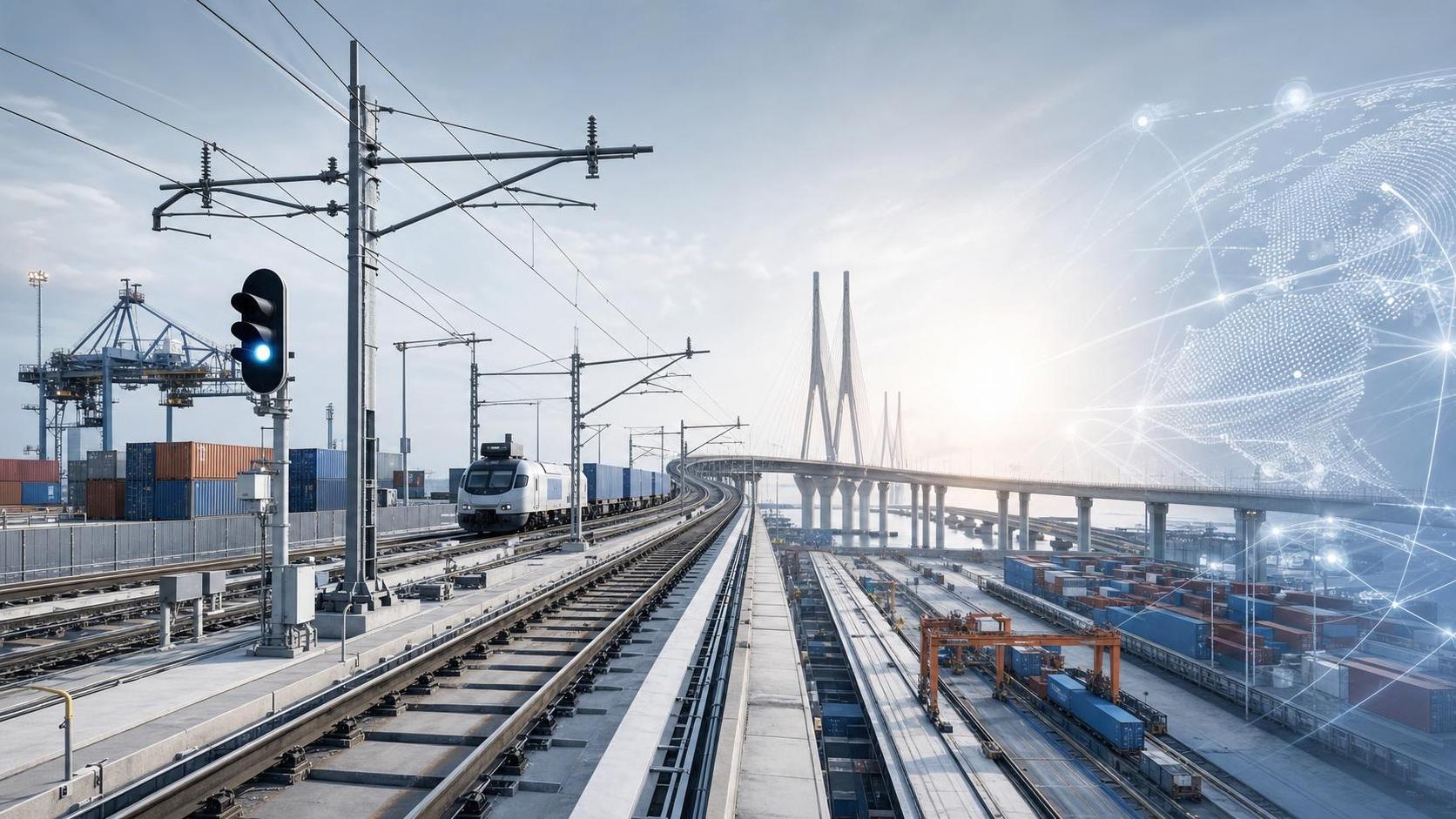
Europe’s rail investment cycle is entering a more selective phase, and railway infrastructure tenders 2026 sit at the center of that shift. Across the region, procurement is no longer driven only by network expansion. It is increasingly shaped by resilience targets, emissions policy, interoperability rules, digital control systems, and tighter scrutiny over lifecycle value.
That change matters well beyond rail operators. It affects EPC strategy, equipment roadmaps, signaling integration, track maintenance planning, financing structures, and cross-border freight corridor development. For organizations tracking railway infrastructure tenders 2026, the real issue is not simply where tenders appear, but how the evaluation logic behind them is changing.
Why 2026 looks different from the previous tender cycle
Earlier procurement waves often focused on capacity creation, backlog reduction, and headline modernization budgets. The 2026 environment is more layered. Public authorities are balancing fiscal pressure with climate commitments and operational reliability demands.
In practice, railway infrastructure tenders 2026 are being influenced by several parallel forces. Funding is more conditional. Technical specifications are becoming less isolated by country. Project packaging is more likely to combine civil works, signaling, electrification, and digital monitoring requirements.
Another difference is the stronger role of corridor logic. Rather than viewing infrastructure as a domestic asset alone, many European programs now connect rail upgrades to freight fluidity across ports, inland terminals, border crossings, and industrial clusters.
What railway infrastructure tenders 2026 actually cover
The term sounds narrow, but the scope is broad. Railway infrastructure tenders 2026 may include track renewal, ballast rehabilitation, bridge upgrades, overhead line equipment, substations, stations, terminals, noise mitigation, drainage, tunnels, and route electrification.
More importantly, infrastructure now overlaps with operational technology. A tender can involve ETCS deployment, GSM-R transition issues, axle counter replacement, wayside condition monitoring, remote asset management, and traffic control interfaces.
This is where a platform such as G-RFE becomes relevant. European buyers increasingly expect suppliers to understand the engineering relationship between heavy-haul rolling stock, track geometry, maintenance machinery, intermodal flows, and signaling architecture, rather than treating them as separate disciplines.
A broader procurement perimeter
A conventional track project may now be assessed against digital readiness, carbon reporting, maintenance windows, and compatibility with future freight growth. That makes tender intelligence a multidisciplinary exercise.
The policy and funding signals shaping bids
One of the clearest trends in railway infrastructure tenders 2026 is the tightening link between public money and measurable outcomes. Projects supported by EU programs or national decarbonization frameworks face closer attention on interoperability, social value, supply risk, and delivery realism.
Authorities are also under pressure to avoid fragmented upgrades. If a corridor still contains low-capacity nodes, outdated signaling segments, or underperforming intermodal interfaces, isolated works packages lose strategic value.
This does not mean every tender is larger. In some markets, procurement bodies are splitting projects to attract specialist capability and reduce execution risk. In others, they are aggregating packages to simplify system responsibility.
That variation makes local reading essential. A technically strong bid can still miss if it misjudges the contracting authority’s preferred allocation of design, interface, and maintenance responsibility.
Technical expectations are moving upward
Technical compliance in railway infrastructure tenders 2026 is becoming more demanding in two ways. The first is formal standard alignment. The second is proof that the proposed solution performs under actual operating conditions.
For rail infrastructure and track maintenance, that means closer attention to axle loads, geometry retention, maintenance possession planning, predictive inspection methods, and machine compatibility. For signaling, it means cleaner integration pathways with ETCS migration and legacy system coexistence.
For intermodal networks, the bar is also higher. Terminal rail access, yard throughput, port connectivity, and last-mile bottlenecks are being evaluated as part of infrastructure efficiency, not as secondary logistics issues.
G-RFE’s five-pillar view is useful here because it matches how buyers increasingly think. Track, rolling stock, communications, port interfaces, and engineering machinery affect each other. A bid that ignores those dependencies often looks incomplete.
From specification compliance to operational fit
Authorities want fewer surprises after award. They are looking for solutions that can be installed, maintained, certified, and scaled without creating new operational bottlenecks.
Where business value is really created
Winning railway infrastructure tenders 2026 is not only about entering a public contract pipeline. The wider value comes from positioning within long-duration rail investment programs that extend into maintenance, upgrades, software layers, spares, and performance support.
A corridor electrification package may create future work in substations, signaling adaptation, inspection systems, and rolling stock compatibility. A track renewal contract may lead to mechanized maintenance demand and digital monitoring opportunities.
This is particularly relevant in freight. Europe’s logistics strategy increasingly depends on shifting volume from road to rail where feasible. Infrastructure procurement therefore has implications for industrial supply chains, port competitiveness, and cross-border transport reliability.
- Civil packages can open downstream systems integration work.
- Digital signaling projects can reshape fleet and infrastructure compatibility needs.
- Terminal and access upgrades can change freight route economics across entire regions.
How to read the market more accurately
Not every published opportunity carries the same strategic weight. Some railway infrastructure tenders 2026 are standalone procurements. Others are gateway contracts tied to multi-year modernization paths.
A useful way to judge relevance is to ask five questions. Is the project linked to a corridor program. Does it involve ETCS or communications migration. Is maintenance performance part of the evaluation. Are interfaces clearly allocated. Is future expansion already visible in the scope.
Those questions matter because tender documentation may understate the strategic scale of a project. The formal package could be limited, while the actual network implications are much broader.
Signals that deserve closer attention
- Repeated references to interoperability and cross-border performance.
- Scoring models that reward lifecycle cost over headline CAPEX alone.
- Requirements for digital asset data, remote diagnostics, or predictive maintenance inputs.
- Procurement language linking works to decarbonization or modal shift targets.
- Bundled packages combining infrastructure with signaling or systems assurance.
Common risks in railway infrastructure tenders 2026
The obvious risk is non-compliance, but that is rarely the only one. Many bids weaken because they treat tender requirements as static, even when the underlying program is evolving.
Another recurring issue is interface underestimation. Track works affect signaling possessions. Electrification impacts rolling stock and maintenance windows. Terminal upgrades alter freight operating patterns. These links need to be addressed early.
There is also a commercial risk in misreading localization expectations. Some authorities emphasize domestic delivery capacity, while others prioritize proven corridor experience, standards fluency, or specialist machinery access.
For that reason, railway infrastructure tenders 2026 should be assessed as policy, engineering, and execution documents at the same time.
What to do next
The most effective response is disciplined preparation rather than reactive bidding. Map opportunities by corridor relevance, technical fit, funding logic, and interface complexity. Then compare them against internal delivery strengths and partner gaps.
It also helps to build a working view that connects infrastructure, rolling stock, signaling, and freight operations. That wider lens is increasingly necessary for reading railway infrastructure tenders 2026 in a realistic way.
Where the market is moving, the strongest position will come from technical credibility, standards awareness, and a clear understanding of how each tender fits into Europe’s larger rail modernization agenda. Before the next bid decision, it is worth reviewing not only the project scope, but the corridor logic behind it.
Industry Briefing
Get the top 5 industry headlines delivered to your inbox every morning.