
Wagon Tare Weight Reduction Data: What Really Cuts Costs

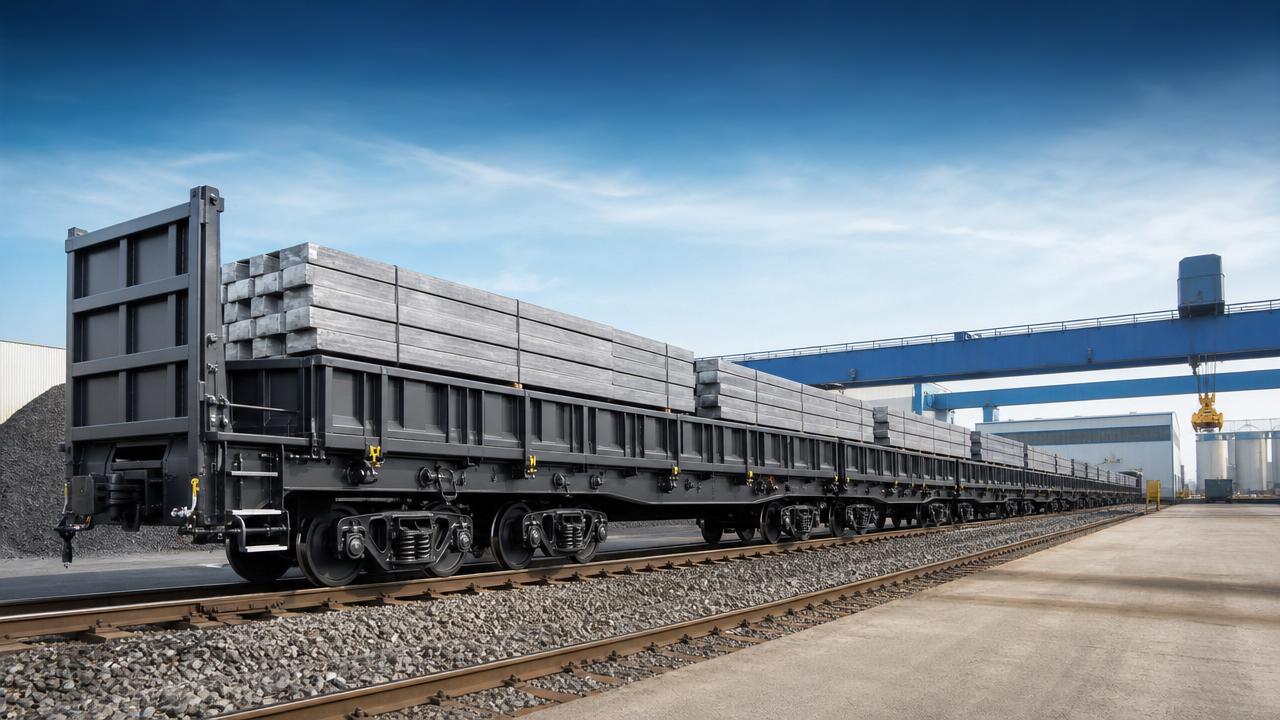
For finance approvers, wagon tare weight reduction data is more than an engineering metric—it is a direct indicator of lifecycle cost efficiency, payload optimization, and return on capital. When evaluated against maintenance, fuel consumption, axle load compliance, and fleet utilization, lighter wagon designs can reveal measurable savings that strengthen investment decisions. This article examines what really cuts costs and where the numbers deliver credible financial value.
Why wagon tare weight reduction data matters to financial approval
In railway freight investment, capital is usually approved on the promise of higher throughput, lower operating cost, or better compliance resilience. Wagon tare weight reduction data supports all three, but only when the numbers are tied to the commercial reality of route conditions, loading patterns, maintenance intervals, and asset life.
A lower tare wagon does not automatically mean a lower-cost wagon. Finance teams need to separate theoretical weight savings from monetized benefits. The key question is simple: does every tonne removed generate more payload revenue, less traction energy, fewer wheel and track impacts, or a longer service interval?
- On payload-constrained corridors, tare reduction can increase billable cargo per trip without changing train length.
- On axle-load-constrained networks, a lighter wagon can improve compliance flexibility and reduce route restrictions.
- On high-cycle fleets, weight reduction may lower wear on bogies, brake gear, wheels, and track interfaces, but this depends on design quality.
- In public or institutional procurement, tare data also influences carbon reporting and energy intensity per tonne-kilometer.
This is where a technical intelligence platform such as G-RFE becomes useful for decision-makers. Instead of viewing tare weight as a standalone specification, G-RFE benchmarks rolling stock design choices against UIC, EN, and AAR-oriented engineering logic, helping finance approvers test whether a proposed saving is structural, operational, or merely promotional.
What really cuts costs, and what only looks efficient?
The strongest wagon tare weight reduction data usually comes from integrated design decisions, not from single-material substitutions. Cost reduction becomes credible when lighter construction preserves stiffness, fatigue life, repairability, and compatibility with the operating corridor.
The table below helps finance approvers distinguish between cost-positive and cost-risky approaches to tare reduction.
For many operators, the best cost outcome comes from balanced engineering rather than the lightest possible unit. Finance approvers should ask whether wagon tare weight reduction data is tied to revenue, energy, maintenance, and fleet availability—not just a lower mass figure in a tender sheet.
The four cost channels that deserve board-level attention
- Payload gain: If route and demand allow full use of reduced tare, every trip can carry more commercial cargo.
- Energy efficiency: Lower train mass can reduce traction energy, especially in long-haul and gradient-heavy service.
- Wear reduction: Lower loads can reduce wheel, rail, suspension, and brake wear if dynamic behavior remains stable.
- Utilization and compliance: Better axle load management may widen route access and reduce idle or reassignment losses.
How to read wagon tare weight reduction data beyond the headline number
A common procurement error is to compare tare weight figures without checking the basis of comparison. A lighter wagon with lower cubic capacity, lower payload rating, or shorter component life may deliver worse economics than a slightly heavier but more durable design.
Finance teams should require data normalization before approval. That means comparing wagons under the same loading profile, same route, same duty cycle, and similar maintenance strategy.
Data points that make tare reduction financially meaningful
- Net payload increase per wagon at permitted axle load and train length.
- Traction energy change per tonne-kilometer across actual operating gradients.
- Effect on wheelset, brake block, suspension, and bearing maintenance intervals.
- Impact on loading turnaround, port-rail transfer compatibility, and cycle time.
- Residual value assumptions and repair cost after impact, corrosion, or structural fatigue.
G-RFE’s cross-pillar perspective is particularly valuable here. Wagon tare weight reduction data should not be isolated from infrastructure wear, signaling capacity, intermodal handling, and maintenance machinery capability. A fleet that is lighter but harder to inspect or repair may shift cost from operations to workshops and possession time.
Which operating scenarios deliver the fastest payback?
Not every corridor monetizes tare reduction at the same speed. The return depends on freight mix, route profile, terminal efficiency, and contractual pricing. Finance approvers should focus on where wagon tare weight reduction data translates into recurring cash benefit rather than only technical elegance.
The following scenario table shows where lighter wagons often create stronger business cases.
For finance approvers, the best indicator is not absolute tare reduction but monetizable utilization. A 1-tonne reduction matters only if the operating model converts it into extra revenue, reduced cost, or protected compliance capacity. Otherwise, capex premium may not be justified.
Where approvals often fail
Approvals often stall when technical teams submit wagon tare weight reduction data without corridor-specific economics. A finance committee needs route assumptions, annual wagon-kilometers, commodity loading factor, maintenance plan, and sensitivity analysis for fuel or electricity price changes.
Procurement guide: what finance approvers should ask before signing
A strong procurement process translates engineering claims into auditable business terms. This is especially important in cross-border rail projects, public tenders, and institutional fleet renewals where technical ambition and financial accountability must align.
A practical approval checklist
- Request wagon tare weight reduction data alongside payload increase under actual axle-load limits, not generic design limits.
- Ask for lifecycle cost modeling over the expected service horizon, including spares, workshop tools, and repair methods.
- Confirm interoperability with existing loading, unloading, braking, and maintenance systems.
- Check whether the design basis references recognized standards such as UIC, EN, or AAR where relevant.
- Review supply chain resilience for critical components, especially if lightweight assemblies use specialized materials.
- Test the residual value logic. A lighter wagon that is expensive to repair may underperform at resale or refurbishment stage.
G-RFE supports this decision path by connecting rolling stock data with broader corridor considerations: track maintenance realities, signaling throughput, intermodal interface constraints, and engineering machinery support. That integrated view helps finance teams avoid approving a wagon solution that looks efficient in isolation but creates cost pressure elsewhere in the logistics chain.
Standards, compliance, and hidden cost exposure
Compliance is not a side issue in wagon tare weight reduction data. It directly affects route access, insurance, technical acceptance, and long-term maintainability. A lower tare wagon that complicates certification or acceptance can delay commissioning and erode the expected return.
Finance approvers should not evaluate weight reduction without reviewing the technical basis for structural integrity, braking performance, axle load distribution, and operational safety under expected duty cycles.
The financial point is clear: compliance reduces uncertainty. For institutional buyers and EPC-led rail programs, uncertainty is often more expensive than moderate capex differences. Good wagon tare weight reduction data should therefore come with disciplined documentation, not only a light design claim.
Common misconceptions that distort the business case
“Lower tare always means lower total cost”
Not necessarily. If weight reduction increases repair complexity, requires special spare parts, or shortens fatigue life, operating cost can rise. The true measure is lifecycle cost per tonne moved, not tare alone.
“Fuel or electricity savings alone justify approval”
Energy savings matter, but they are often only one element of the case. In many freight systems, extra payload capacity or better asset utilization creates larger value than traction energy alone.
“A lighter wagon is always better for infrastructure”
Static mass is only part of the story. Dynamic behavior, suspension design, wheel-rail interaction, and loading discipline all influence infrastructure wear. This is why G-RFE evaluates rolling stock choices in connection with track maintenance and corridor engineering realities.
FAQ: what finance approvers ask about wagon tare weight reduction data
How should we compare two wagon bids with different tare weights?
Compare them on normalized economics: payload at the same axle load, annual wagon-kilometers, energy use, maintenance assumptions, workshop compatibility, and residual value. The lower tare bid should only win if wagon tare weight reduction data improves total cost of ownership under your real operating conditions.
Which fleets benefit most from tare reduction?
Fleets on long-distance, high-volume, or axle-load-sensitive corridors usually benefit most. Heavy-haul bulk, intermodal corridors, and mixed fleets under compliance pressure often extract stronger value than short-haul services with low energy exposure.
What is the biggest hidden risk in lightweight wagon procurement?
The biggest risk is approving tare reduction without understanding maintenance and repair consequences. A lighter structure that needs specialized inspection, difficult welding repair, or expensive replacement components can weaken the financial case after commissioning.
What documentation should finance request before approval?
Ask for wagon tare weight reduction data, route-based payload calculations, lifecycle cost assumptions, standards basis, maintainability notes, spare parts strategy, and implementation timing. Request sensitivity analysis for commodity utilization, energy prices, and maintenance intervals.
Why choose us for technical-commercial evaluation
G-RFE helps finance approvers move from raw wagon tare weight reduction data to decision-grade evaluation. Our advantage is not limited to rolling stock comparison. We connect wagon engineering with infrastructure, signaling, intermodal operations, and specialized rail maintenance realities across international freight corridors.
That means your team can assess whether a lighter wagon design supports actual corridor economics, operational compliance, and long-term asset strategy. For national railway authorities, Tier-1 manufacturers, EPC contractors, and institutional freight investors, this integrated method reduces the risk of approving isolated technical improvements that fail at system level.
- Ask us to review wagon tare weight reduction data against payload, maintenance, and route constraints.
- Request support for product selection, specification alignment, and bid comparison.
- Discuss delivery timing, engineering customization, and compatibility with existing fleet and workshop conditions.
- Clarify applicable standards, documentation expectations, and procurement-stage technical questions.
- Open a quotation discussion based on corridor-specific assumptions rather than generic brochure claims.
If your approval decision depends on proving where tare reduction creates measurable financial value, a structured review is the fastest next step. Bring the route profile, target payload, maintenance assumptions, and tender data, and we can help turn wagon tare weight reduction data into a clearer investment decision.
Industry Briefing
Get the top 5 industry headlines delivered to your inbox every morning.