

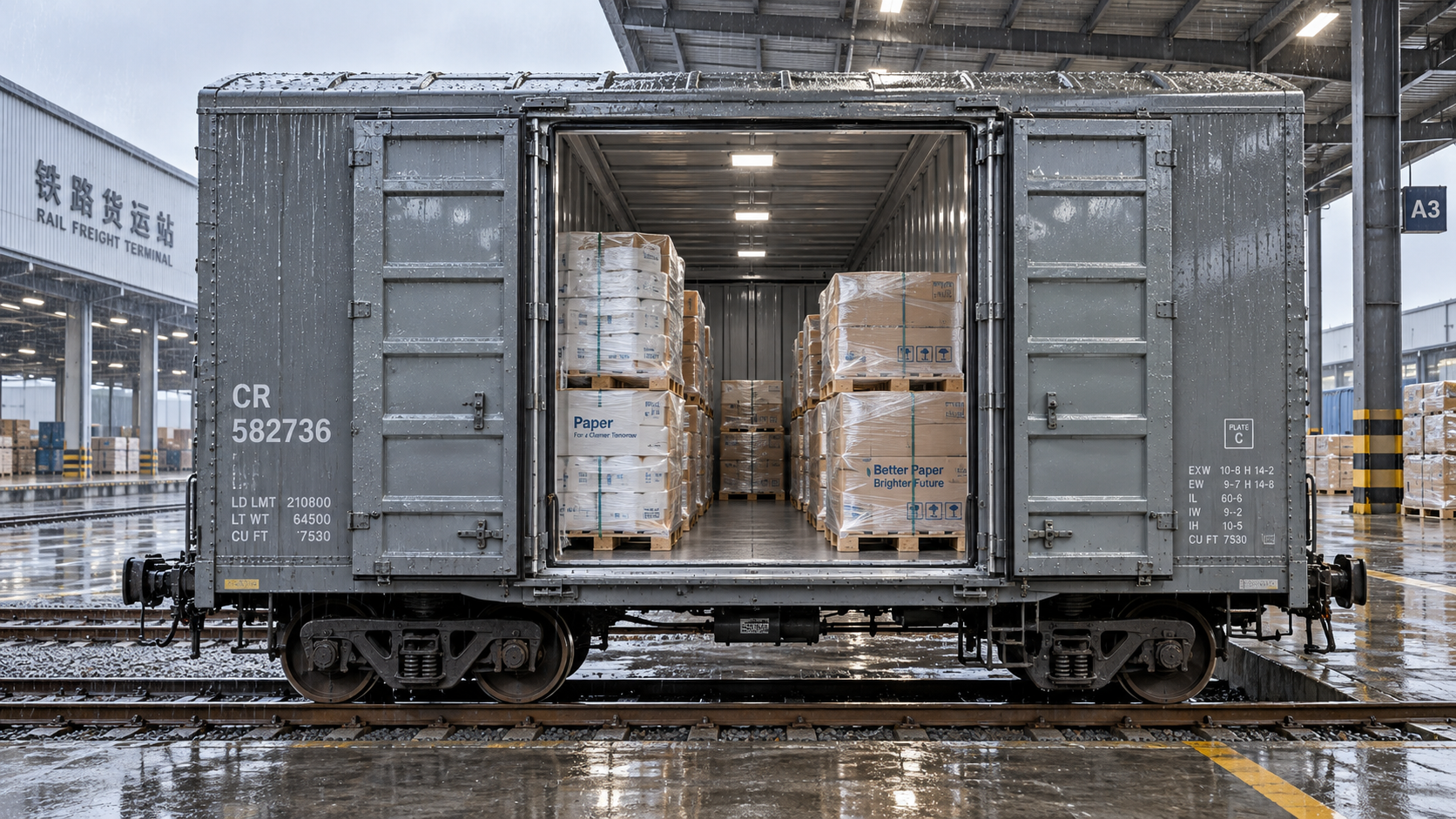
Covered wagons protect moisture-sensitive cargo by limiting rain and snow exposure. However, their effectiveness depends on sound construction, maintained seals, dry loading conditions, and appropriate packaging.
For rail freight operators and shippers moving paper, packaged foods, or other humidity-sensitive goods, protection depends on more than a roof. Condensation remains a separate risk.
Enclosed wagon bodies and suitable loading practices help limit water ingress, while condensation control requires attention to cargo condition, temperature changes, and journey duration throughout transport.
This article examines how wagon design, inspection, and moisture-management measures work together, helping logistics decision-makers select appropriate rolling stock and reduce avoidable moisture-related cargo damage costs.
What Protection Does a Covered Wagon Actually Provide?
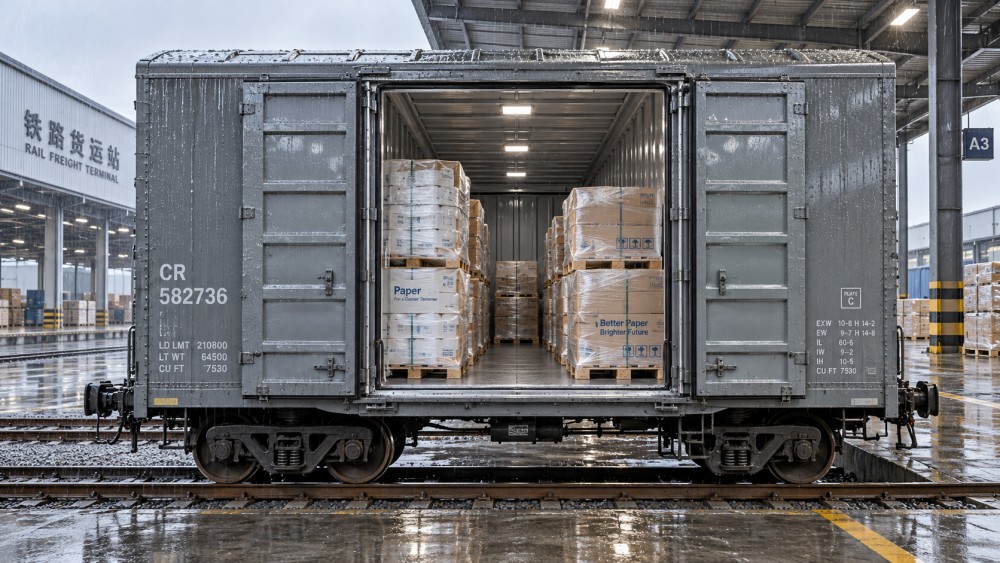
In railway freight, a covered wagon is an enclosed vehicle designed to shield goods from weather and external contamination. Designs vary substantially between fleets and regions.
Rigid roofs and sidewalls intercept precipitation, while doors provide access for loading and unloading. These barriers reduce direct wetting when their joints and closures remain serviceable.
Protection depends on the entire enclosure. A sound roof cannot compensate for damaged door seals, distorted frames, defective panel joints, or water entering around floor connections.
Standard covered wagons generally provide weather protection rather than controlled humidity. Unless specifically equipped and qualified, they do not maintain a prescribed temperature or relative humidity.
That distinction matters because moisture-sensitive products can deteriorate without visible leakage. Humid air, damp packaging, or condensation can damage cargo inside an otherwise weather-resistant wagon body.
Before booking transport, define the acceptable exposure for the actual product. Obtain supplier guidance on humidity limits, temperature restrictions, packaging requirements, and permissible exposure duration first.
The practical question is whether the complete transport arrangement maintains those conditions. Wagon type, packaging, cargo preparation, route, and handling must be assessed together before dispatch.
Where Does Damaging Moisture Come From?
There are three principal moisture pathways: external water entering the wagon, water already present in cargo or loading materials, and condensation developing during the journey itself.
External ingress often follows driving rain, melting snow, or washing. Door tracks, roof joints, damaged panels, and poorly closed openings deserve particular attention during preloading inspection.
Internal moisture may come from recently washed floors, wet pallets, damp dunnage, or products loaded before adequate drying. Enclosing these sources can prolong damaging humidity exposure.
Condensation forms when a surface falls below the dew point of nearby air. Water vapor then becomes liquid on that surface, potentially wetting goods or packaging.
For example, warm, humid air trapped during loading can encounter a colder roof overnight. Droplets may collect overhead and fall onto exposed packages during the journey.
Conversely, cold cargo entering a warmer, humid environment can develop surface condensation during unloading. Receiving procedures therefore matter alongside precautions taken at the point of origin.
Visible water marks alone do not reliably identify the cause. Investigations should combine damage location, weather history, inspection records, packaging condition, and available temperature and humidity data.
Which Wagon Features Should Buyers and Operators Check?
Roof continuity is fundamental: inspect seams, patches, corrosion, penetrations, and transitions to sidewalls. Evidence of previous leakage should trigger repair verification before sensitive goods are loaded.
Door protection requires more than an intact gasket. Check alignment, compression, locking mechanisms, threshold condition, and tracks because deformation or debris can prevent an effective closure.
Sliding-wall and other large-opening designs can improve loading access, but their closure systems require careful inspection. Select equipment based on documented condition and intended service requirements.
Floors should be clean, dry, structurally sound, and compatible with the consignment. Standing water, persistent dampness, or damaged joints can undermine protection even without roof leaks.
Where drainage features exist, verify that they function as designed. Improvised holes or blocked outlets can create additional ingress paths or retain water inside the wagon.
Insulated construction can moderate temperature changes and reduce some condensation risks. It does not remove moisture, and its performance depends on design, condition, and operating circumstances.
Specify measurable acceptance criteria in procurement documents. Relevant UIC, EN, or AAR requirements depend on the vehicle and network; compliance alone does not establish cargo-specific suitability.
How Can Shippers Control Condensation?
Start by minimizing water introduced at loading. Use suitably dry cargo, pallets, and dunnage, and allow washed wagons to dry before accepting them for sensitive consignments.
Protective packaging can provide a more controllable moisture barrier around individual units. Its effectiveness depends on material permeability, sealed joints, puncture resistance, and handling throughout transport.
Ordinary stretch wrap primarily stabilizes loads and may offer limited moisture protection. Treat it as a humidity barrier only when its specified performance supports that use.
Desiccants can capture water vapor within appropriately designed packaging or enclosures. Selection must reflect initial moisture, barrier permeability, exposure duration, temperature, and the required protection level.
A few uncalculated desiccant bags cannot guarantee a dry wagon. Air leakage and moisture released by wood, paper, or other materials may overwhelm their available capacity.
Ventilation requires judgment because outside air can either dry the enclosure or introduce additional moisture. Compare temperature and moisture conditions before prescribing airflow as a remedy.
When tight limits must be maintained consistently, evaluate insulated or actively controlled equipment. Packaging improvements alone may be insufficient for long journeys through changing climatic conditions.
What Should Happen Before Loading and Dispatch?
A practical acceptance inspection should occur before cargo enters the wagon. Assign responsibility clearly so unsuitable equipment is rejected before loading creates delays and additional handling.
Check the interior for wet surfaces, stains, mold, residual debris, and odors. Review roof and wall condition, then inspect door seals, closure alignment, and floor connections.
Record relevant defects with photographs and wagon identification. Where leakage is suspected, arrange an approved inspection or test rather than assuming a clean interior proves weather resistance.
Confirm that repairs address the actual ingress path. Temporary coverings or improvised sealants should not substitute for an accepted repair process and documented equipment release decision.
Load under shelter where practicable, and minimize exposure while doors remain open. Rain entering during loading can defeat the protection provided by a perfectly serviceable wagon.
Arrange packages to support stable handling and inspection without compromising required securement. Where appropriate, maintain separation from surfaces likely to develop condensation, using suitable protective materials.
Before dispatch, verify closure and locking, packaging integrity, and any monitoring equipment. Retain the acceptance record so receiving teams can compare origin conditions with arrival findings.
How Do Protection Requirements Differ by Cargo?
Paper and board can absorb moisture, change dimensions, lose strength, or develop staining. Packaging must protect vulnerable edges and surfaces while meeting the manufacturer's transport specifications.
For packaged foods, moisture can weaken cartons, damage labels, or affect product quality. Cleanliness, odor control, packaging integrity, and relevant food transport requirements also influence wagon suitability.
Some powders and dry ingredients can cake or become unusable after absorbing moisture. Assess their hygroscopic behavior and packaging barrier performance rather than relying on weather protection.
Metal products may need corrosion protection even when rain is excluded. Surface condition, protective coatings, vapor barriers, and condensation exposure can determine whether the shipment arrives serviceable.
Electronics and precision equipment often require verified packaging and handling controls. A standard covered wagon may be acceptable only when the protective system meets defined transport conditions.
Bulk commodities carried in covered hopper wagons need separate consideration. Loading hatches, seals, discharge gates, and product characteristics govern protection; conclusions for packaged freight do not transfer automatically.