
What Electrification Changes in Rail Cost by 2026

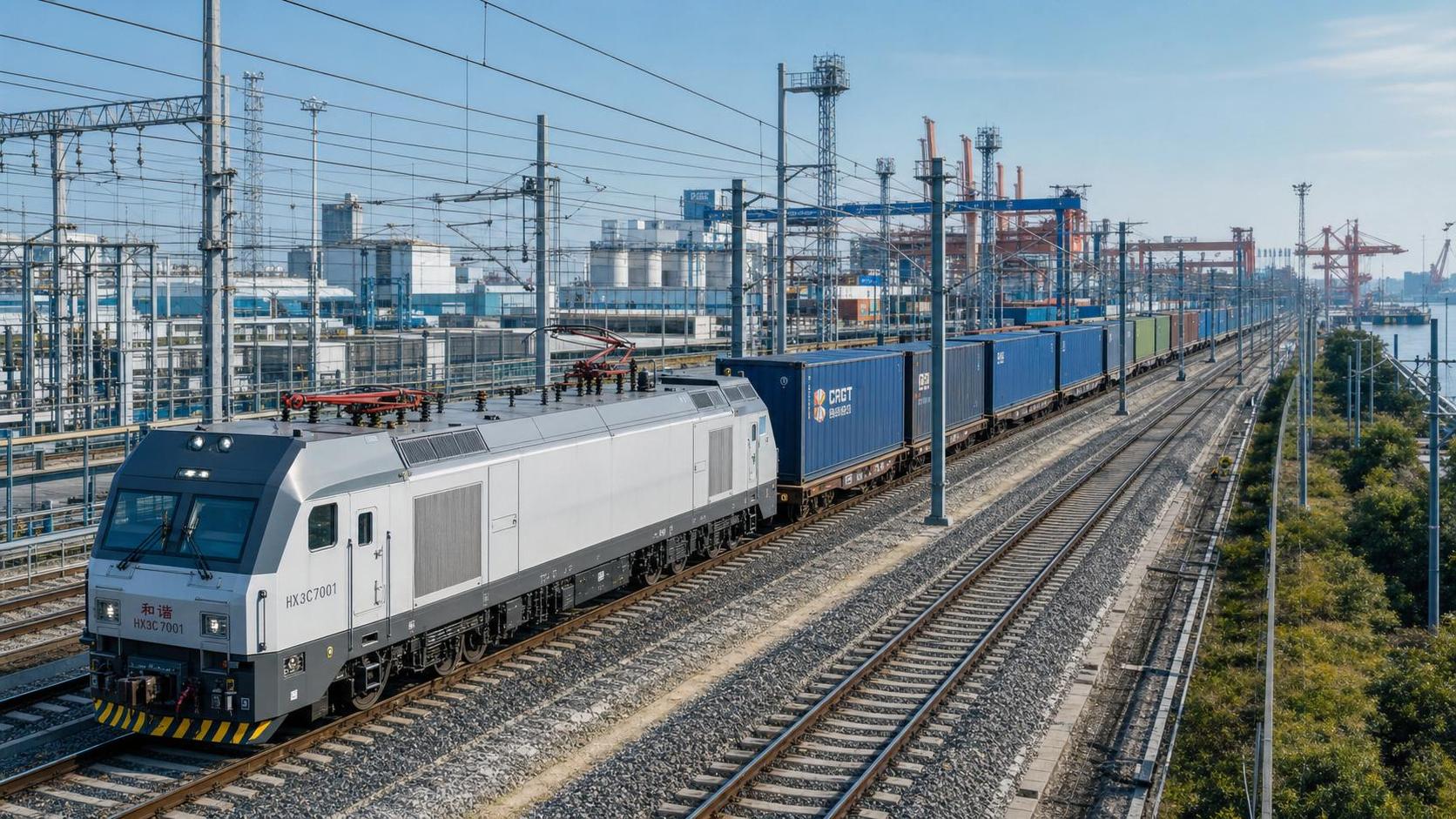
By 2026, rail electrification will change cost structures more than many capital plans still assume. The impact of electrification on rail cost is no longer limited to energy substitution. It now affects fleet strategy, corridor design, maintenance models, signaling integration, financing logic, and the competitive position of long-haul freight networks.
That matters across the wider industrial chain. Railway authorities, rolling stock suppliers, EPC contractors, port-linked freight operators, and signaling providers all face the same question: where does electrification raise costs first, and where does it create durable savings later?
The answer depends on traffic density, route geometry, power reliability, interoperability standards, and how well infrastructure and operations are planned together. In other words, the impact of electrification on rail cost is a network question before it becomes a procurement decision.
What changes when rail cost moves from fuel to systems
Diesel rail economics are relatively easy to read. Fuel, engine maintenance, overhaul cycles, emissions exposure, and locomotive utilization dominate the picture. Electrified rail shifts that balance.
Once traction power comes from overhead catenary or related supply systems, cost moves upstream. More spending appears in substations, feeder lines, civil works clearances, grid connections, and interface engineering.
This is why the impact of electrification on rail cost can look negative in early project years. The upfront bill is larger, and the savings do not arrive evenly across all routes.
Yet electrification also improves train acceleration, energy efficiency, hauling consistency, and asset life in ways diesel fleets struggle to match. The cost debate is therefore less about whether electrification is cheaper, and more about when and where it becomes cheaper.
Why 2026 is a turning point
Several industry forces are converging by 2026. Power markets remain volatile, carbon regulation is tightening, and cross-border rail corridors are under pressure to carry more freight with fewer operational interruptions.
At the same time, network operators are under stricter return-on-capital discipline. Large electrification programs now need stronger evidence on utilization, resilience, and standards compliance, not just emissions reduction.
This is where a technical intelligence approach matters. Platforms such as G-RFE frame the issue through heavy-haul locomotives, track maintenance, CBTC and ETCS-linked signaling, intermodal systems, and specialized engineering machinery. That broader lens is useful because electrification does not work as a standalone hardware decision.
By 2026, the strongest projects will be those aligned with corridor density, digital signaling readiness, and international standards such as UIC, EN, and AAR. Weak projects will usually be those that electrify assets without fixing network bottlenecks.
Where costs rise first
The first visible effect is capex concentration. Electrification requires high initial investment before a single efficiency gain is realized.
Main cost drivers in early phases
- Overhead line equipment, masts, foundations, and wiring installation
- Traction substations, power conversion, and grid interconnection upgrades
- Bridge, tunnel, and clearance modifications for electrified corridors
- Signal immunization and telecom compatibility work
- Construction possessions that temporarily reduce line capacity
- Training, safety procedures, and maintenance capability buildup
These items explain why the impact of electrification on rail cost can appear unfavorable in isolated project accounting. If planning only measures construction cost, the business case is incomplete.
A more accurate view includes how corridor throughput, locomotive rotation, and energy intensity evolve after commissioning.
Where savings begin to compound
Electrification creates value when traffic volume is high enough and operational discipline is strong enough. The savings are usually cumulative, not immediate.
The impact of electrification on rail cost becomes more favorable when networks move heavy tonnage, operate long distances, and limit idle assets. Freight corridors with repeated flows benefit the most because utilization spreads the fixed infrastructure cost.
Energy recovery through regenerative braking can also improve economics, especially on routes with gradients or frequent speed changes. But that saving depends on grid absorption capability and substation design.
Not every corridor should be electrified at the same pace
A common mistake is treating electrification as uniformly beneficial. It is not. The impact of electrification on rail cost differs sharply between corridor types.
Corridors with stronger cost logic
- Heavy-haul mineral and bulk routes with stable volumes
- Port-to-inland intermodal corridors with high train frequency
- Cross-border freight lines needing standardized operations
- Mixed-traffic routes where acceleration improves line capacity
Corridors needing caution
- Low-density branch lines with uncertain demand growth
- Remote routes with weak grid access or unstable power supply
- Networks with unresolved signaling or clearance constraints
- Lines where diesel replacement alone will not raise throughput
In practical terms, electrification should follow freight logic, not only policy enthusiasm. A corridor carrying predictable industrial volume will often produce better returns than a politically visible but lightly used route.
How standards and systems shape the economics
Electrification cost is strongly influenced by technical interoperability. Rolling stock, power systems, signaling, maintenance windows, and safety regimes must work as one operating system.
This is where G-RFE’s five-pillar view becomes useful. Heavy-haul locomotives cannot be evaluated separately from track condition. Signaling upgrades cannot be separated from headway performance. Intermodal terminals influence dwell time, which changes corridor economics.
Standards such as UIC, EN, and AAR reduce lifecycle uncertainty when projects involve multinational suppliers or cross-border operations. They also help avoid hidden redesign costs that often appear after procurement.
In short, the impact of electrification on rail cost is improved when standards discipline is high. It worsens when engineering interfaces are left unresolved until construction.
How to read the business case more accurately
A strong evaluation model looks beyond simple capex versus fuel savings. It should track how electrification changes the full operating profile of the corridor.
Key questions worth testing
- Will traffic density justify fixed infrastructure over the next ten to twenty years?
- Can the power network support resilient traction demand during peak operations?
- Will electrification reduce transit time, improve punctuality, or expand available train paths?
- Are signaling, telecom, and safety systems ready for integrated commissioning?
- Can maintenance teams manage both rolling stock and energized infrastructure reliably?
- What is the exposure to stranded diesel assets or dual-fleet complexity?
These questions often matter more than headline construction budgets. The impact of electrification on rail cost is ultimately decided by utilization, reliability, and system integration quality.
What deserves attention next
Between now and 2026, the most useful next step is corridor-level analysis. Start with freight density, energy exposure, maintenance burden, and signaling readiness. Then compare these findings against standards requirements and expansion plans.
It is also worth separating symbolic electrification from productive electrification. The first satisfies a narrative. The second improves network economics in measurable ways.
For organizations working across rolling stock, infrastructure, and control systems, the better path is a phased view: identify priority corridors, quantify lifecycle cost shifts, test interoperability risks, and align procurement with long-term traffic reality.
That approach gives the impact of electrification on rail cost its proper context. By 2026, the question will not be whether electrification matters. The real question will be whether the network was prepared to turn electrification into sustained freight advantage.
- What Industrial Railway Freight Equipment Reduces Loading Delays and Handling Risk?Time : Sep 25, 2026
- How Export Trade Policies Shape Producers’ Tariffs, Origin Rules, and Market AccessTime : Sep 23, 2026
- Selecting Rail Traction Motors for Locomotives: Torque, Duty Cycle, and Retrofit FitTime : Sep 23, 2026
Industry Briefing
Get the top 5 industry headlines delivered to your inbox every morning.