
Steel Industry Environmental News: Compliance Risks to Watch

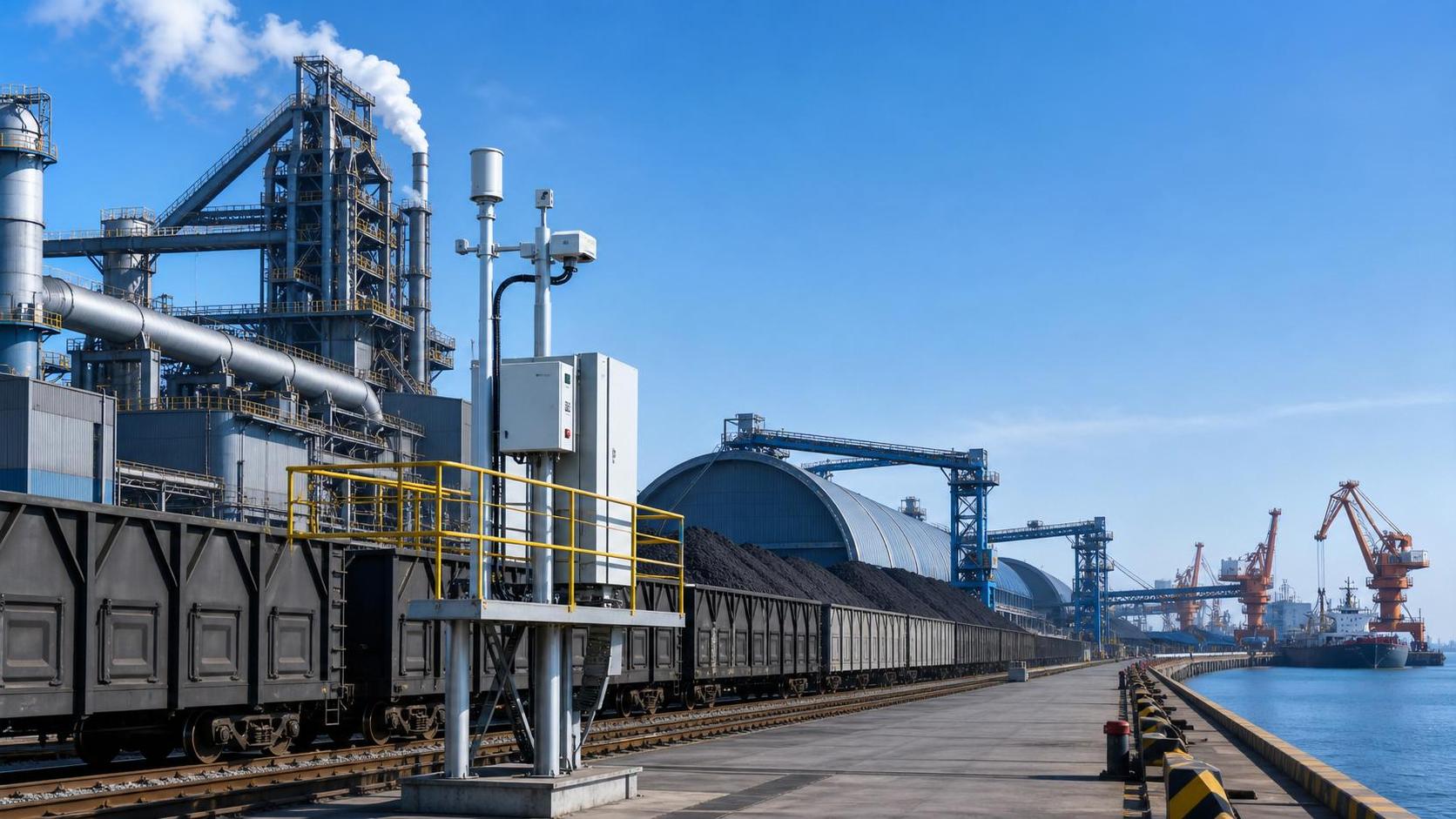
Why is industrial environmental news for steel industry now a compliance issue, not just a headline?
Industrial environmental news for steel industry now shapes audits, permit reviews, supplier screening, and transport controls far faster than many internal systems update.
That shift matters because steel production sits at the intersection of emissions-intensive processing, hazardous by-products, and cross-border logistics.
A regulatory change on air monitoring can quickly affect furnace operations. A waste-classification update can alter storage, labeling, and handover routines within weeks.
The bigger point is practical. Environmental news is no longer something to summarize at month-end. It is an early warning system for operational exposure.
In rail-linked steel supply chains, the impact becomes broader. Material loading, wagon cleanliness, spill control, and port-rail transfer documentation all come under closer review.
That is where a technical intelligence approach becomes useful. Platforms such as G-RFE track how engineering standards, freight practice, and regulatory expectations increasingly overlap.
For steel operators moving coils, ore, scrap, or slag through intermodal routes, that overlap is often where hidden compliance gaps appear first.
Which policy signals in industrial environmental news for steel industry deserve immediate attention?
Not every update carries the same weight. The most important signals are the ones that change evidence requirements, not just policy language.
In practice, several themes deserve faster escalation:
- Continuous emissions monitoring revisions, especially around particulates, NOx, SOx, and fugitive dust capture.
- Hazardous waste handling changes affecting spent refractories, oily mill scale, sludge, acids, and contaminated packaging.
- Carbon reporting rules that tighten traceability across production, storage, and outbound transport stages.
- Stormwater, wastewater, and runoff controls linked to raw material yards and loading zones.
- Transport-related updates for rail wagons, intermodal terminals, and port transfer systems carrying steel inputs or residues.
A useful rule is simple. If a news item changes sampling frequency, reporting boundaries, or chain-of-custody expectations, it should trigger internal review.
This is especially true when steel plants depend on heavy-haul rail. G-RFE’s focus on rolling stock, infrastructure, signaling, and rail-port systems helps clarify those transport-linked obligations.
Environmental compliance is no longer isolated inside the plant fence. It now follows the material route.
How do you tell whether a news update is strategic, urgent, or mostly informational?
A common mistake is treating every development as equally urgent. That creates alert fatigue and weakens response quality.
A better approach is to classify each item by operational consequence. The table below works well for fast triage.
This kind of triage keeps industrial environmental news for steel industry connected to action, not just awareness.
It also helps separate reputational noise from real compliance pressure. Usually, the key question is not “Is this important?” but “What evidence will regulators ask for next?”
Where do steel sites most often miss the link between environmental control and rail-based logistics?
The gap often appears between plant compliance systems and freight execution.
Many teams monitor stack emissions carefully, yet pay less attention to residue transfer points, wagon contamination, or unloading dust events at shared terminals.
That blind spot matters because rail-linked movement creates distributed environmental risk. Responsibility may stay with the shipper even when handling is outsourced.
For example, fine raw materials can generate fugitive dust during loading. Scrap or by-product movements may require tighter classification and sealing controls. Liquid or semi-liquid waste streams need clear compatibility checks.
In intermodal corridors, documentation quality becomes just as important as physical containment. A missing declaration, inconsistent waste code, or unclear transfer record can trigger nonconformity.
G-RFE’s cross-sector view is relevant here because railway engineering is not only about locomotives and tracks. It also involves signaling discipline, terminal interfaces, and operating standards that support safer, cleaner freight flows.
When environmental teams understand that full chain, industrial environmental news for steel industry becomes easier to interpret in real operating terms.
What are the most common compliance mistakes after new environmental rules appear?
The first mistake is assuming existing certification means current compliance. Standards support discipline, but they do not replace site-specific legal updates.
The second is treating reporting as separate from operations. If monitoring data quality is weak, the issue is often procedural, not administrative.
Another frequent problem is overlooking contractor control. Waste haulers, terminal operators, and rail service partners can create environmental exposure through poor execution.
More subtle errors appear in timing. Plants may update procedures but delay training, label changes, container segregation, or calibration checks.
That delay creates a dangerous gap between documented intent and actual practice.
- Do not rely on one-source summaries for industrial environmental news for steel industry.
- Do not ignore transport-stage evidence when materials move off-site by rail.
- Do not assume waste classification stays valid after process changes.
- Do not wait for the next external audit to test record completeness.
More often than not, enforcement follows simple weaknesses: inconsistent logs, unclear ownership, and missing proof that controls worked when needed.
How should teams build a practical monitoring routine around industrial environmental news for steel industry?
The most effective routines are small, regular, and tied to decisions. They do not depend on long monthly reports alone.
Start with a short watchlist covering emissions, waste, water, and transport controls. Then assign one owner for each topic.
Next, link every relevant update to one of three questions: does this affect legal limits, operating methods, or proof requirements?
If the answer is yes, open a controlled review. That review should include engineering, EHS documentation, and logistics execution.
In rail-heavy steel networks, it helps to compare site procedures with corridor standards, wagon handling practices, and terminal interface rules. That is where technical repositories like G-RFE add value without turning the process into a sales exercise.
They provide context for how environmental expectations interact with UIC, EN, AAR, and modern freight operating realities.
A practical review cycle often includes:
- Weekly scanning of high-impact regulatory and enforcement updates.
- Monthly verification of sampling, manifests, and transport documentation.
- Quarterly walkthroughs at loading, storage, and transfer points.
- Annual reassessment after process modifications or route changes.
That structure turns industrial environmental news for steel industry into a managed input for resilience, not a stream of disconnected alerts.
What should be reviewed next if compliance pressure is already rising?
Begin where exposure is easiest to miss: exception handling.
Check abnormal loads, emergency storage, off-spec waste, delayed shipments, and temporary route changes. These are often weak points during inspections.
Then review whether permits, internal procedures, contractor instructions, and actual field behavior still match. If they do not, that mismatch will usually surface before any technical defect does.
The wider lesson is clear. Industrial environmental news for steel industry is valuable when it sharpens judgment, improves evidence quality, and reveals cross-functional risk early.
A sensible next step is to map recent regulatory changes against your highest-risk processes, especially emissions control, by-product handling, and rail-linked transfers.
From there, refine monitoring points, confirm documentation ownership, and test whether operational records would withstand a real audit.
That is usually the difference between hearing the news and actually being prepared for it.
- What Industrial Railway Freight Equipment Reduces Loading Delays and Handling Risk?Time : Sep 25, 2026
- How Export Trade Policies Shape Producers’ Tariffs, Origin Rules, and Market AccessTime : Sep 23, 2026
- Selecting Rail Traction Motors for Locomotives: Torque, Duty Cycle, and Retrofit FitTime : Sep 23, 2026
Industry Briefing
Get the top 5 industry headlines delivered to your inbox every morning.