
Locomotive Cab Ergonomics Benchmarks That Improve Shift Safety

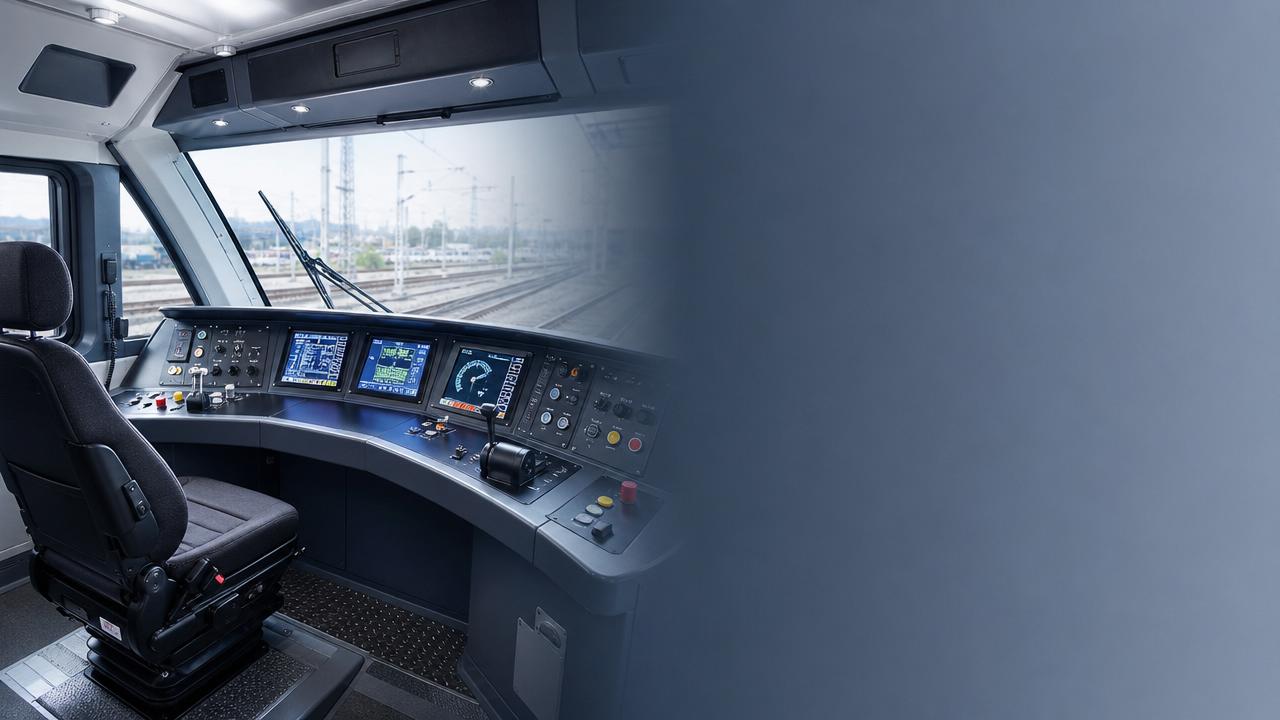
For quality control and safety leaders, locomotive cab ergonomics benchmarks are no longer optional—they are a measurable control point for reducing operator fatigue, improving situational awareness, and preventing shift-related incidents. In freight rail operations, cab design directly affects alertness, task accuracy, and rule compliance. Well-defined locomotive cab ergonomics benchmarks help convert comfort concerns into engineering criteria, inspection routines, and safety performance indicators.
Operational Definition of Locomotive Cab Ergonomics Benchmarks
Locomotive cab ergonomics benchmarks are measurable design and usability thresholds applied to the driver workspace. They cover visibility, seat adjustability, control reach, display readability, vibration exposure, noise, climate, and safe movement inside the cab.
In practice, these benchmarks align physical design with human limits. They also support standardization across fleets, refurbishment programs, acceptance testing, and incident review.
For G-RFE-aligned technical environments, benchmarking should reference UIC, EN, and AAR expectations where applicable. The aim is not only compliance, but repeatable shift safety across routes, climates, and locomotive classes.
Core benchmark domains
- Forward and lateral visibility from seated and standing positions
- Primary control reach within neutral body posture
- Seat support, adjustment range, and shock isolation
- Display legibility under daylight, glare, and night conditions
- Audible alarm clarity without overload
- Cabin vibration, thermal comfort, and noise management
- Ingress, egress, and movement safety during long shifts
Why the Railway Sector Is Focusing on These Benchmarks
Long-haul freight corridors demand high concentration over extended duty cycles. Operators may face monotony, heat variation, nighttime visibility challenges, and repeated control interactions. Small ergonomic failures can accumulate into delayed response or procedural error.
This is why locomotive cab ergonomics benchmarks are increasingly linked to safety assurance systems. They provide a structured way to test whether the cab supports human performance during real operating conditions.
Benchmarks That Most Directly Improve Shift Safety
Visibility and sightline control
Safe operation starts with unobstructed viewing angles. Windscreen framing, pillar width, mirror placement, and console height should not block signals, trackside hazards, or coupling observations.
Effective locomotive cab ergonomics benchmarks define acceptable blind zones and seated eye-point ranges. They also assess glare, wiper coverage, demisting performance, and night reflections from internal screens.
Reach zones and control placement
Frequently used controls must remain inside a comfortable reach envelope. If braking, horn, vigilance, radio, or lighting functions require repeated torso twist, fatigue increases and response speed drops.
Good benchmarks classify controls by frequency and urgency. Primary controls should support neutral shoulder posture and minimal wrist deviation during continuous use.
Seat support and posture stability
Seat quality strongly influences endurance over a full shift. Height adjustment, lumbar support, fore-aft travel, swivel function, and suspension behavior should match a broad user population.
Locomotive cab ergonomics benchmarks should also assess how the seat interacts with pedal position, control desk height, and forward visibility. A comfortable seat alone does not guarantee safe posture.
Display and alarm usability
Operators process information under motion, noise, and time pressure. Display fonts, contrast, symbol grouping, and page hierarchy must support fast recognition without visual overload.
Alarm systems also need discipline. Too many similar tones reduce discrimination. Strong locomotive cab ergonomics benchmarks define alarm priority, volume control, and message consistency across onboard systems.
Noise, vibration, and thermal environment
Cab comfort is a safety factor, not a luxury feature. Excessive vibration contributes to fatigue, while poor temperature control reduces concentration. Persistent noise can mask alarms and raise mental workload.
This makes environmental thresholds essential within locomotive cab ergonomics benchmarks. Measured exposure levels should be reviewed during procurement, overhaul, and route-specific performance validation.
Business and Compliance Value of Ergonomic Benchmarking
Ergonomic benchmarking creates value across engineering, operations, and assurance functions. It turns subjective driver feedback into traceable technical evidence and supports corrective action before incidents escalate.
- Supports safer shift performance and lower fatigue-related error probability
- Improves consistency across fleets and cross-border operating contexts
- Strengthens refurbishment specifications and factory acceptance criteria
- Helps document alignment with UIC, EN, or AAR-related expectations
- Provides audit-ready inputs for quality and safety management systems
For institutions managing heavy-haul corridors and smart signaling transitions, locomotive cab ergonomics benchmarks also reduce integration risk. Interface complexity increases as digital systems expand, making human-centered validation more important.
Typical Benchmark Categories Across Locomotive Types
Practical Steps for Setting and Auditing Benchmarks
The most effective programs combine measurement, observation, and operational feedback. Benchmarks should be validated during design review, commissioning, and live-service follow-up.
- Map critical tasks performed during a standard and degraded shift.
- Measure seated eye point, control reach, and display viewing angles.
- Record vibration, noise, and thermal conditions across route profiles.
- Check interface consistency across locomotive variants in the fleet.
- Review incident reports for fatigue, misread displays, or delayed reactions.
- Use findings to refine locomotive cab ergonomics benchmarks and procurement specifications.
Common audit mistakes
- Testing cab comfort only when stationary
- Ignoring nighttime reflections and seasonal climate conditions
- Treating driver preference as a substitute for measurement
- Failing to compare old and upgraded units using the same criteria
Next-Step Framework for Safer Cab Design
A practical starting point is a structured benchmark matrix covering visibility, reach, seating, interfaces, and environmental conditions. Each item should include target values, test methods, and pass-fail logic.
Where fleets support heavy-haul, signaling modernization, or refurbishment activity, locomotive cab ergonomics benchmarks should be built into technical specifications early. That approach reduces redesign cost and improves safety outcomes after deployment.
In modern freight rail, shift safety depends on more than rules and training. It also depends on whether the cab enables stable performance hour after hour. Clear locomotive cab ergonomics benchmarks give that requirement a measurable foundation.
Industry Briefing
Get the top 5 industry headlines delivered to your inbox every morning.