
Food Packaging Policy Updates: Key Compliance Changes to Watch

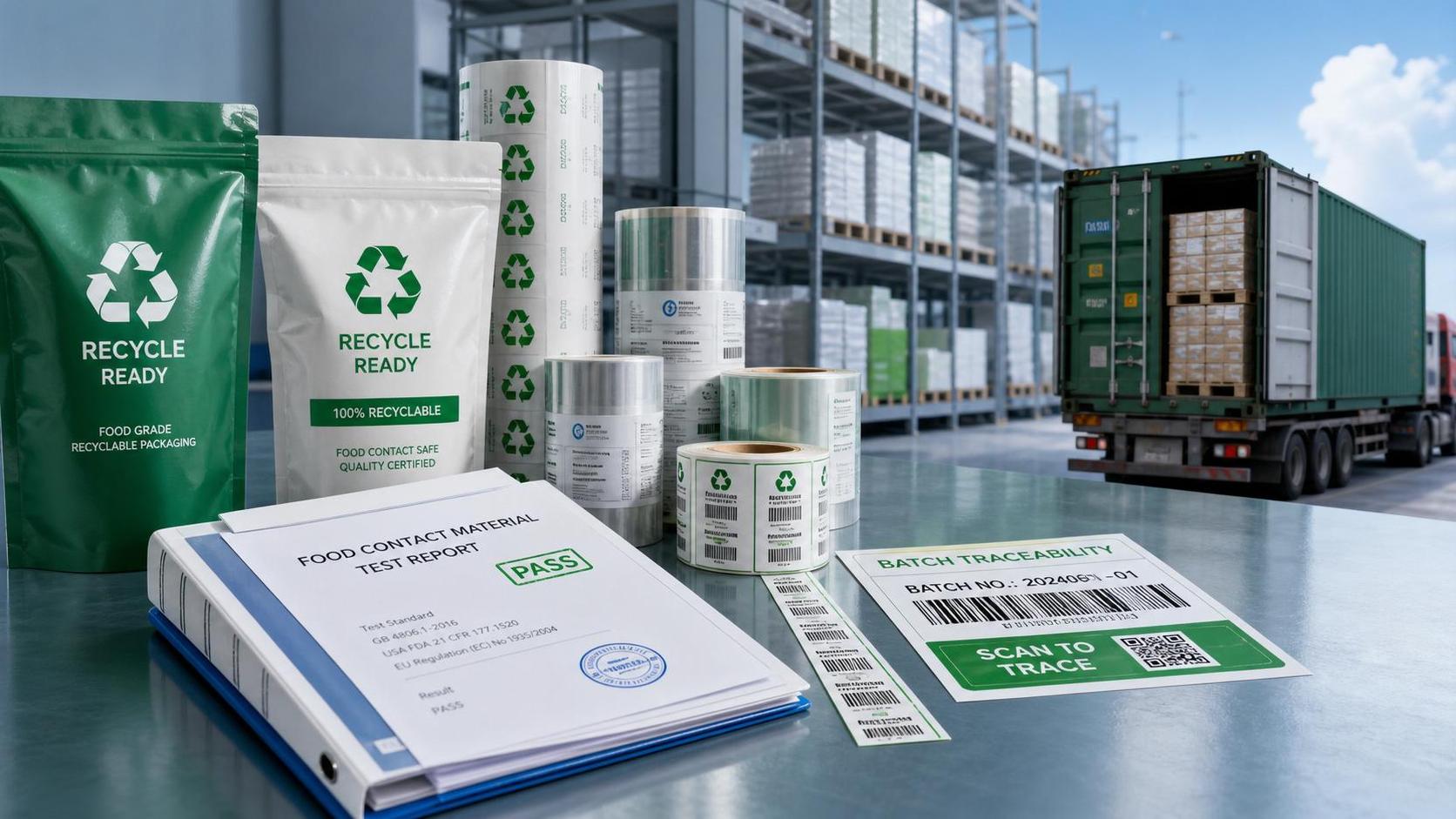
Food packaging policy updates are moving from a legal side topic to a daily operating issue. Labeling, material selection, migration control, recycled content, and traceability now affect audit outcomes, supplier approval, and cross-border access at the same time.
That shift matters beyond the food sector itself. In globally connected supply chains, packaging compliance is tied to transport reliability, documentation accuracy, and handoff discipline across ports, warehouses, and rail-linked distribution corridors.
A platform such as G-RFE reflects this wider reality. Its focus on standards, engineering controls, and intermodal logistics offers a useful lens for understanding why policy changes in one packaging market can quickly influence procurement, shipment planning, and risk control elsewhere.
Why food packaging policy updates now carry more operational weight
Recent policy changes are not limited to consumer-facing claims. Many rules now reach deeper into the packaging system, including substrate origin, additive use, recyclability statements, and data retention.
In practice, this means compliance can no longer sit only in a specification file. It has to appear in incoming material checks, supplier contracts, production records, and shipment documents.
More regulators are also connecting food safety and environmental performance. A pack may be legally recyclable yet fail migration expectations. It may meet food-contact rules yet create labeling risk under new sustainability claims guidance.
That overlap is why food packaging policy updates deserve close attention. The real challenge is no longer one rule at a time, but how several rule sets interact under routine business pressure.
What these updates usually include
The term covers a broad group of regulatory and quasi-regulatory changes. Some are binding laws. Others appear first as guidance, enforcement trends, retailer standards, or importer requirements.
Labeling and declaration controls
Authorities are paying closer attention to what packaging says, implies, or omits. Recyclable, compostable, and recycled-content claims often require evidence that is specific to local rules.
Even small mismatches matter. A disposal icon, resin code, or barrier description can trigger questions if the supporting technical file is incomplete or outdated.
Material composition and chemical safety
Food-contact materials remain under close review. Adhesives, inks, coatings, recycled polymers, and intentionally added substances all receive more scrutiny where migration or contamination risk exists.
Some food packaging policy updates narrow substance thresholds. Others increase testing expectations or require stronger evidence for dual-use additives and non-intentionally added substances.
Traceability and document retention
Traceability is becoming a core compliance function. Regulators and major buyers increasingly expect faster access to declarations of compliance, migration test reports, batch links, and change notifications.
This is especially relevant in distributed logistics networks. Once a packaging material moves through multiple facilities, weak traceability turns a minor documentation gap into a broader commercial risk.
The compliance changes worth watching most closely
Not every regulatory signal carries the same impact. Several areas are shaping current food packaging policy updates more than others.
Among these, recycled-content rules are particularly complex. They often combine environmental policy goals with strict food-contact conditions, meaning a sustainability target can fail if decontamination evidence is weak.
Chemical migration limits remain just as critical. A formulation that passed in one region may need additional review elsewhere because test conditions, simulants, or specific migration limits do not fully match.
How policy shifts show up in real supply chains
Food packaging policy updates rarely become visible first in a law database. They often appear through delayed shipments, customer questionnaires, document holds, or last-minute relabeling requests.
This is where the broader industrial context matters. G-RFE’s attention to intermodal systems and standards discipline highlights a useful principle: compliance resilience depends on control points, not only on policy awareness.
For packaged food moving through rail-port corridors or large inland freight networks, every handoff increases the value of clean documentation. If declarations, batch links, and approved specifications are inconsistent, disruption spreads quickly.
In other words, packaging compliance is now part of logistics performance. A nonconforming label or unsupported substrate claim can create the same type of delay as a customs mismatch.
Where review teams should focus first
A useful starting point is to separate high-volume routine packs from high-risk formats. Multi-layer structures, recycled-content materials, printed flexible packs, and imports from changing regulatory markets deserve earlier review.
- Check whether supplier declarations match the latest material composition and intended food-contact use.
- Confirm that migration testing reflects actual pack structure, food type, and storage conditions.
- Review all sustainability wording against current local rules, not general global templates.
- Map packaging SKUs by destination market, because one artwork or substrate may not fit every region.
- Verify change-control triggers so reformulation or supplier switching cannot bypass compliance review.
These checks sound basic, yet they often reveal the biggest gaps. Many packaging issues come from version drift between artwork, specification sheets, declarations, and test reports rather than from a dramatic technical failure.
Making food packaging policy updates easier to manage
The most effective approach is usually a structured review cycle tied to procurement, formulation, and market release decisions. That reduces dependence on ad hoc legal checks near shipment dates.
Build one evidence chain
Keep specifications, declarations, migration reports, claim support, and supplier approvals connected. A complete evidence chain shortens audit preparation and improves response speed during investigations.
Treat updates as change signals
Not every policy notice requires immediate redesign. Some require monitoring, while others demand immediate testing, label revision, or temporary shipment restrictions. A triage rule helps set priorities.
Link packaging and logistics data
Documentation should move with the product. In complex freight networks, especially those supported by large rail and intermodal systems, disconnected records slow investigations and increase exposure.
This is one reason standard-based operating models matter. The same discipline used in engineering-heavy sectors can strengthen packaging governance, especially when cross-border consistency is difficult.
Signals that a policy update may require immediate action
Some developments should move quickly to the top of the review list.
- A market introduces new restrictions on recycled plastics in direct food contact.
- A supplier cannot provide updated declarations after a formulation or source change.
- A new enforcement trend challenges common claims such as recyclable or compostable.
- Testing no longer reflects real temperature, shelf-life, or product-fat conditions.
- Importers request traceability data that current internal systems cannot retrieve quickly.
When these signals appear, the best response is usually targeted verification, not broad panic. Focus on the affected material families, destination markets, and open shipment windows first.
A practical next step
Food packaging policy updates are becoming more interconnected, more technical, and more visible in audits. The strongest response is a disciplined review model that joins regulatory monitoring with material control and logistics documentation.
A useful next move is to review the top packaging formats by market, then compare each one against current declarations, migration evidence, labeling claims, and traceability readiness. That exercise often shows where the real compliance pressure sits.
From there, policy watching becomes more actionable. Instead of tracking headlines alone, teams can judge which food packaging policy updates truly affect release decisions, supplier continuity, and market access.
Industry Briefing
Get the top 5 industry headlines delivered to your inbox every morning.