
Industrial Equipment News: How to Compare Modern Tamping Machines

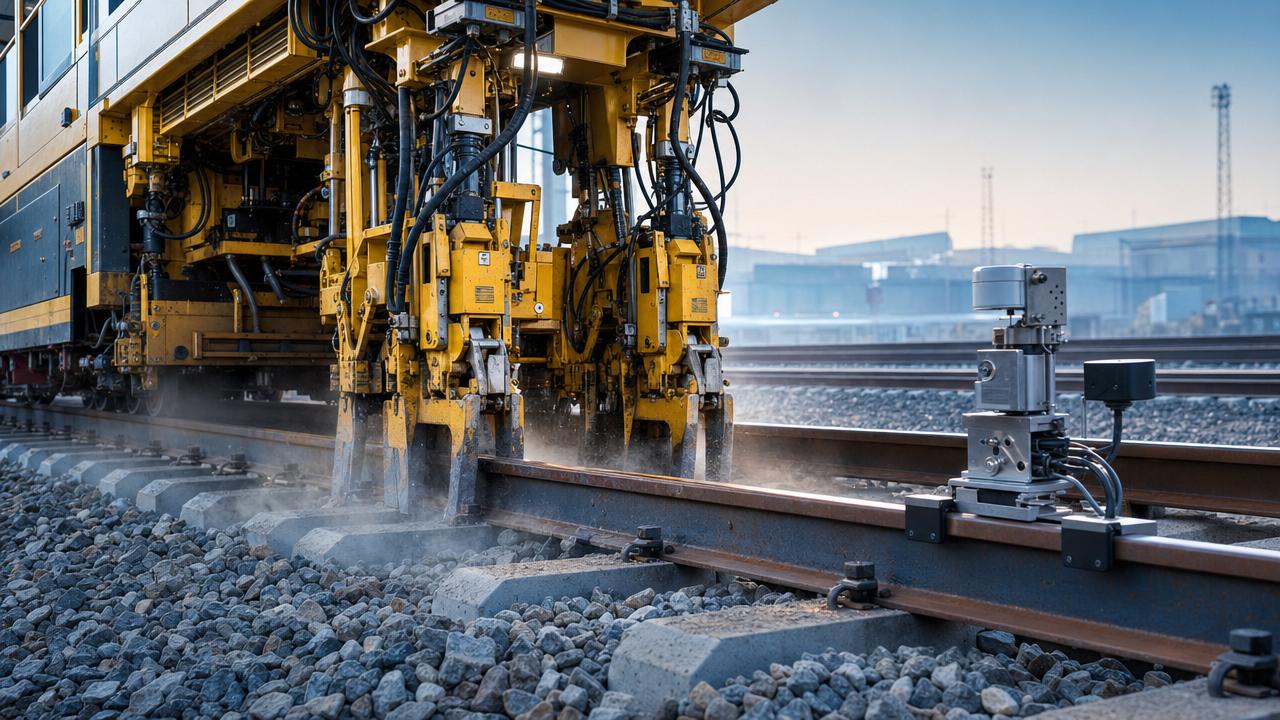
In today’s industrial equipment news, comparing modern tamping machines takes more than a quick look at speed, weight, or purchase price. Real evaluation starts with track condition, maintenance windows, output targets, and the technical standard the machine must consistently meet.
For railway asset teams working across freight corridors, ports, industrial sidings, and cross-border lines, the right choice affects geometry stability, traffic recovery time, and long-term maintenance cost. That is why industrial equipment news around tamping technology now focuses on data, automation, and lifecycle performance.
Drawing on the engineering perspective often seen across Global Railway-Freight & Engineering, this article breaks the comparison into practical decision points. The goal is simple: make it easier to judge which tamping machine fits real operating pressure, not just brochure claims.
Start with the Track Environment, Not the Catalog
Industrial equipment news often highlights flagship machines with high hourly output. That sounds good, but it can mislead if the route includes mixed sleepers, sharp curves, turnout density, or short possession windows.
A tamping machine should first match the actual maintenance environment. Mainline heavy-haul freight, urban connector lines, and terminal access tracks create very different working conditions.
Core comparison points that deserve early attention
- Check tamping accuracy under real ballast conditions, not ideal demos. Review lift, line, and level correction stability after repeated passes on loaded freight corridors.
- Compare production output by possession type. A machine that looks fast on open track may lose value when setup time is long and access windows are tight.
- Confirm sleeper and rail compatibility early. Mixed concrete and timber sections, turnout work, and varying rail profiles can limit how efficiently one platform performs.
- Review onboard measurement and recording functions. Strong industrial equipment news coverage now treats geometry data quality as important as tamping force itself.
- Look at transport and mobilization needs. Axle load, route clearance, and cross-border approval can delay deployment more than most evaluations expect.
- Assess operator workload in parallel with automation claims. Better interfaces and assisted control often improve consistent output more than headline engine power.
On a heavy-haul freight corridor, geometry retention usually matters more than top advertised output. If ballast is fouled or drainage is weak, even a premium tamping machine can underperform after handover.
That is one reason industrial equipment news has shifted toward system thinking. The machine, the ballast condition, the possession strategy, and the maintenance standard all need to align.
Compare Technical Performance in a Way That Reflects Daily Use
Once the operating environment is clear, the next step is performance comparison. The mistake here is treating every metric as equally important.
In practice, a few engineering indicators carry most of the decision weight. These determine whether the machine will hold quality over years of service, not just pass initial commissioning.
What to measure beyond headline output
- Measure correction repeatability after several maintenance cycles. Stable results over time reveal more about machine quality than one strong acceptance test result.
- Check tamping unit performance on variable ballast resistance. Consistent penetration and squeezing behavior matter when route condition changes from section to section.
- Evaluate sensor integration with alignment control. Reliable measuring systems reduce manual rework and improve confidence in maintenance records for regulated rail networks.
- Compare fuel or energy efficiency against actual production output. Lower consumption only matters when it does not reduce achievable quality under heavy-duty operation.
- Test availability of spare parts and diagnostics tools. A technically advanced machine loses value quickly if fault isolation depends on slow external support.
- Review maintainability of wear components. Faster replacement of picks, tools, and hydraulic parts can protect possession time and overall corridor productivity.
A useful rule from industrial equipment news analysis is this: if two machines produce similar output, the better option is usually the one with stronger measurement reliability, simpler maintenance access, and more predictable parts support.
Automation, Data, and Standards Are Now Central
Modern tamping machines are no longer judged only as mechanical tools. They are now part of a broader rail engineering system that includes maintenance planning, digital reporting, and corridor compliance.
This is where the G-RFE perspective becomes especially relevant. In international freight networks, hardware selection increasingly depends on whether equipment can support standardized, auditable maintenance performance.
Questions that help separate advanced systems from basic platforms
- Confirm whether geometry data can be exported into existing maintenance systems. Smooth data flow improves planning, traceability, and post-work quality review.
- Check if automation assists operator decisions or just adds interface complexity. Useful automation should reduce error, not hide weak mechanical performance.
- Verify compliance documentation in advance. Industrial equipment news often overlooks how long formal approval can take on regulated or cross-border rail corridors.
- Ask how remote diagnostics work during faults. Fast troubleshooting support can be critical when maintenance windows are short and traffic penalties are high.
- Review cybersecurity and software update procedures where digital systems are integrated. This matters more when machines connect to enterprise maintenance platforms.
A common blind spot is assuming compliance is a paperwork issue. It is not. UIC, EN, AAR, and local authority expectations can shape braking, gauging, recording, and operational approval requirements.
If that review happens too late, the machine may be technically capable yet operationally delayed. In industrial equipment news, this is one of the most expensive avoidable mistakes.
Cost Comparison Should Follow the Full Service Life
Purchase price still matters, of course. But in rail infrastructure work, a cheaper machine can become more expensive within a few maintenance cycles if downtime, fuel use, rework, or parts lead times are high.
That is why industrial equipment news now pays more attention to total service economics than initial procurement value.
Cost items that should be compared side by side
- Calculate cost per effective tamped kilometer, not just hourly operating cost. This gives a more honest picture of productivity under actual work conditions.
- Estimate downtime exposure from critical part lead times. One unavailable hydraulic or sensor component can disrupt entire maintenance programs.
- Compare training burden for operation and first-line maintenance. Simpler systems often deliver faster ramp-up and steadier performance across different crews.
- Review overhaul intervals and workshop needs. A machine with lower upfront cost may require heavier scheduled intervention much earlier than expected.
- Include resale potential and long-term fleet commonality. Standardized fleets usually lower inventory pressure and improve internal technical support efficiency.
For port-rail connectors or industrial branches, lighter utilization may support a simpler machine. On busy freight corridors, though, service continuity usually justifies a stronger platform with deeper support capability.
That tradeoff should be written down clearly during evaluation. If not, industrial equipment news headlines about “best value” can easily distort a highly specific engineering decision.
A Practical Way to Narrow the Final Choice
When the shortlist is close, the best next move is not another brochure review. It is a structured comparison using real route conditions, real standards, and real maintenance constraints.
A simple decision sequence that works in practice
- Define the dominant route type first, then score each machine against that environment. This prevents premium features from outweighing core suitability.
- Set minimum thresholds for geometry quality, compliance, and availability before comparing optional features. Eliminate weak fits early and save evaluation time.
- Request evidence from comparable railway applications, especially freight-heavy networks. Similar operating history is more useful than generic global reference lists.
- Use lifecycle cost and maintenance support as tie-breakers after technical fit is proven. Price should confirm the decision, not dominate it.
- Document known risks before approval, including ballast condition limits, staff training needs, and software support dependencies.
A well-run comparison should feel practical, not theoretical. It should show how the tamping machine will perform during night possessions, under freight pressure, and inside the reporting framework used across the network.
That is also the broader value of industrial equipment news when it is done well. It should not only describe new machinery. It should help turn technical complexity into clearer decisions.
If the next step is selection, start with route demands, verify standards early, test data capability, and compare lifecycle cost with the same discipline used for tamping quality. That approach usually leads to a more dependable final choice.
Industry Briefing
Get the top 5 industry headlines delivered to your inbox every morning.