Ballast Wagon Wholesale Mistakes That Raise Maintenance Costs

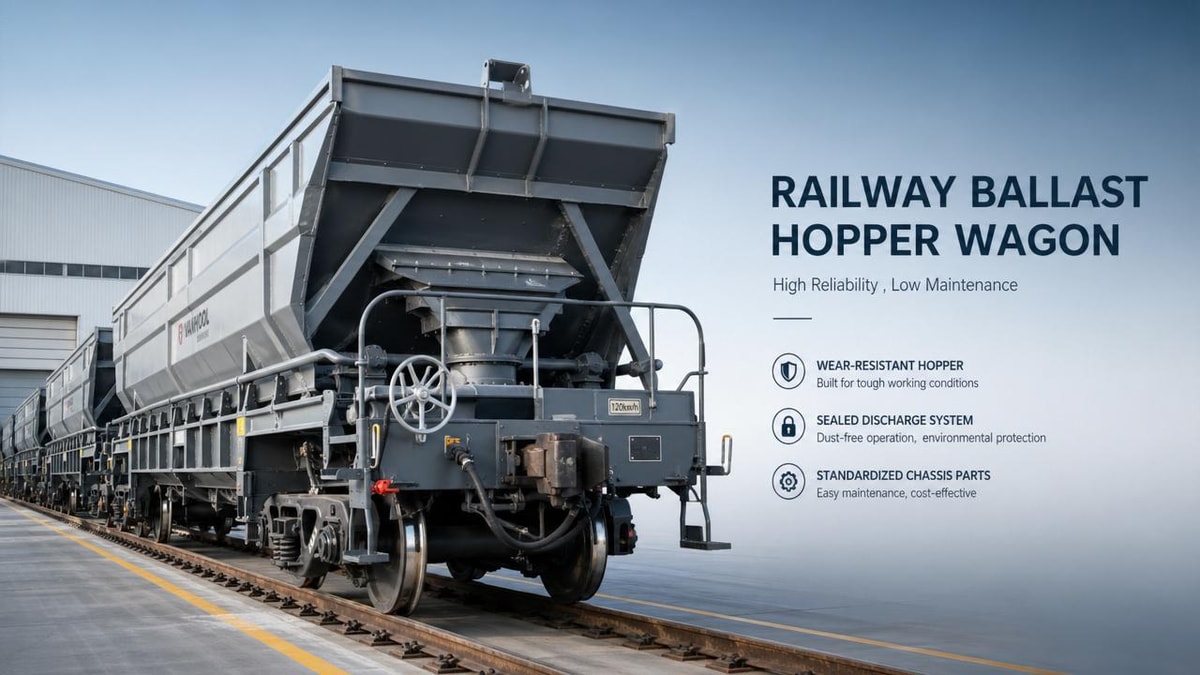
In ballast wagon wholesale, the lowest upfront price often hides the highest long-term maintenance burden. For after-sales maintenance teams, common sourcing mistakes—such as overlooking wear-resistant materials, discharge system reliability, and parts standardization—can quickly turn into frequent downtime and rising service costs. Understanding these risks early helps buyers choose wagons that support easier maintenance, longer service life, and better fleet performance.
Why ballast wagon wholesale decisions create maintenance problems later
For maintenance personnel, the real cost of a ballast wagon is rarely visible on the quotation sheet. It appears later in seized discharge doors, cracked weld zones, excessive corrosion, non-matching spare parts, and service intervals that arrive too early. In ballast wagon wholesale projects, these issues are often linked to purchasing shortcuts rather than daily operating mistakes.
This matters even more in railway-freight systems where wagons operate under abrasive loads, repeated unloading cycles, and changing climate conditions. A ballast wagon handling sharp aggregate on maintenance corridors faces impact, vibration, and contamination that punish weak structural and mechanical design. If procurement ignores these realities, after-sales teams inherit the problem.
- Low-grade wear surfaces increase repair frequency around hoppers, chutes, gates, and liner zones.
- Complex or poorly protected discharge mechanisms attract dust, moisture, and jamming.
- Non-standard bearings, seals, pins, and actuators make routine replacement slow and expensive.
- Weak documentation delays troubleshooting, inspection planning, and cross-border spare parts sourcing.
At G-RFE, ballast wagon evaluation is approached through the same engineering logic used across heavy-haul rolling stock, track maintenance assets, and intercontinental freight systems: look beyond price, compare lifecycle risks, and check alignment with accepted railway standards such as UIC, EN, and AAR where applicable.
Which ballast wagon wholesale mistakes most often raise maintenance costs?
The most expensive mistakes are usually not dramatic. They are small omissions in technical review that multiply over years of operation. For after-sales teams, the following problem areas deserve early attention during ballast wagon wholesale discussions.
1. Buying on payload alone
Payload and volume are important, but they do not show how the wagon will age. Two wagons with similar carrying capacity can perform very differently if one uses better steel grades, better anti-corrosion treatment, and more accessible discharge components. A payload-focused purchase may look efficient in the tender stage while becoming maintenance-heavy in service.
2. Ignoring discharge system maintainability
Discharge gates, cylinders, linkages, hinges, lock points, and control assemblies are high-risk maintenance zones. If the mechanism is exposed to ballast dust without adequate sealing or drainage, sticking and uneven discharge become common. Maintenance crews then spend more time freeing seized components than executing planned service.
3. Accepting poor spare parts standardization
Ballast wagon wholesale contracts often combine multiple wagons over multiple batches. If each batch contains different seal sizes, pin dimensions, brake fittings, or actuator interfaces, inventory expands and response time slows. Standardization is not a paperwork issue; it is a field maintenance advantage.
4. Overlooking access for inspection and repair
A wagon may be structurally acceptable but still expensive to maintain if routine inspection points are difficult to reach. Poor access around underframe components, brake rigging, gate linkages, or lubrication points increases labor hours and safety risk. What looks compact in design review can become inefficient in depot practice.
5. Treating corrosion protection as secondary
Ballast wagons operate in harsh outdoor environments, often with water, dust, fines, and seasonal chemicals. Thin coating systems, poor drainage details, or untreated cavities can accelerate corrosion around fasteners, hopper seams, and structural joints. Corrosion rarely stays cosmetic; it affects reliability and rebuild cost.
A practical comparison for maintenance teams evaluating ballast wagon wholesale
The table below highlights how common sourcing choices in ballast wagon wholesale influence the daily workload of after-sales maintenance teams. It is designed as a quick screening tool before technical clarification and supplier negotiation.
For after-sales departments, the right side of the table usually produces lower lifetime cost even when initial pricing is higher. In ballast wagon wholesale, a modest premium for maintainability often prevents years of emergency repairs, idle stock, and unplanned parts sourcing.
What technical points should maintenance personnel check before purchase?
Maintenance teams should be involved before contract award, not after delivery. Their field experience is essential because they understand where ballast wagons fail first. A technical checklist during ballast wagon wholesale can reduce operational surprises.
Core inspection points
- Material strategy: ask which zones use wear-resistant steel, replaceable liners, hardened pins, or reinforced corner details.
- Discharge reliability: confirm gate actuation type, contamination protection, emergency release method, and access for manual intervention.
- Parts commonality: verify whether seals, bearings, brake components, fasteners, and actuators are shared across the batch.
- Inspection access: review service clearances, lubrication points, underframe reachability, and lock mechanism visibility.
- Documentation quality: request maintenance manuals, exploded views, recommended spare lists, and preventive maintenance intervals.
G-RFE’s technical intelligence model is useful here because it does not isolate the wagon from the wider rail system. Ballast wagon wholesale should be reviewed in the context of track maintenance duty cycles, depot capabilities, local climate, rail authority expectations, and compatibility with wider freight or engineering fleets.
How to compare specifications without getting lost in sales language
Many quotations mention strength, durability, or efficient unloading, but maintenance teams need measurable selection logic. The following specification framework helps translate commercial offers into service implications.
Use this ballast wagon wholesale evaluation table to identify which technical items deserve clarification before approval.
A disciplined comparison process prevents vague promises from hiding weak engineering details. For maintenance-led procurement, the goal is not to collect the most specifications. It is to identify the few technical choices that will drive downtime, labor demand, and spare consumption across the wagon’s service life.
Where do lifecycle costs rise fastest after a poor ballast wagon wholesale decision?
Not every defect produces the same financial impact. Some raise maintenance cost slowly through repetitive labor, while others create immediate operational disruption. Understanding cost drivers helps after-sales teams argue for better specifications during procurement review.
The highest-cost maintenance consequences
- Repeated discharge failures. Each event may involve troubleshooting, manual unloading support, safety controls, and service delay.
- Accelerated wear in hopper zones. This drives welding repairs, replacement plates, and longer workshop occupancy.
- Inventory fragmentation. Different part numbers across similar wagons tie up working capital and reduce first-time repair success.
- Corrosion-related structural attention. Early coating breakdown can expand into inspection burdens, localized strengthening, or component replacement.
In mixed fleets, these costs are even harder to control. A wagon sourced only for price may appear acceptable alone, but it becomes disruptive when its maintenance needs differ from the rest of the engineering stock. Standardized service routines are a hidden asset in ballast wagon wholesale strategy.
How standards and compliance thinking reduce after-sales risk
Compliance does not eliminate maintenance problems by itself, but it improves design discipline and documentation quality. In cross-border or institutional procurement, ballast wagon wholesale decisions benefit from checking whether design assumptions, test references, material practices, and safety logic align with recognized railway frameworks.
- UIC references can support compatibility thinking for international railway operation and maintenance expectations.
- EN-aligned manufacturing and documentation practices may improve consistency in materials, fabrication, and inspection records.
- AAR-related perspectives can be useful when procurement teams compare heavy-duty freight robustness and component logic.
G-RFE’s strength is the ability to interpret these standards in a broader operational context. That means comparing the wagon not only as a product, but as part of a freight and engineering corridor where reliability, maintainability, and interoperability shape the real return on procurement decisions.
FAQ: common questions from after-sales teams in ballast wagon wholesale
How can maintenance teams influence ballast wagon wholesale before the order is fixed?
The most effective method is to join the technical clarification stage with a short but structured review list. Focus on wear areas, discharge mechanism access, spare parts commonality, coating system, and maintenance documentation. Even a one-hour engineering review can identify issues that would later consume months of service labor.
What is the biggest hidden cost in ballast wagon wholesale?
For most fleets, it is not a single component price. It is the combination of downtime, labor hours, emergency parts sourcing, and inconsistent maintenance routines. A wagon that requires frequent attention in dirty unloading conditions can cost far more than its initial price advantage suggests.
Are custom designs always a bad choice for maintenance?
Not necessarily. Custom ballast wagon wholesale solutions can be justified for unusual gauge conditions, loading practices, or infrastructure interfaces. The risk appears when customization creates unique consumables, complicated access, or undocumented mechanisms. Custom where necessary, standardize where possible.
What spare parts should buyers confirm early?
Confirm the supply logic for seals, pins, bushings, bearings, brake consumables, linkage components, gate actuators, and locking hardware. Also ask whether these are proprietary or based on commonly supportable specifications. Early confirmation avoids post-delivery dependence on long-lead replacements.
When does the cheapest ballast wagon wholesale option make sense?
Only in limited cases, such as light-duty use, low cycle frequency, simple maintenance environments, and short planned asset life. For institutional freight and engineering operations, low-price wagons often create a poor maintenance profile unless their critical wear and serviceability features are still properly engineered.
Why choose us for ballast wagon wholesale evaluation and sourcing support
G-RFE supports ballast wagon wholesale decisions with a technical and operational view rather than a price-only comparison. Our platform connects rolling stock assessment, rail infrastructure maintenance realities, and international freight corridor requirements, helping buyers and after-sales teams see where long-term maintenance cost is created.
If you are reviewing ballast wagon wholesale options, you can consult us for practical support on parameter confirmation, discharge system evaluation, spare parts standardization, maintenance documentation review, delivery schedule discussion, customization boundaries, and applicable standards references. This is especially valuable when your team needs to compare multiple offers quickly without overlooking lifecycle risk.
- Ask for help comparing wagon specifications from a maintenance-cost perspective.
- Request support in checking wear protection, discharge layout, and service access details.
- Discuss spare parts planning, batch standardization, and handover documentation requirements.
- Clarify procurement questions related to application scenarios, delivery timing, and technical alternatives.
A better ballast wagon wholesale decision starts before the purchase order is signed. When maintenance teams are part of the evaluation process, fleets gain wagons that are easier to support, safer to service, and more predictable in long-term operating cost.
Industry Briefing
Get the top 5 industry headlines delivered to your inbox every morning.